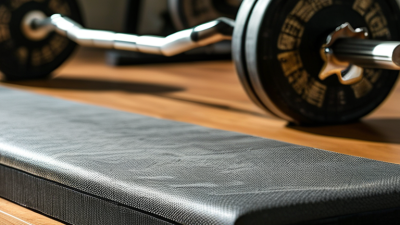
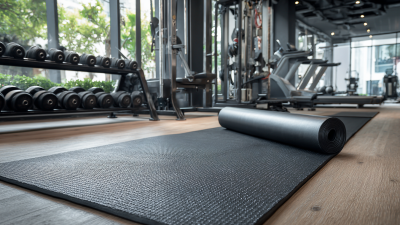
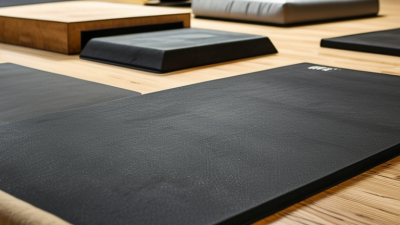
The 2026 search for the best Weight Floor Mats begins with a practical question: what must the surface protect? A home rack can drop a 20-kilogram plate onto concrete, while a busy gym may absorb hundreds of impacts daily. The right mat should reduce noise, protect flooring, improve traction, and remain stable under repeated loading. It should not promise miracles.
Participation is growing. The Sports & Fitness Industry Association reported that 242.1 million Americans took part in at least one sport or fitness activity in 2023. The Health & Fitness Association’s 2024 Global Report also recorded more than 184 million health-club members worldwide in 2023. These figures suggest a larger need for durable training surfaces, both commercially and at home. However, popularity does not make every rubber tile suitable for heavy lifting.
Material density, thickness, odor, recycled content, drainage, and edge design all deserve attention. A 15-millimeter exercise mat may suit dumbbells and mobility work, but it can fail beneath a loaded barbell. Thick vulcanized rubber or interlocking tiles usually offer stronger impact resistance. Still, thicker is not automatically better. A poorly fitted mat can shift, trap moisture, or create a trip edge beside a squat rack.
This guide compares Weight Floor Mats through product specifications, installation experience, and established flooring guidance, including ASTM and EN performance principles. It also considers home realities: upstairs neighbors, limited ventilation, uneven concrete, and the occasional missed lift. No surface is perfect. The best choice balances protection, safety, maintenance, and budget for the actual training space.
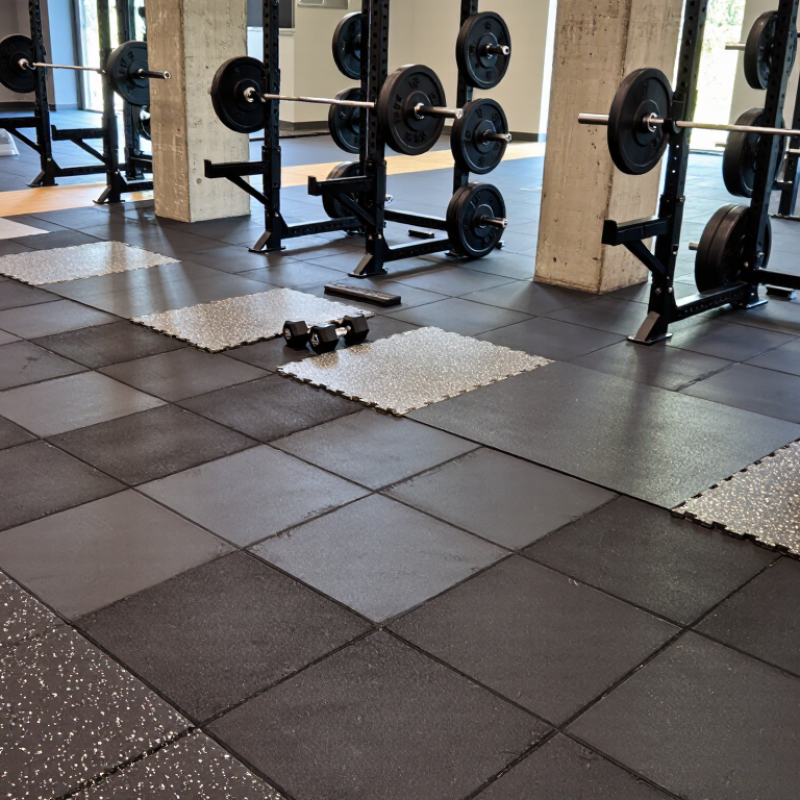
2026 Best Weight Floor Mats for Gyms and Home Use?
Weight floor mats are dense rubber, foam, or composite panels placed beneath racks, benches, and conditioning equipment. They spread concentrated loads across the floor. They also reduce noise, vibration, and damage from dropped weights. A solid mat should resist curling, absorb repeated impact, and remain stable under wet shoes. Thickness matters, but density matters more.
Demand is growing beyond commercial gyms. The Sports & Fitness Industry Association reported that 72.9 million Americans used fitness facilities in 2023. Many others trained in garages, spare rooms, and apartment areas. These spaces often have concrete, vinyl, or delicate flooring. A suitable mat creates a clearer training zone and helps protect the surface underneath. It can also make a home workout feel less temporary.
Choose based on the equipment and the floor. Heavy racks usually need dense, thick rubber. Dumbbell areas benefit from stronger impact absorption. Interlocking tiles install easily, but seams may separate under repeated movement. Rolled mats look cleaner, yet they can be difficult to flatten. I would not claim any mat prevents injury. Poor lifting technique still creates risk. ASTM International flooring guidance can inform impact testing, but household products may not carry identical certifications. Measure twice. Leave room for expansion and cleaning.
| Mat Type | Typical Thickness | Common Sizes | Best Use | Main Benefits | Important Limitations | Cleaning and Care |
|---|---|---|---|---|---|---|
| Rubber tiles | 8–30 mm | 50 × 50 cm or 100 × 100 cm | Permanent home gyms, weight rooms, and rack areas | Durable, modular, stable, and easy to replace one section at a time | Heavy tiles are difficult to move; seams may collect dust if the subfloor is uneven | Sweep or vacuum regularly; use a diluted neutral cleaner and allow the surface to dry |
| Rubber rolls | 6–19 mm | Usually 1–1.25 m wide and several metres long | Large gyms, full-room coverage, and long training lanes | Fewer seams than tiles, strong floor protection, and good equipment stability | Heavy to transport and install; may require trimming and seam management | Clean before moisture reaches the subfloor; keep edges flat and inspect seams periodically |
| Interlocking rubber tiles | 10–30 mm | Commonly 50 × 50 cm or 100 × 100 cm | DIY installations and rented homes where permanent adhesive is undesirable | Fast installation, reusable, and less likely to shift than loose square mats | Interlocking edges can separate under uneven loading or an uneven floor | Lift sections occasionally to inspect the floor below and dry any trapped moisture |
| Heavy-duty drop-zone mats | 30–50 mm | Often about 1 × 2 m or larger | Deadlift platforms, Olympic lifting, and controlled weight-dropping areas | Greater impact absorption and improved protection for concrete or other hard subfloors | More expensive, bulky, and not always necessary for light dumbbell training | Use a soft brush or vacuum; avoid harsh solvents that may damage rubber binders |
| Horse-stall-style rubber mats | 17–20 mm | Commonly about 1.2 × 1.8 m or 1.2 × 2.4 m | Budget-conscious garages, lifting platforms, and general strength training | Dense, durable, widely available, and effective for general floor protection | May have a strong rubber odour; edges can curl until fully acclimated and flattened | Ventilate during initial use; clean with mild soap and water, then dry thoroughly |
| Foam exercise mats | 6–15 mm | Often 60 × 60 cm tiles or mats around 60 × 180 cm | Stretching, yoga, body-weight workouts, and light home exercise | Lightweight, comfortable, portable, and easy to store | Can compress, tear, or shift under racks and heavy free weights; unsuitable for repeated drops | Wipe with a damp cloth and mild cleaner; keep away from sharp edges and excessive heat |
| Portable folding mats | 10–25 mm | Commonly 0.9–1.2 m wide and 1.8–2.4 m long when unfolded | Temporary workout zones, apartments, and multipurpose rooms | Easy to fold, transport, and store between workouts | Folding joints may create uneven areas; not ideal for heavy racks or high-impact drops | Wipe clean and store flat or according to the manufacturer’s folding direction |
| Carpet-top or vinyl-top gym mats | 10–25 mm | Various rectangular sizes, commonly around 1 × 2 m | Multi-purpose fitness rooms, circuit training, and low-impact equipment areas | Provides a finished appearance, moderate cushioning, and a comfortable walking surface | Usually offers less impact protection than dense rubber for dropped barbells | Vacuum or sweep the surface; clean spills promptly to prevent odours and staining |
2026 Best Weight Floor Mats for Gyms and Home Use?
Choosing a weight floor mat starts with the load, not the color. For dumbbells and moderate strength training, 8–12 mm rubber can reduce noise and protect concrete. Heavy barbell work needs more cushioning, often 15–30 mm, especially during deadlifts or dropped weights. Check the mat’s density and recovery, not only its thickness. Soft foam may feel comfortable, but it can compress under racks and become unstable.
Flooring changes the decision. Concrete needs impact control and moisture resistance. Wood and vinyl need a protective, non-staining layer underneath. Test a small section first. Some rubber surfaces release a strong odor for several days. That detail is easy to overlook. Measure your space with the rack, bench, and walking paths in place. A full platform is safer for heavy lifting, while interlocking tiles suit compact rooms. Leave enough clearance for plates and equipment movement.
Your workout style matters just as much. Choose textured, easy-clean surfaces for circuits, kettlebells, and sweaty sessions. Low-profile mats work better for mobility training and storage areas. I have learned that thicker is not always better; excessive cushioning can make balance exercises awkward. Inspect edges each month for curling, gaps, or trapped moisture. Replace damaged sections before they become a trip hazard. Real-world testing should include noise, stability, cleaning, and how the mat feels after repeated use.
For 2026, the best weight floor mats should balance durability, stability, and impact control. High-density recycled rubber remains a practical choice for home gyms and commercial training rooms. It resists compression, handles dropped dumbbells, and reduces vibration across concrete floors. Grand View Research valued the global rubber flooring market at about USD 1.5 billion in 2023. Its analysis also projected approximately 6.5% annual growth through 2030, reflecting wider demand for resilient fitness surfaces.
Material thickness matters, but thicker is not always better. A 10–15 mm rubber mat suits dumbbells, kettlebells, and moderate barbell work. Heavy Olympic lifting needs thicker tiles or layered protection. Ethylene-vinyl acetate feels softer and costs less, yet it can dent under racks.
Vulcanized rubber usually offers stronger recovery and better dimensional stability. ASTM F970 static-load testing can help evaluate permanent indentation. Look for verified test results, not vague claims. Even good rubber can slide on dusty concrete.
Tips: Clean the floor first. Leave small expansion gaps. Use interlocking edges carefully. Check the mat after several weeks.
In my experience, dense mats stay flatter when stored and installed correctly. However, odor can remain noticeable in poorly ventilated rooms. That detail is often ignored. A textured surface improves grip, but deep patterns collect chalk and dust. For a home gym, I would choose dense rubber with a sealed surface and measured thickness. Recheck screws, rack feet, and seams monthly. Small shifts can become loud, unstable problems.
2026 Best Weight Floor Mats for Gyms and Home Use?
The right mat depends on the training zone, not only the weight of the bar. The 2024 Health & Fitness Association Consumer Report recorded 72.9 million U.S. fitness-facility members in 2023. That growth increases demand for safer, quieter, and more durable flooring.
For home gyms, interlocking rubber tiles work well under racks and adjustable benches. They install easily and protect concrete from dropped dumbbells. Dense roll rubber offers fewer seams, which helps with dust and moisture. However, thin tiles may shift during sled work. I learned that the hard way.
Commercial gyms need heavy-duty vulcanized rubber rolls. They resist repeated traffic, carts, and daily cleaning better than lightweight foam. Choose textured surfaces near functional-training zones for improved traction. ASTM F2772 evaluates athletic facility surfaces, including shock absorption and vertical deformation. Ask suppliers for relevant test results, not vague “professional grade” claims.
Lifting areas require thicker rubber, often with specialized platforms beneath the bar path. These systems reduce impact noise and help limit concrete damage during heavy deadlifts. A 2023 industry report from the Health & Fitness Association showed continued expansion across fitness facilities, but usage intensity varies sharply between sites. Home users may not need commercial thickness. Commercial buyers usually regret choosing too little protection. Floor condition, ventilation, drainage, and installation quality still matter. Even an excellent mat can fail when its base remains uneven.
Installing weight floor mats starts with the surface beneath them. Remove grit, oil, and loose concrete, then let the floor dry completely. Measure twice. For rubber tiles, test the layout before joining every seam. Keep cuts away from lifting zones, such as rack feet and walking paths. Leave a small perimeter gap for expansion, especially in warm rooms. Heavy equipment can trap moisture underneath. That detail is easy to miss.
Clean mats after dusty workouts and chalk-heavy sessions. Sweep first, so grit does not act like sandpaper. Use warm water and a mild, neutral cleaner with a soft mop. Avoid solvents, petroleum products, and excessive bleach. They may weaken rubber or leave a slippery film. Wipe spills quickly. Do not flood the seams. A damp surface should dry with ventilation, not simply remain covered.
Inspect edges, corners, and areas beneath plates every few weeks. Look for curling, deep cuts, permanent dents, or separated seams. Rotate movable mats when practical to spread wear. I once ignored a small lifted edge, and repeated foot traffic made it worse. That was avoidable. Replace a section when damage reaches the subfloor, creates a trip hazard, or no longer protects against impact. Match the replacement piece by thickness and density. Color differences are common after sunlight exposure, so appearance alone is not a reliable test. Keep spare pieces stored flat, clean, and away from direct heat.
Mat thickness is one of the most important factors when selecting flooring for strength training. Thicker mats generally provide better impact protection, vibration control, and subfloor protection, while thinner mats are easier to install and move.
For light home workouts, 3/8-inch mats are commonly suitable. A 1/2-inch thickness offers a balanced option for free weights and general gym use. For frequent heavy lifting or repeated deadlifts, 3/4-inch to 1-inch mats provide greater protection against impact, noise, and floor damage.
Install mats on a clean, level surface with tightly aligned seams. Sweep or vacuum regularly, clean with mild soap and water, allow the surface to dry completely, and replace mats when they become permanently curled, cracked, excessively worn, or unable to remain flat.