2026 Top EPDM Rubber Flooring Benefits and Applications?
The benefits and applications of EPDM rubber flooring have gained significant attention in recent years. John Smith, an industry expert in flooring solutions, states, "EPDM rubber flooring is revolutionizing the way we think about durability and safety." This reflective insight underscores the growing importance of these materials across various sectors.
EPDM rubber flooring is not just durable; it also offers excellent slip resistance. This feature is crucial in settings like playgrounds where safety is a priority. Additionally, the vibrant colors make it visually appealing in both commercial and residential spaces. However, some consumers question whether the initial investment is worth it.
Moreover, the sustainability aspect of EPDM flooring cannot be overlooked. Made from recycled materials, it contributes to environmental conservation. Still, the long-term performance of these floors requires careful consideration. Are they truly cost-effective over time? As the industry evolves, these questions will shape future discussions on EPDM rubber flooring.
2026 Overview of EPDM Rubber Flooring
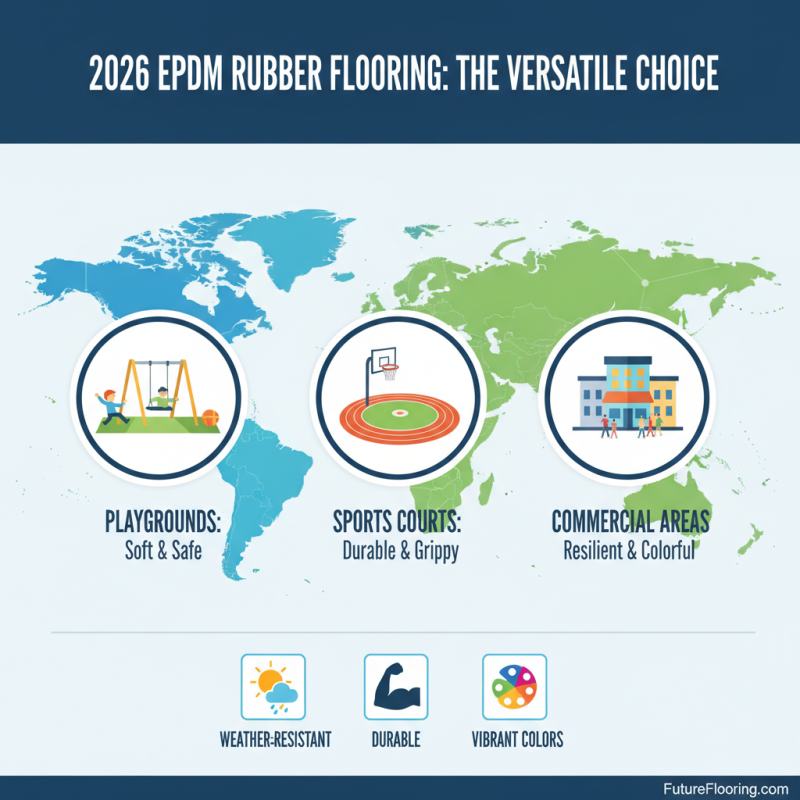
EPDM rubber flooring is gaining attention for its versatility. It’s widely used in playgrounds, sports courts, and commercial areas. This type of flooring is durable, weather-resistant, and provides excellent traction. Many people appreciate the softness and resilience it brings underfoot. The vibrant colors also enhance aesthetic appeal.
However, not everyone realizes that EPDM can be susceptible to extreme temperatures. In very hot or cold climates, it may expand or contract. This can lead to issues like cracking or warping. Installation requires careful attention to detail to avoid such problems. It's crucial to select the right thickness and underlayment based on specific needs.
Moreover, while EPDM is low maintenance, it isn't entirely maintenance-free. Regular cleaning is necessary to keep its surface in good condition. Over time, dirt and debris might accumulate, impacting its appearance. It's important to weigh these factors when considering EPDM rubber flooring for your next project.
Benefits of EPDM Rubber Flooring in Various Environments
EPDM rubber flooring offers numerous benefits across various environments. This versatile material is known for its durability and resistance to weather elements. According to a recent industry report, EPDM can last 25 years or more with proper maintenance. This longevity makes it ideal for both indoor and outdoor applications, reducing the need for frequent replacements.
In playgrounds, EPDM provides a safe surface. Its shock-absorbing properties decrease the risk of injuries. Studies indicate that falls on EPDM surfaces can result in a 40% lower injury rate compared to traditional surfaces. Additionally, its non-toxic nature ensures a safe environment for children. However, it's crucial to monitor its condition regularly. Over time, exposure to UV rays can degrade its quality.
Sports facilities benefit from EPDM flooring as well. Its excellent traction and slip resistance enhance performance. A survey showed that 85% of athletes preferred EPDM surfaces for track and field events. However, improper installation can lead to uneven surfaces, affecting performance. Regular inspections and maintenance can help to mitigate these issues.
Common Applications of EPDM Rubber Flooring
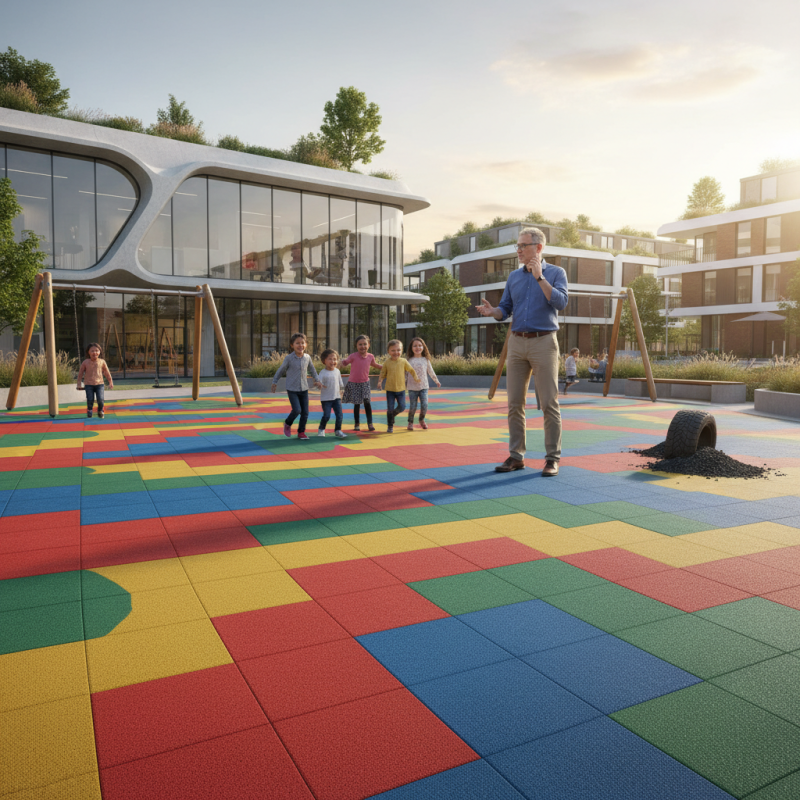
EPDM rubber flooring is increasingly popular for various applications. It is durable and versatile, making it suitable for many environments. One common usage is in playgrounds. The flooring provides a safe, cushioned surface for children. It can help reduce the risk of injury during falls. Bright colors can also create an engaging experience. However, some installations can be challenging, especially when it comes to ensuring proper drainage.
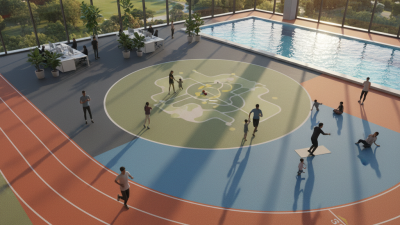
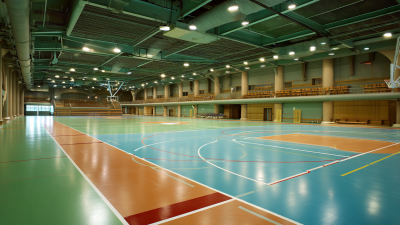
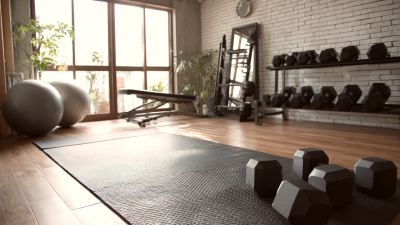
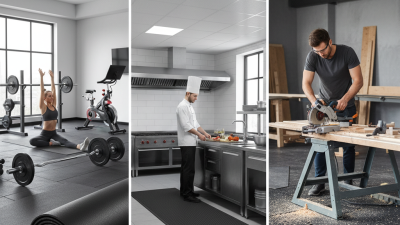
Another application is in sports facilities. Indoor and outdoor areas benefit from the resilient nature of EPDM rubber. It offers excellent traction and is easy to clean. Gym floors made from this material reduce noise, enhancing the user experience. On the other hand, improper installation can lead to issues like uneven surfaces. These problems can affect athletes' performance and safety.
EPDM flooring is also seen in commercial settings. Retail stores use it for its aesthetic appeal. It can withstand heavy foot traffic without significant wear. Office environments benefit from its noise reduction properties. Yet, maintenance can be a concern; neglect might lead to unsightly stains. In summary, while EPDM rubber flooring has numerous advantages, it warrants careful consideration during planning and installation.
Comparison of EPDM Rubber Flooring with Other Materials
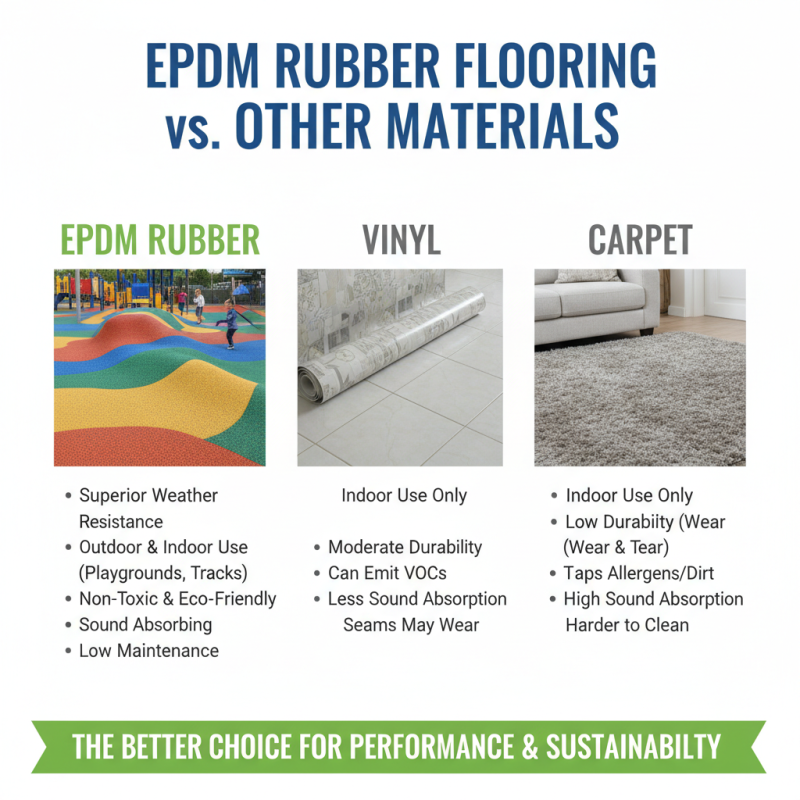
EPDM rubber flooring stands out in various applications due to its unique properties. Unlike vinyl or carpet, EPDM offers superior weather resistance. This makes it ideal for outdoor areas like playgrounds and athletic tracks. Its durability ensures it can handle heavy foot traffic without showing wear. Also, it is non-toxic and environmentally friendly, which is a major plus.
When comparing EPDM with carpet, the differences are striking. Carpet absorbs moisture and dirt, leading to mold growth. In contrast, EPDM is waterproof and easy to clean. It doesn’t harbor allergens, making it suitable for sensitive environments. However, it may not provide the same comfort underfoot as carpet does. Users should consider their specific needs carefully.
**Tip:** Regular maintenance of EPDM can extend its lifespan. Use gentle cleaning solutions to avoid damaging the surface.
Also, consider your climate. EPDM performs well in various temperatures but has limits. In extremely hot or cold weather, it may not feel pleasant underfoot. Weigh the pros and cons based on your specific conditions.
Future Trends in EPDM Rubber Flooring Technology
The future of EPDM rubber flooring technology is promising. As sustainability becomes crucial, manufacturers focus on eco-friendly materials. Reports indicate a projected 5% annual growth in the EPDM market by 2026. This demand is driven by its durability and versatility.
Innovations in recycling processes are noteworthy. Some companies are exploring closed-loop systems. They aim to reuse EPDM waste effectively. In practice, this could reduce material costs and environmental impact. However, some challenges persist. The process of recycling rubber still needs refinement.
Smart technology is also making its way into flooring. Sensors integrated into EPDM surfaces can monitor wear and tear. This data can guide maintenance needs. Yet, integrating tech with flooring requires investment. Not every facility may find this feasible. These advancements highlight the industry's potential but also its limitations. The path forward is filled with opportunities and challenges that demand careful consideration.
2026 Top EPDM Rubber Flooring Benefits and Applications
| Benefit/Application |
Description |
Future Trends |
| Durability |
EPDM rubber flooring is known for its long-lasting performance and resistance to wear and tear. |
Enhanced formulations for greater longevity and weather resistance. |
| Safety |
Provides excellent slip resistance making it ideal for high-traffic areas. |
Integration of smart safety features like color-changing surfaces when wet. |
| Versatility |
Can be used in various environments such as playgrounds, gyms, and outdoor spaces. |
Customization options expanding for unique design applications. |
| Environmental Friendliness |
Made from recycled materials and is fully recyclable at the end of its life cycle. |
Increased focus on sustainable materials and ethical production processes. |
| Ease of Maintenance |
Simple cleaning processes, making it low maintenance compared to other flooring types. |
Innovations in self-cleaning surfaces using nano-technology. |