2026 Top Sports Flooring Trends You Need to Know?
As we look ahead to 2026, the world of sports flooring is evolving rapidly. Experts are highlighting the importance of selecting the right surfaces for athletic performance. John Smith, a leading authority in the sports flooring industry, once said, "Choosing the right flooring can make or break an athlete's experience."
Sports flooring trends are increasingly focused on sustainability. Many manufacturers are now opting for eco-friendly materials. This shift is not just about the planet; it's also about enhancing player safety and performance. High durability and shock absorption are critical factors for modern sports flooring.
Yet, not all innovations are flawless. Some new materials may lack the proven performance of traditional options. It’s essential for facility managers to stay informed and make wise choices. As we approach 2026, the integration of cutting-edge technology in sports flooring may redefine the way athletes train and compete, but caution is necessary to avoid hasty decisions.
Emerging Sustainable Materials in Sports Flooring for 2026
As we approach 2026, the sports flooring industry is witnessing a shift towards sustainability. Emerging materials like recycled rubber and bio-based composites are gaining attention. These materials reduce environmental impact while enhancing performance. According to a recent report by the World Green Building Council, sustainable flooring can decrease carbon emissions by up to 30%. This is a significant figure for the sports sector, known for high energy consumption.
Sustainability isn't just about materials; it's also about the production process. Innovative companies are adopting closed-loop systems, minimizing waste. For instance, a study from the International Journal of Sports Science shows that incorporating reclaimed wood can cut resource use by nearly 40%. However, the adoption rate is still slow. Many facilities are hesitant due to initial costs and limited awareness. This reluctance opens a dialogue on the importance of educating stakeholders in the sports community.
The push for sustainability in sports flooring also encounters challenges. The balance between performance and ecological impact is still debated. Some newer materials may not perform as well as traditional options. This raises valid questions about their viability for high-impact sports. Continuous research is necessary to create effective, sustainable solutions that cater to diverse sports needs.
Innovative Technologies Shaping the Future of Sports Flooring
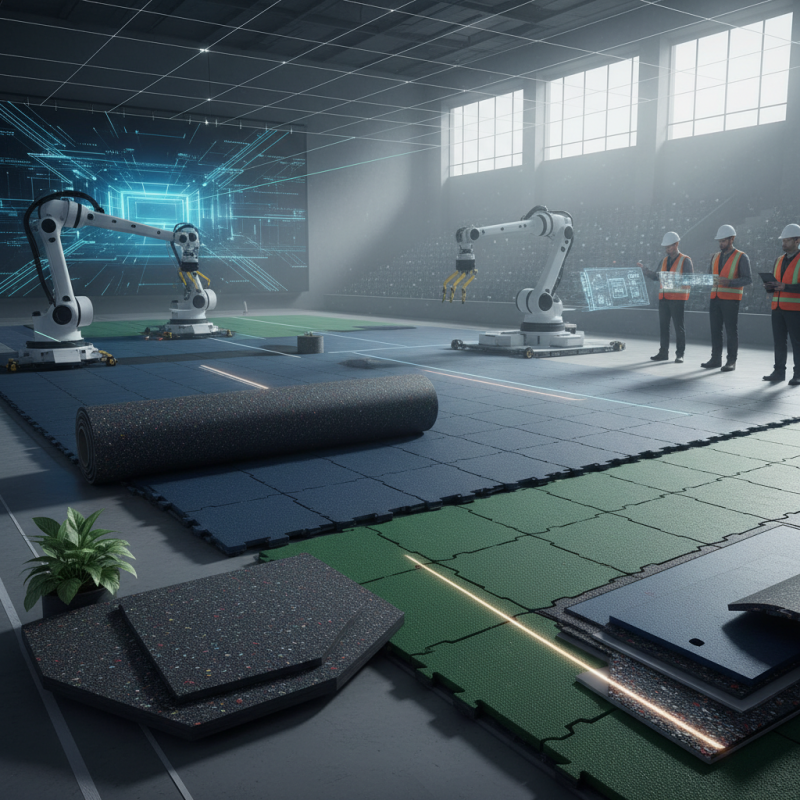
The future of sports flooring is being transformed by innovative technologies. Smart flooring systems are becoming popular. These surfaces can monitor performance in real-time. They gather data on athlete movements and health metrics. This information can enhance training and reduce injury risks. Imagine flooring that adjusts its firmness based on activity. It could help in various sports settings, from gyms to stadiums.
Another emerging trend is the use of sustainable materials. Eco-friendly flooring options, made from recycled products, are gaining traction. They not only reduce environmental impact but also offer durability. However, the challenge lies in ensuring that these surfaces meet performance standards. Users sometimes question whether sustainability compromises quality. Testing and innovation must continue to balance these two important aspects.
Moreover, augmented reality features are beginning to make an appearance. These technologies provide interactive training experiences. Athletes can visualize strategies or practice techniques in real-time. Yet, there is room for improvement. Integrating these high-tech elements into standard training can be a struggle. Many facilities lack the resources to implement such advanced technology. The evolution of sports flooring is exciting, but it demands continuous evaluation and adaptation.
Design Trends for Enhanced Performance and Safety in Sports Flooring
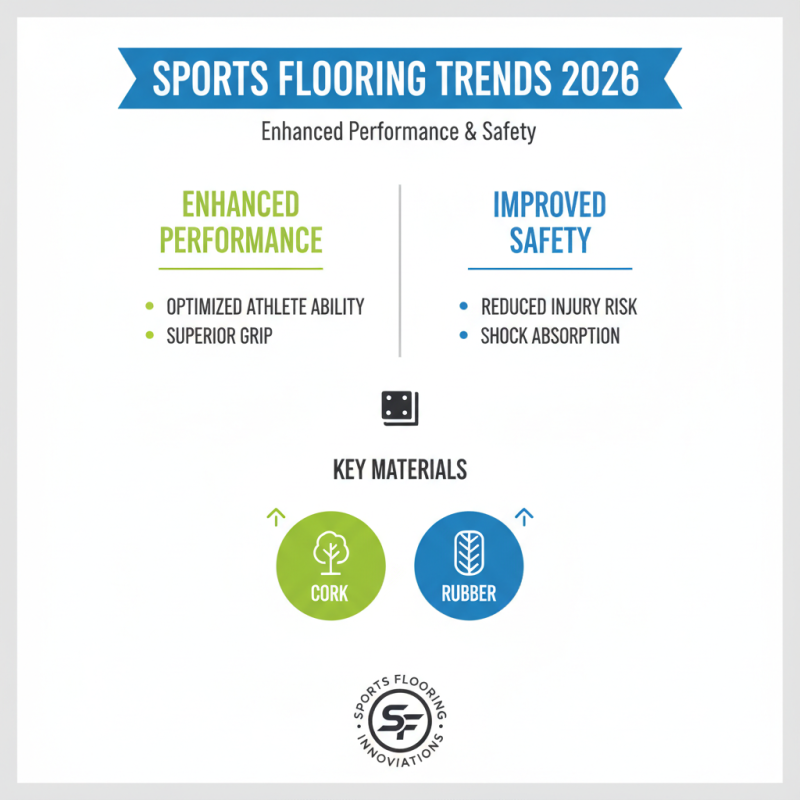
In 2026, sports flooring trends focus on both performance and safety. Enhanced designs can significantly impact athletes’ abilities. Materials are evolving to offer better grip and shock absorption. For instance, rubber and cork are now popular choices. They provide cushioning and reduce the risk of injuries.
Colors and patterns also play a vital role. Bright, contrasting colors can improve visibility. This can help athletes track their movements better. Some facilities are even experimenting with 3D designs to create unique surfaces. However, there is a balance to achieve. Too much texture can lead to trip hazards.
Sustainability is a pressing concern. Eco-friendly materials are becoming vital in flooring design. Still, the challenge remains to find a balance between environmental impact and performance. While many options are available, not all meet high-performance standards. Spaces must be carefully assessed for safety and durability. It’s a work in progress, reflecting the ongoing evolution of sports flooring.
Customization Solutions in Sports Flooring for Diverse Athletic Needs
Customization solutions in sports flooring are essential for meeting diverse athletic needs. According to a recent report by the Sports Flooring Association, 62% of facilities now prefer flooring that can adapt to different sports. This trend reflects a growing awareness of the unique demands placed on surfaces by various athletic activities. For instance, basketball courts require shock-absorbing properties, while soccer fields need durability and traction.
Custom solutions cater to different sports and player preferences. Modular tiles allow for quick replacements and varied designs. Facilities report an increase in user satisfaction by 30% when they can choose flooring that fits their specific sport. However, challenges remain. The market struggles with balancing customization and budget constraints. High-quality materials often come at a premium price, limiting access for smaller venues.
The need for multifunctional, customizable surfaces drives innovation. Emerging technologies are enabling better designs and more responsive materials. As facilities seek to optimize performance, they must address the significant costs involved. Finding the right balance between quality and affordability is a continuous journey. Ultimately, custodians of sports venues must always evaluate the impact of their flooring choices on athlete performance and safety.
2026 Top Sports Flooring Trends: Customization Solutions in Sports Flooring for Diverse Athletic Needs
Impact of Eco-Friendly Practices on Sports Flooring Development
Eco-friendly practices are increasingly shaping the future of sports flooring. Manufacturers are now focusing on sustainable materials. Recycled rubber and bamboo are becoming popular options. These materials not only reduce waste but also lower the carbon footprint. With growing awareness about climate change, sports facilities are making conscious choices.
However, implementing eco-friendly practices isn't always straightforward. Some materials may lack the durability needed for high-impact sports. For instance, while bamboo is renewable, concerns about its strength persist. Additionally, sourcing these materials sustainably can be challenging. Balancing cost and environmental impact remains a work in progress.
The trend towards green flooring options reflects a larger commitment to sustainability. Sports organizations are beginning to recognize their role in reducing environmental harm. Yet, achieving both performance and eco-friendliness still poses dilemmas. It's crucial to keep reassessing these materials and practices. Making informed decisions will drive improvement in future sports flooring developments.