Top 10 Benefits of PVC Sport Flooring for Your Facility?
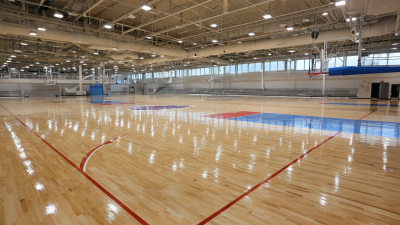
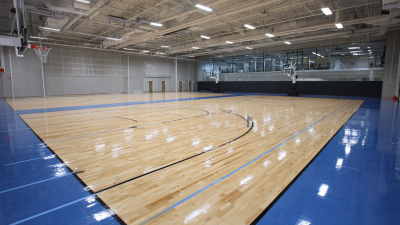
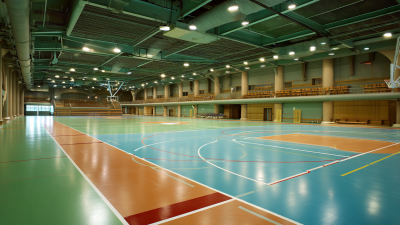
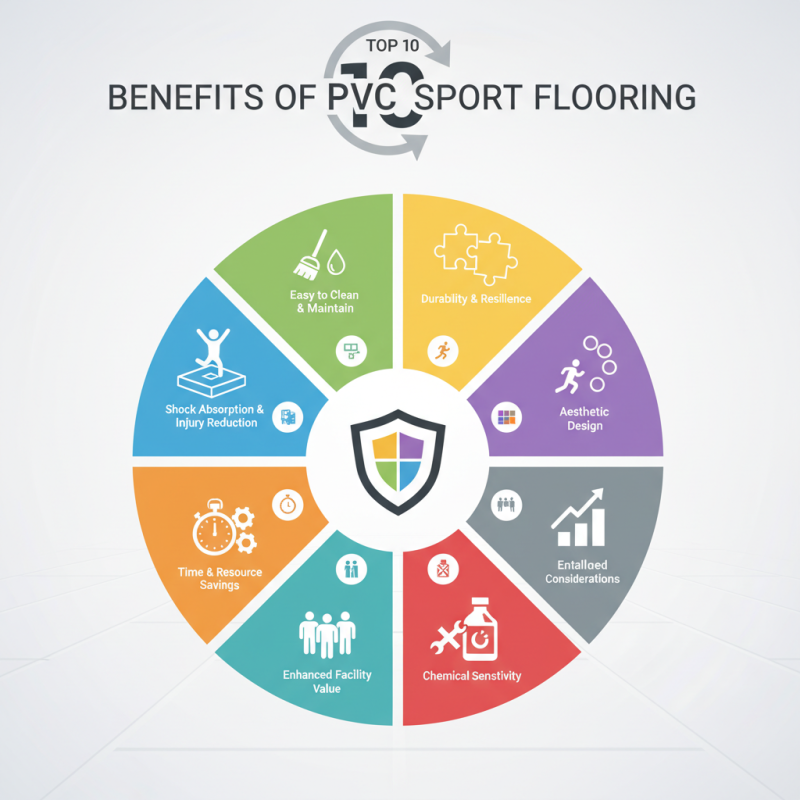
In recent years, PVC sport flooring has gained popularity in facilities worldwide. This versatile surface offers numerous advantages, making it a preferred choice for various athletic environments. Designed for performance, PVC sport flooring provides exceptional durability and resilience. Additionally, it comes in various colors and patterns, allowing for aesthetic flexibility.
One standout benefit is its shock absorption. This feature significantly reduces the risk of injury during intense physical activity. Furthermore, PVC sport flooring is easy to clean and maintain. Many facilities appreciate this factor, as it saves time and resources.
However, there are aspects that require careful consideration. Installations may not always be straightforward, leading to potential misalignment. Moreover, while PVC is durable, harsh chemicals can damage it over time. Understanding these challenges can help facility managers make informed decisions about their flooring options. Embracing the benefits of PVC sport flooring can enhance both the aesthetic and functional value of a facility, creating a welcoming environment for athletes and visitors alike.
Advantages of PVC Sport Flooring in Athletic Facilities
PVC sport flooring offers numerous advantages for athletic facilities. It provides excellent shock absorption, which reduces the risk of injuries during intense activities. This type of flooring minimizes impact on joints, helping athletes train longer and perform better. The texture of PVC flooring enhances grip, ensuring safety in fast-paced environments. Facilities can promote better performance while keeping athletes safe.
Another benefit is the ease of maintenance. PVC floors are simple to clean and resistant to stains. Facilities can maintain a clean environment without excessive effort or time. The flooring also comes in various colors and designs, allowing for personalization that reflects the facility’s identity. However, choosing the right design requires careful consideration. Some patterns might become outdated quickly.
Durability is a significant factor as well. High-quality PVC floors can withstand heavy use over time. They resist wear and tear better than other options. Still, facilities must track and monitor their condition regularly. Wear might not always be visible at first glance. In such cases, proactive maintenance is key. It can extend the life of the flooring and ensure it remains safe for all users.
Durability and Longevity of PVC Sport Flooring
PVC sport flooring is designed for durability and longevity, making it an excellent choice for sports facilities. This type of flooring can withstand heavy foot traffic and rigorous activity. It resists wear and tear, ensuring that it maintains its appearance and functionality over time. When installed correctly, PVC flooring can last for many years, reducing the frequency of costly replacements.
Many facilities overlook the importance of a durable flooring option. Regular wear can lead to costly repairs, impacting budgets. However, PVC flooring addresses these concerns effectively. Its resistance to moisture prevents mold growth, a common issue with other materials. This makes it a practical choice for gyms and indoor courts. Yet, it's crucial to ensure proper maintenance to maximize its lifespan.
Sometimes, facility managers may focus too much on aesthetics when choosing flooring. While design is important, durability should be prioritized. A beautiful floor is of little use if it wears down quickly. Choosing a resilient material like PVC can be a wise investment for long-term use, promoting overall facility safety and performance.
Impact Resistance and Safety Features of PVC Sport Flooring
PVC sport flooring offers remarkable impact resistance, making it a popular choice for various facilities. This flooring is designed to absorb shock, reducing the strain on athletes’ joints. Every jump and sprint feels softer, promoting a safer environment. These features are crucial, especially in spaces where many activities occur.
Safety is another important aspect of PVC sport flooring. Its non-slip surface prevents accidents, even when wet. This is vital in gyms where hydration is key. Additionally, the flooring often comes with built-in cushioning, further enhancing safety. It's interesting to note that while these floors are durable, they can wear down over time. Regular maintenance is necessary to ensure optimal performance.
In some facilities, the initial installation may face challenges. Uneven surfaces can lead to issues later on. It's important to assess the area prior to laying down new flooring. Overall, the benefits of impact resistance and safety in PVC sport flooring outweigh potential drawbacks, making it a worthwhile investment for any sporting facility.
Top 10 Benefits of PVC Sport Flooring
Ease of Maintenance and Cleaning for PVC Sport Flooring
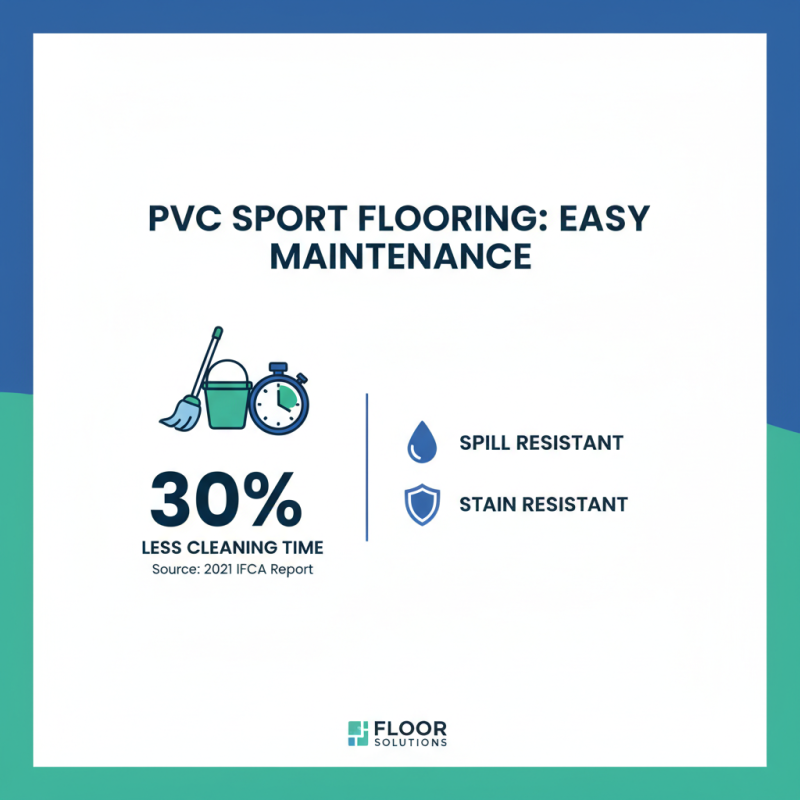
PVC sport flooring stands out for its ease of maintenance and cleaning. Facilities often choose this type of flooring due to its resilient surface. According to a 2021 report by the International Floor Covering Association, maintaining PVC floors reduces cleaning time by up to 30%. The materials resist staining and are less prone to damage from spills, making upkeep straightforward.
Regular cleaning simply involves sweeping and damp mopping. High-performance PVC floors can withstand frequent cleaning agents and do not deteriorate easily. However, some users struggle with improper cleaner choices that might affect the floor’s finish.
Dust and grime do not cling to the surface as on other types of flooring. For busy gyms, this is crucial. A clean environment enhances safety and user experience. Many facilities report happier users when the spaces remain tidy. Yet, dirt accumulation occasionally requires deeper cleaning, which can be overlooked. Regular maintenance is essential to preserve aesthetic appeal and functionality.
Cost-Effectiveness of PVC Sport Flooring Solutions
PVC sport flooring provides an effective solution for various facilities. Its cost-effectiveness is one of the main draws. According to industry reports, PVC flooring can be up to 30% cheaper than traditional wood floors. This is significant for budgets, especially in community centers and schools. Lower installation costs also contribute to overall affordability.
Maintenance is another area where PVC shines. Typical gym floors require regular sanding and refinishing. In contrast, PVC surfaces require minimal upkeep. A study by the International Association of Sports Flooring indicates that proper care for PVC can extend its lifespan to over 20 years. This reduced need for maintenance translates to long-term savings for facility managers.
However, some may question the durability of PVC compared to hardwood. While PVC is designed to withstand heavy use, it may be sensitive to extreme temperatures. This raises a consideration for facilities in varying climates. Additionally, the availability of installation services can be inconsistent. Thus, while PVC flooring presents advantages, careful evaluation of local conditions and resources is essential.
Top 10 Benefits of PVC Sport Flooring for Your Facility
| Benefit |
Description |
Cost Effectiveness |
| Durability |
Resistant to wear and tear, ensuring long-lasting use. |
Reduced replacement costs over time. |
| Easy Maintenance |
Simple to clean and maintain, saving time and labor costs. |
Lower maintenance expenses compared to other flooring types. |
| Versatility |
Suitable for various sports and activities. |
Cost-effective as one flooring can serve multiple purposes. |
| Safety |
Provides excellent traction and slip resistance. |
Reduced injury-related costs due to safer flooring. |
| Aesthetic Appeal |
Available in a variety of colors and designs. |
Potential to attract more users due to appealing looks. |
| Shock Absorption |
Helps reduce impact on joints during physical activities. |
Minimized health care costs related to joint injuries. |
| Sound Insulation |
Reduces noise for a quieter environment. |
Improved user experience leading to higher retention rates. |
| Environmental Friendliness |
Made from recyclable materials and reduces toxic emissions. |
Potential tax benefits and reduced disposal costs. |
| Installation Ease |
Quick and straightforward installation process. |
Lower installation costs and downtime. |
| Economic Value |
Offers a good balance between price and performance. |
Long-term savings and high return on investment. |