Top Benefits of Rubber Flooring Tile for Homes and Commercial Spaces?
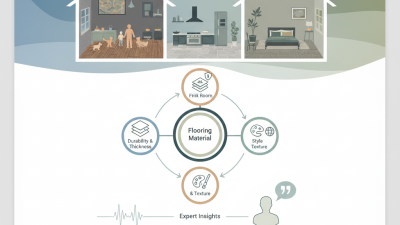
Rubber Flooring Tile has gained popularity for both homes and commercial spaces. Experts in the industry highlight its advantages. John Smith, a well-known flooring specialist, states, "Rubber Flooring Tile brings durability and comfort to any setting." His insight reflects the growing appreciation for this versatile material.
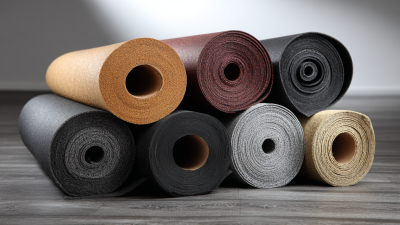
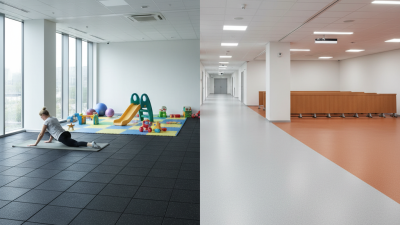
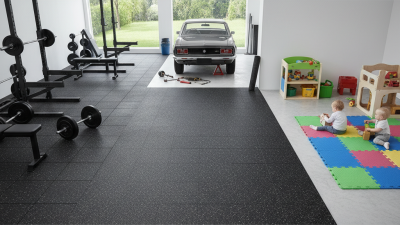
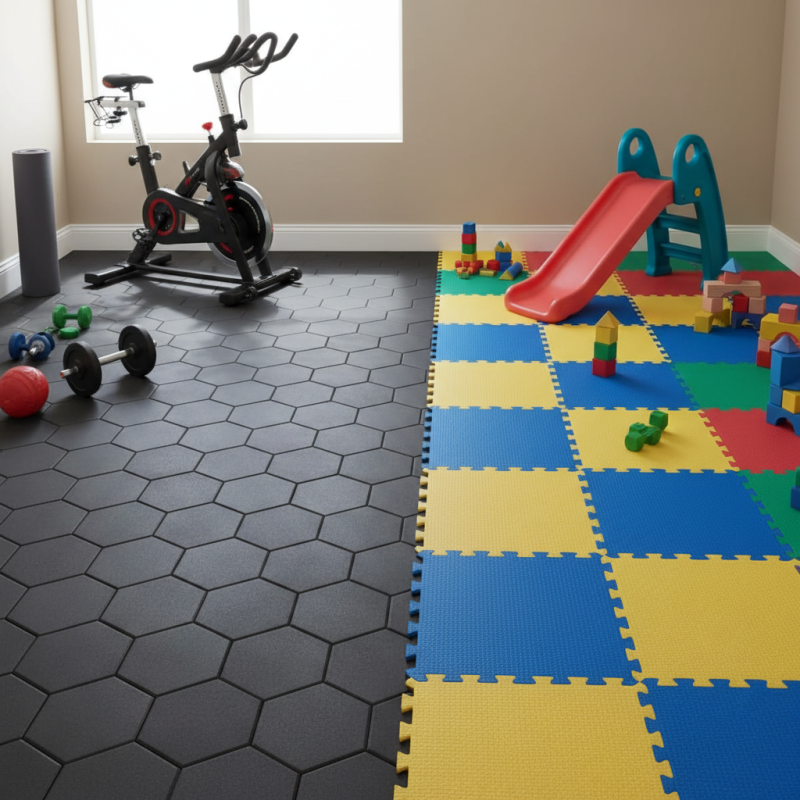
The appeal of Rubber Flooring Tile lies in its practicality and aesthetic options. It is available in various colors and patterns. This allows for personalization in any environment. Additionally, it provides excellent moisture resistance and easy maintenance. These features make it ideal for busy areas, such as gyms and children's playrooms.
However, some may question the initial cost associated with Rubber Flooring Tile. While it may seem high, the longevity makes it a wise investment. It is crucial to consider long-term benefits versus short-term expenses. Overall, Rubber Flooring Tile presents a compelling choice for enhancing spaces with both style and functionality.
Advantages of Rubber Flooring Tile for Home Environments
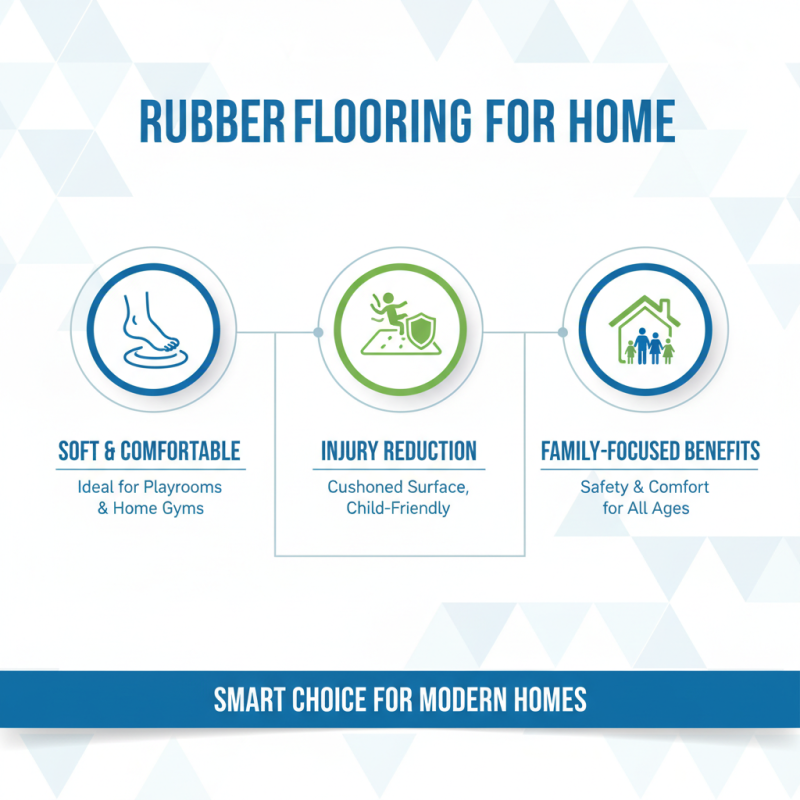
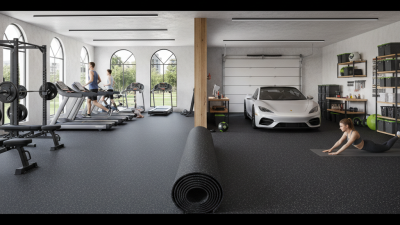
Rubber flooring tiles offer unique advantages for home environments. They are soft underfoot, providing comfort in spaces like playrooms and gyms. The cushioned surface helps reduce the risk of injuries. This is especially useful for families with young children.
Installing rubber tiles can be a DIY project. However, achieving a perfect finish may require practice. Ensure the surface is clean and dry before laying them down. Pay attention to cutting the tiles for corners and edges. Small mistakes can lead to uneven seams.
Cleaning rubber flooring is relatively simple. Just sweep or vacuum regularly to remove dust. A damp mop with mild soap works for spills. However, avoid using harsh chemicals. They may damage the surface over time. Regular maintenance keeps the tiles looking new and vibrant.
Cost-Effectiveness of Rubber Flooring Tile in Commercial Spaces
Rubber flooring tiles offer a unique blend of durability and cost-effectiveness, particularly in commercial spaces. They provide a safe, slip-resistant surface ideal for high-traffic areas. Installing rubber tiles can reduce maintenance costs over time. Unlike traditional flooring, which may require frequent repairs, rubber withstands wear and tear, saving money.
Furthermore, rubber flooring tiles are easy to install and replace. This flexibility means businesses can quickly update or repair their flooring without significant downtime. However, the initial investment can be higher compared to other materials. That said, the long-term savings often outweigh the upfront costs.
While rubber tiles are versatile, some may find them less appealing aesthetically. Color choices and patterns might be limited for specific tastes. It's essential to weigh the practical benefits against style preferences. Ultimately, rubber flooring proves to be a smart investment for those who prioritize functionality and budget in commercial settings.
Durability and Maintenance Benefits of Rubber Flooring Tiles
Rubber flooring tiles are increasingly popular in both homes and commercial spaces. Their durability makes them a top choice for areas with high foot traffic. According to industry studies, rubber flooring can last up to 25 years when properly maintained. This longevity translates into cost savings over time.
Maintenance is straightforward. Regular sweeping or vacuuming eliminates debris. For deeper cleaning, mild soap and water work wonders. A damp mop can restore its shine. Tips: always dry wet surfaces to prevent slips. Consider checking for scuff marks regularly, as they can accumulate in high-use areas. Addressing them quickly is vital for maintaining aesthetics.
While rubber floors are resilient, they can show signs of wear. Minor scratches might happen, especially in heavy-use environments. Investing in quality installation helps mitigate this issue. Using protective mats in specific zones can also prolong the life of your flooring. Tips: evaluate the flooring occasionally to catch any potential problems early. Doing this can enhance the overall lifespan and performance of your rubber flooring tiles.
Safety Features of Rubber Flooring Tile for High-Traffic Areas
Rubber flooring tiles are an excellent choice for high-traffic areas in both homes and commercial spaces. Their unique safety features make them stand out. The non-slip surface reduces the risk of falls, especially where spills may occur. This is crucial in busy environments such as kitchens, gyms, and retail stores. Each step feels secure, even when wet.
When considering installation, make sure the underlayment is appropriate. A flat surface ensures better grip. Reflect on the color and texture, as these can affect visibility. Choosing darker shades may hide dirt but can make spaces feel smaller. Lighter hues add brightness but may require more maintenance.
Tips: Regular cleaning ensures optimal performance. Use a damp mop for spills and residue. Conduct routine inspections to identify wear and tear. Address any damaged tiles promptly to maintain safety. Remember, while rubber flooring is durable, it’s not invincible. Consider life expectancy and traffic patterns in your space.
Environmental Impact and Sustainability of Rubber Flooring Options
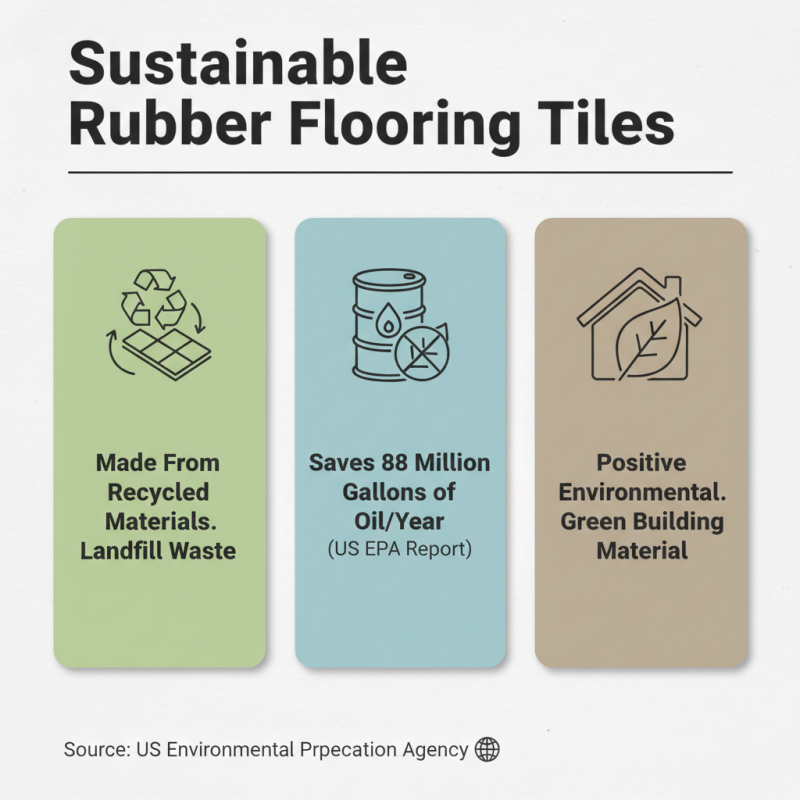
Rubber flooring tiles are increasingly valued for their sustainability. Many are made from recycled materials, reducing waste in landfills. According to a report by the U.S. Environmental Protection Agency, rubber recycling can save up to 88 million gallons of oil per year. This highlights the positive environmental impact of using rubber in building materials.
Furthermore, rubber flooring has a long lifespan, typically lasting at least 20 years. This longevity means fewer replacements, resulting in lower overall resource consumption. Industry studies suggest that durable flooring reduces the need for frequent renovations, which can contribute to environmental degradation. However, not all rubber tiles are created equal, and some may come from sources that lack sustainability credentials.
While rubber flooring is energy-efficient, extraction practices for raw materials can be concerning. Harvesting natural rubber often affects ecosystems. This raises questions about biodiversity and responsible sourcing. Consumers are encouraged to seek products with verified sustainability claims. Balancing the benefits with the environmental costs remains a crucial challenge for both manufacturers and buyers.