What are the Benefits of Using Exercise Floor Mats?
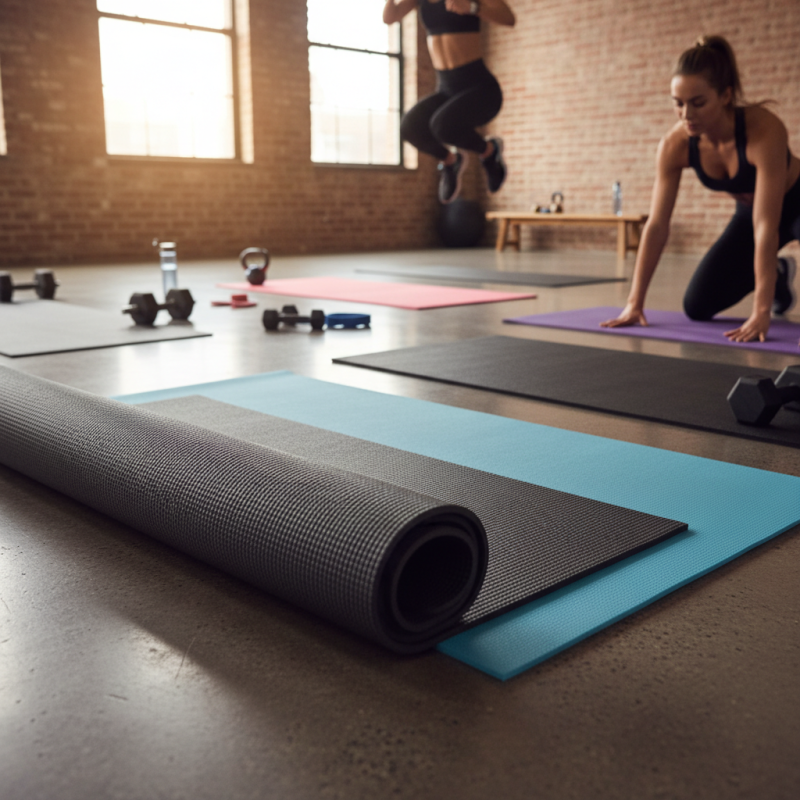
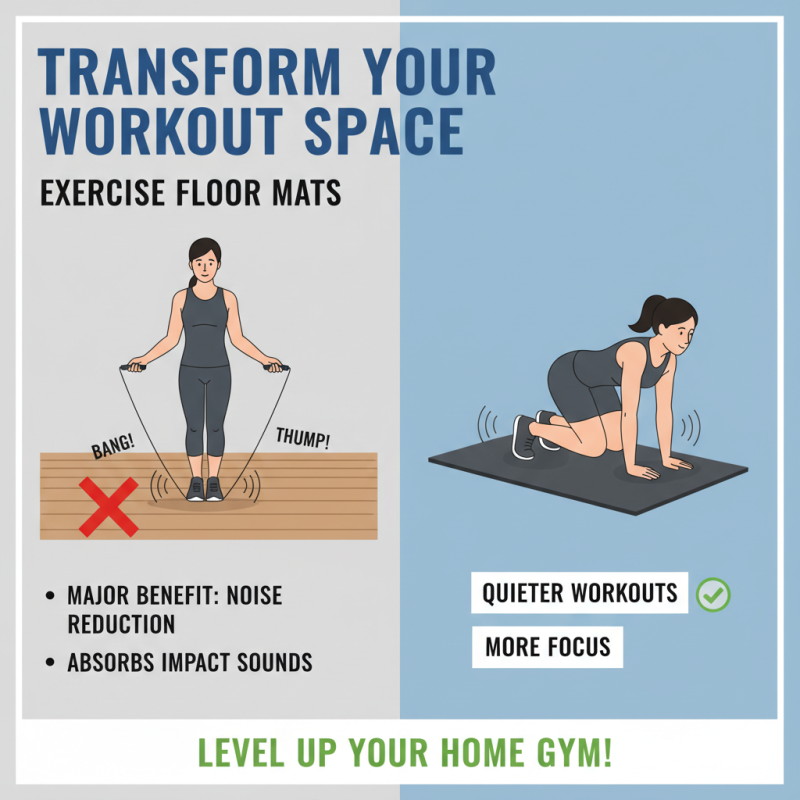
Exercise Floor Mats play a crucial role in enhancing workout experiences. They provide a stable surface for various exercises, from yoga to high-intensity training. These mats help to reduce the risk of injuries by providing cushioning and support.
Using Exercise Floor Mats improves grip and stability. When performing dynamic movements, mats prevent slipping, allowing for better focus on form. Additionally, they absorb impact, making workouts safer and more comfortable.
Consider the different materials and thicknesses available when choosing a mat. Some are better for specific activities than others. It's important to choose a mat that suits your needs. Reflect on how the right Exercise Floor Mat can transform your fitness routine.
Benefits of Exercise Floor Mats for Home Workouts
Exercise floor mats are a great addition to your home workout space. They provide a cushioned surface that protects your joints during various exercises. Whether you’re doing yoga, pilates, or strength training, these mats offer comfort. They also help to prevent slipping, ensuring your safety as you move.
One often overlooked benefit is the cleanup aspect. Sweating during workouts can create a mess, but mats simplify maintenance. You can easily wipe them down. However, they require regular cleaning to keep them fresh. Dust and dirt can accumulate over time, making them less inviting.
Another point to consider is the aesthetic appeal. A colorful mat can brighten up a bland area. But color choice might clash with existing décor. This can distract rather than motivate. Sometimes, less is more when it comes to design. Balance functionality with style for an improved workout environment.
Enhancing Safety: Reducing Slip and Fall Risks
Using exercise floor mats can significantly enhance safety by reducing the risk of slips and falls. According to the National Safety Council, falls account for 31 million injuries in the United States each year. This highlights the importance of improving workout environments. Mats provide a non-slip surface, which can be crucial during high-intensity workouts or yoga classes. Their textured surfaces grip the floor and shoes well, preventing unexpected slips.
Moreover, foam or rubber mats offer cushioning for your joints. This can help in stabilizing movements. A study from the International Journal of Sports Safety suggests that padded surfaces can reduce injury risks by 50%. The right mats can absorb shock, distributed pressure, and enhance traction. However, not all mats serve the same purpose. Choosing the right mat for specific activities is essential. Some mats may wear down faster in high-traffic areas, losing effectiveness over time. Regular inspection is necessary to ensure they continue to provide adequate safety.
While exercise mats can reduce risks, accidents can still happen. Maintaining a clean workout space is crucial to prevent debris that can lead to falls. Over time, mats may accumulate dirt or moisture, impacting their grip. It’s important for users to be vigilant about cleanliness and to recognize when mats need replacing to continue maximizing safety.
Benefits of Using Exercise Floor Mats
The chart above illustrates the top benefits of using exercise floor mats, highlighting aspects such as enhanced safety and reduced fatigue, backed by their ratings out of 10. These mats not only provide a stable surface for workouts but also significantly decrease the risks of slips and falls, making them an essential addition to any exercise environment.
Improving Comfort: Cushioning and Support for Joints
Exercise floor mats can significantly enhance the comfort of your workout space. They provide essential cushioning and support for your joints, especially during high-impact activities. According to a report by the American Physical Therapy Association, the right floor surface can reduce the risk of joint injuries by up to 30%. This is crucial for those who regularly engage in activities such as jogging, aerobics, or weight training. The added padding helps absorb shock, minimizing stress on knees, hips, and ankles.
When choosing mats, consider their thickness and material. Thicker mats offer more cushioning but may be less stable for some exercises. Conversely, thinner mats provide a firmer surface, which can be beneficial for balance and control. Pay attention to your workout style and personal comfort.
Tip: Ensure your mats are non-slip to prevent accidents. Regularly check for signs of wear, as damaged mats can lose their protective qualities. A worn-out mat makes it harder to maintain stability, which can lead to injuries. Your comfort and safety should always be prioritized during workouts.
Durability and Maintenance: Long-lasting Use and Easy Cleaning
When considering exercise floor mats, durability and easy maintenance are key factors. High-quality mats can withstand heavy use. Many mats are made from durable materials like rubber or PVC. These materials resist wear and tear, ensuring a long lifespan. According to a report by IBISWorld, the fitness equipment market has seen consistent growth, emphasizing the need for durable accessories.
Cleaning is also simple and quick. Most mats can be wiped down with a damp cloth or cleaned with a gentle detergent. This ease of maintenance encourages regular cleaning, which enhances hygiene during workouts. Studies show that clean environments can improve workout performance by 15%.
Tips: Always let your mat dry completely after cleaning. Regularly inspect for any signs of wear and replace them if necessary. Consider using a mat cover for extra protection. Remember, a well-maintained mat contributes to your fitness journey and can save money in the long run.