What are the Benefits of Using Vinyl Floor Tiles?
Vinyl Floor Tiles have become increasingly popular in recent years. According to a study by Allied Market Research, the global vinyl flooring market is projected to reach $21 billion by 2027. This growth reflects the rising demand for versatile and durable flooring solutions.
Industry expert John Smith, a renowned flooring consultant, states, “Vinyl Floor Tiles offer unmatched resilience and style.” Homeowners appreciate their ease of installation and maintenance. These tiles mimic the look of natural materials like wood and stone, which makes them visually appealing.
However, not all vinyl products are created equal. Some may contain harmful chemicals, raising concerns about health. Buyers should weigh these aspects carefully. Despite that, the cost-effectiveness and durability of Vinyl Floor Tiles make them a solid choice for many. As you consider your options, remember to look for high-quality brands to ensure a worthy investment.
Benefits of Vinyl Floor Tiles: Overview of Features and Advantages
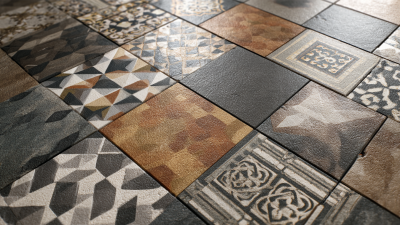
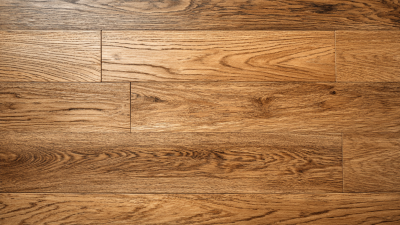
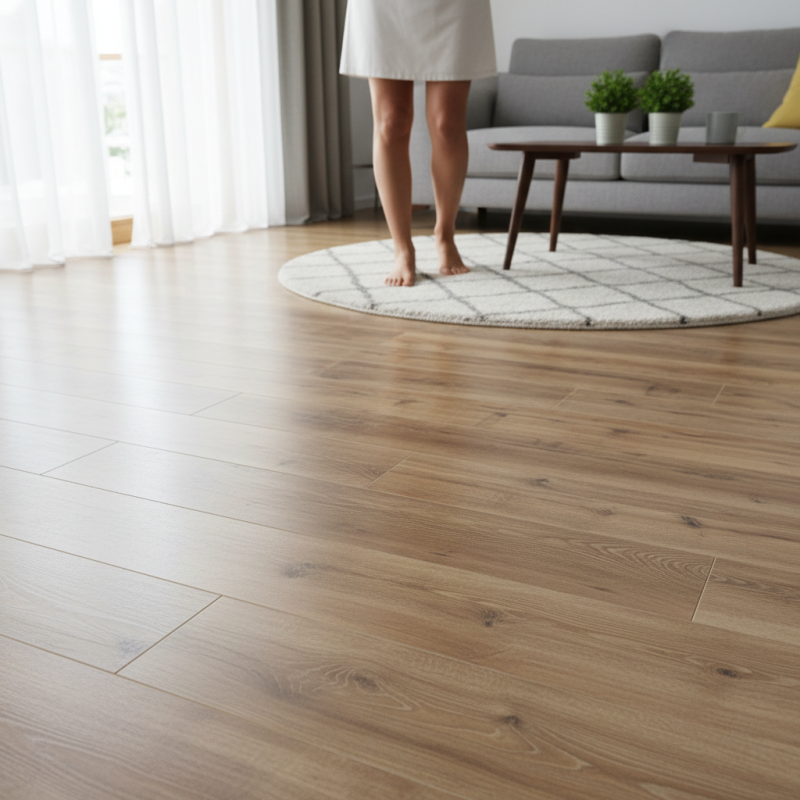
Vinyl floor tiles offer a blend of beauty and functionality. They come in various styles, mimicking natural materials like wood or stone. This variety allows homeowners to achieve their desired look without the hefty price tag. The texture and patterns available make each installation unique and appealing.
One of the standout features of vinyl tiles is their durability. They resist scratches and stains, making them ideal for busy households. The ease of cleaning is another plus. A simple sweep and occasional mop can keep them looking fresh. However, some people might find they can dent or warp if subjected to heavy furniture without proper underlayment.
Vinyl tiles are also waterproof, making them suitable for areas prone to moisture. Think kitchens and bathrooms. They are comfortable underfoot, unlike cold ceramic tiles. But it's important to note that prolonged exposure to sun can fade colors. It's worth considering how light affects your choice. Balancing beauty with practicality is key.
Durability and Longevity: How Vinyl Tiles Stand the Test of Time
Vinyl floor tiles have gained popularity due to their impressive durability. They can withstand heavy foot traffic, making them ideal for busy households or commercial settings. Unlike hardwood or ceramic tiles, vinyl does not crack or chip easily. Its flexibility allows it to adapt to temperature changes without damage. These features ensure it remains an attractive choice for many.
Longevity is a key benefit of vinyl tiles. When properly maintained, they can last for over a decade. Regular cleaning and occasional resealing help retain their appearance. However, one might notice wear in high-traffic areas. This can be a cause for concern. Still, replacing a few tiles is far easier than refinishing hardwood. Some homeowners might overlook this, thinking maintenance is unnecessary.
The aesthetic appeal of vinyl is worth mentioning too. It comes in various designs, mimicking natural materials. Yet, some may find it less authentic compared to real wood or stone. It's a balance between practicality and beauty. While vinyl floor tiles may not be perfect, their durability and longevity make them a smart option for many living spaces.
Cost-Effectiveness: Comparing Vinyl Tiles to Other Flooring Options
Vinyl floor tiles offer significant cost-effectiveness compared to many traditional flooring options. While hardwood can range from $8 to $15 per square foot, vinyl tiles generally cost between $2 to $5 per square foot. This makes vinyl an attractive option for budget-conscious homeowners or businesses. According to a report from the National Association of Home Builders, installation costs for vinyl flooring are typically lower as well, often due to simpler installation processes.
Durability is another important aspect. Vinyl flooring is resistant to scratches, stains, and moisture, making it ideal for high-traffic areas. A study by the Resilient Floor Covering Institute shows that vinyl tiles can last 15 to 25 years with proper care. This lifespan significantly reduces the frequency of replacement and repairs. However, some may question the long-term environmental impact of vinyl, creating a need for ongoing discussions about eco-friendly alternatives.
While vinyl tiles present a viable economic option, it’s crucial to consider your specific aesthetic goals and location. They may not suit every style, as some people prefer the authenticity of natural materials. Reflecting on these aspects is necessary to choose the best possible flooring for your needs.
Easy Installation and Maintenance: A Practical Choice for Homeowners
Vinyl floor tiles offer homeowners an incredibly practical choice, particularly due to their easy installation and maintenance. Many DIY enthusiasts appreciate how simple it is to lay down these tiles. With just a few basic tools, anyone can create a stunning floor in less time than expected. However, while the installation process might seem straightforward, there are small details that can be overlooked. Taking time to measure accurately is crucial. A wrong cut can lead to wasted material and extra costs.
Maintaining vinyl tiles is equally uncomplicated. Regular sweeping and occasional mopping will keep them looking fresh. Additionally, they resist moisture well, making them perfect for kitchens and bathrooms. Still, some homeowners may neglect deep cleaning. Over time, grime can accumulate in grout lines. Addressing this can help prolong the tiles' lifespan and maintain their beauty.
Tip: When cleaning, use a gentle cleaner that won’t damage the floor. Avoid harsh chemicals. Another tip is to place mats at entrances. They can help reduce the amount of dirt brought into your home. Small changes can yield big results in keeping your vinyl floors pristine.
Benefits of Using Vinyl Floor Tiles
This chart illustrates the benefits of using vinyl floor tiles, scoring their features such as easy installation, low maintenance, variety of designs, water resistance, and cost-effectiveness. Each benefit is rated on a scale from 1 to 10, showcasing the practicality of vinyl flooring for homeowners.
Design Versatility: Exploring Aesthetic Options with Vinyl Flooring
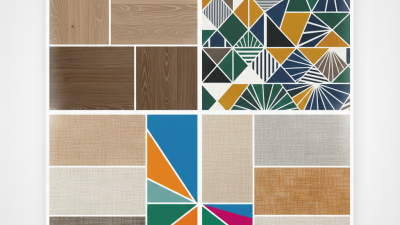
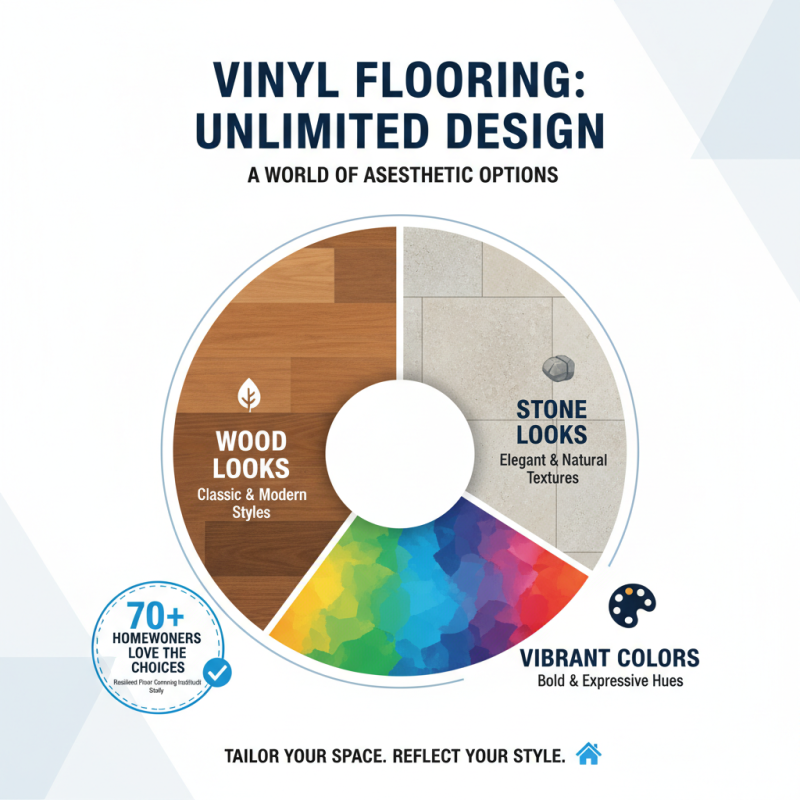
Vinyl flooring offers remarkable design versatility, making it a popular choice for many homeowners. According to a recent study by the Resilient Floor Covering Institute, over 70% of homeowners appreciate the aesthetic options available with vinyl. From wood and stone looks to vibrant colors, the choices are virtually limitless. This variety allows homeowners to tailor their spaces to match personal style and preferences.
The texture and finish of vinyl tiles can greatly influence a room's ambiance. Textured vinyl can mimic real hardwood or natural stone, adding depth to spaces. However, some might find that cheaper vinyl options can look less convincing. It’s essential to consider both aesthetics and quality. Selecting a higher-end product can prevent disappointment in the long run.
Moreover, vinyl tiles can be installed in unique patterns. Herringbone or checkerboard layouts offer a creative twist. This flexibility is not without challenges, though. Creative designs may require advanced skills to install properly. Mistakes can be costly and may diminish the visual impact. Engaging a professional could be worth the investment for a stunning finish.