Best Barbell Mats Tips for Home Gym Buyers?
Creating a home gym requires thoughtful planning. One of the key components you should consider is investing in high-quality Barbell Mats. These mats provide essential protection for your flooring and equipment. They also enhance safety during workouts.
Choosing the right Barbell Mats can be challenging. There are various materials, sizes, and thicknesses available in the market. You may be tempted to pick the cheapest option, but this may lead to future regrets. A poor-quality mat can wear down quickly. This can cause damage to your floors and compromise safety.
Barbell Mats provide many benefits. They reduce noise, protect surfaces, and give you stability during lifts. The right mat can enhance your overall workout experience. However, you must evaluate your specific needs before making a purchase. Reflect on your workout routine, the space available in your home, and your budget. Making informed choices will ensure your home gym is both functional and safe.

Factors to Consider When Choosing Barbell Mats for Home Gyms
Choosing the right barbell mat for your home gym involves several factors. Durability is essential. Mats must withstand heavy weights and daily wear. Look for materials like rubber, which can absorb shock and resist damage. According to industry reports, about 70% of home gym enthusiasts prioritize durability in their equipment choices.
Size matters too. A mat should fit your workout area while providing enough space for lifting. Standard mats range from 4x6 feet to larger options. A recent study stated that 55%% of exercisers noted significant improvements in their routines when using appropriate-sized mats. Additionally, consider the mat's thickness. Thicker mats offer better shock absorption, which can prevent injuries. Yet, too much thickness may cause instability.
Consider these tips: Check reviews on mat performance. Look for user feedback regarding wear over time. Visualize the layout of your gym to ensure optimal space. Experiment with different sizes before making a decision. Don't just focus on appearance; prioritize functionality for your workouts. An informed choice will enhance your training experience.
Recommended Thickness and Material Types for Optimal Performance
Choosing the right barbell mat is crucial for a home gym. The thickness and material directly affect performance and safety. A commonly recommended thickness is around 3/8 inch to 1/2 inch. This range provides a solid base for lifting without compromising stability. A mat that’s too thin may not absorb shock effectively, which can lead to injuries.
In terms of materials, rubber is often favored for its durability and shock-absorbing properties. According to a report by the American Council on Exercise, rubber mats reduce noise and protect flooring from damage. This is especially important for heavy lifts. Some users, however, find that certain rubber mats emit strong odors or wear unevenly over time. It’s essential to read reviews and consider personal experiences when making a choice.
Foam mats are also an option. They are lighter and often less expensive, but they may not support heavy weights as effectively. When purchasing, it’s wise to evaluate the intended use. For heavy lifters, durability and thickness will take priority. For lighter workouts, thinner foam mats may suffice. Balancing these aspects will lead to a better workout experience and ultimately safer lifting conditions.
Best Barbell Mats Tips for Home Gym Buyers
This chart showcases key factors to consider when buying barbell mats for home gyms. The thickness of mats (10 mm) often provides optimal cushioning, while material types (3 types reduce slippage) and durability (average of 5 years) play a significant role in effectiveness. Average price per square foot is around $2.50.
Noise Reduction and Vibration Control: Importance in Home Gyms
When setting up a home gym, noise reduction and vibration control are crucial. Not only do these factors enhance your workout experience, but they also protect your home environment. According to a report by the Acoustical Society of America, sound levels generated by weights can reach over 85 decibels during intense workouts. Prolonged exposure to such noise can lead to hearing damage and increased stress.
Barbell mats are essential for mitigating this issue. A good quality mat can reduce noise by 30% or more, according to a study by the International Journal of Environmental Research and Public Health. This significant reduction makes your workouts quieter, benefiting both you and your neighbors. Additionally, the mats absorb vibrations that can travel through flooring, protecting your home from potential structural damage.
However, not all mats are created equal. Thinner mats might not provide enough cushioning, leading to discomfort during heavy lifts. This discomfort can discourage regular training, which may impede your fitness goals. Users often report that selecting an adequate mat involves trial and error, and finding the right balance takes time. Remember, investing in a good mat enhances both your workout experience and the longevity of your home gym setup.
Best Barbell Mats Tips for Home Gym Buyers? - Noise Reduction and Vibration Control: Importance in Home Gyms
| Feature |
Description |
Importance in Home Gym |
| Material |
Common materials include rubber, foam, and vinyl. |
Affects durability, noise reduction, and comfort during workouts. |
| Thickness |
Typical thickness ranges from 3mm to 20mm. |
Higher thickness can enhance vibration absorption and comfort. |
| Weight Capacity |
Involves the maximum load the mat can withstand without damage. |
Important for heavy lifters to prevent mat degradation and injuries. |
| Anti-Slip Surface |
Designed with textures to prevent slippage during workouts. |
Vital for safety during dynamic movements and heavy lifting. |
| Noise Reduction |
Absorbs sound produced by weights dropping or equipment movement. |
Reduces disturbance to others in the household or neighbors. |
| Portability |
Some mats are designed to be lightweight and easy to move. |
Convenient for those who need to frequently change workout spaces. |
Understanding Slip Resistance: Safety Features of Barbell Mats
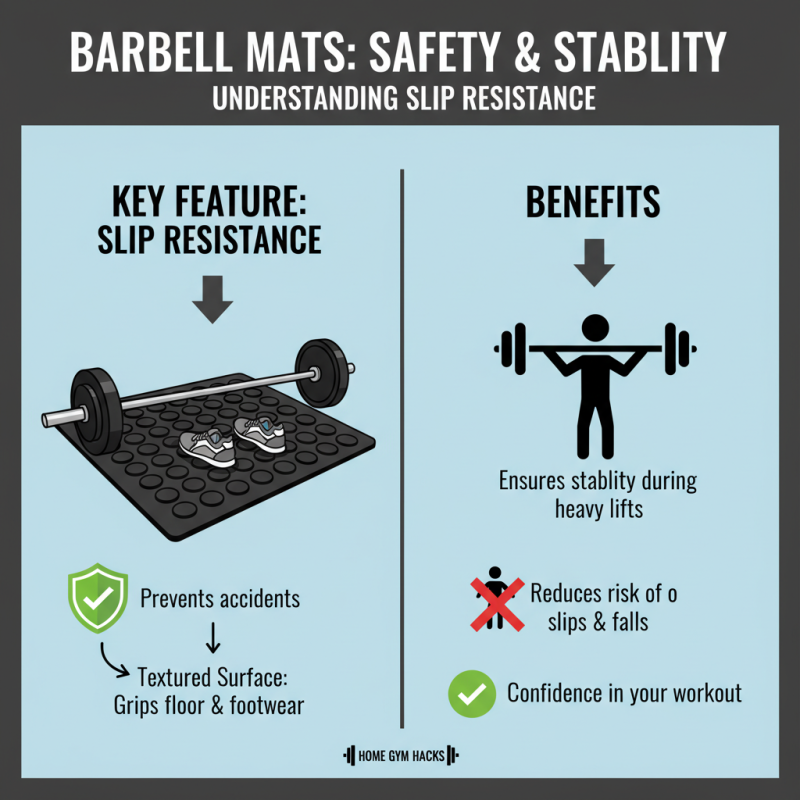
When setting up a home gym, safety should be a top priority. One key feature to look for in barbell mats is slip resistance. Mats with high slip resistance help prevent accidents during workouts. These mats often have textured surfaces that grip the floor and your footwear, ensuring stability even when lifting heavy weights.
The material of the mat plays a crucial role in slip resistance. Rubber mats are popular for their durability and traction. However, not all rubber is equal; some may wear down easily, losing grip over time. It's essential to choose a mat that maintains its slip-resistant properties even after extended use. Consider mats that feature a combination of rubber and other materials. This can enhance grip without compromising durability.
Another aspect to reflect on is the size of the mat. A mat that is too small may not provide adequate coverage for your lifting area, increasing slip risks. Conversely, an oversized mat may create tripping hazards. Finding the right balance is vital. Measuring your workout space in advance can help ensure your barbell mat offers both comfort and safety during intense sessions.
Maintenance Tips for Prolonging the Lifespan of Barbell Mats
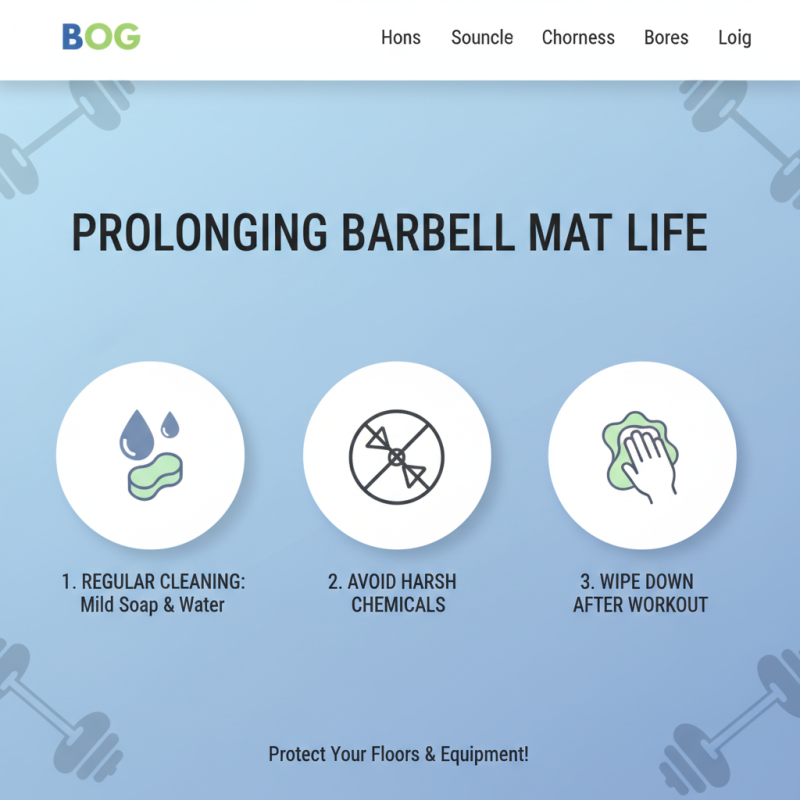
Barbell mats are essential for protecting your floors and equipment. To prolong their lifespan, regular maintenance is crucial. Start by cleaning the mats frequently. Use mild soap and water for this task. Avoid harsh chemicals as they can damage the surface. A simple approach is to wipe them down after each workout with a damp cloth.
Another important tip involves preventing moisture buildup. Mats that stay damp can develop mold. Always dry the mats completely after use, especially if you sweat a lot during workouts. For deeper cleans, consider using a nozzle attachment on your vacuum. This removes dirt and debris, ensuring a clean workout space.
Finally, store your mats properly. Rolling them tightly and keeping them away from direct sunlight can prevent wear and tear. Over time, even with care, mats may show signs of use. Don't hesitate to give them a thorough inspection regularly. Reflect on how you use your mats. Routine checks can help you catch small issues before they become bigger problems.