Best Corrugated Rubber Mat for Durability and Safety Tips?
When it comes to workplace safety and durability, a quality Corrugated Rubber Mat is essential. These mats provide excellent traction and stability, reducing the risk of slips and falls. They are commonly used in various environments, including industrial settings, kitchens, and entryways, to improve safety.
Selecting the best Corrugated Rubber Mat involves considering several factors. Material quality, thickness, and surface texture play significant roles in durability. A well-designed mat can endure heavy foot traffic while remaining functional over time. However, not all products on the market meet these standards. Users often overlook the importance of these features, which can affect overall safety and satisfaction.
In addition to durability, maintenance is crucial for long-lasting performance. Regular cleaning helps prevent dirt buildup, ensuring the mat retains its effectiveness. Some users might find it challenging to keep mats clean and well-maintained. Addressing such concerns can enhance the user experience and maximize safety. A thoughtful choice of a Corrugated Rubber Mat can significantly influence both comfort and security in any space.
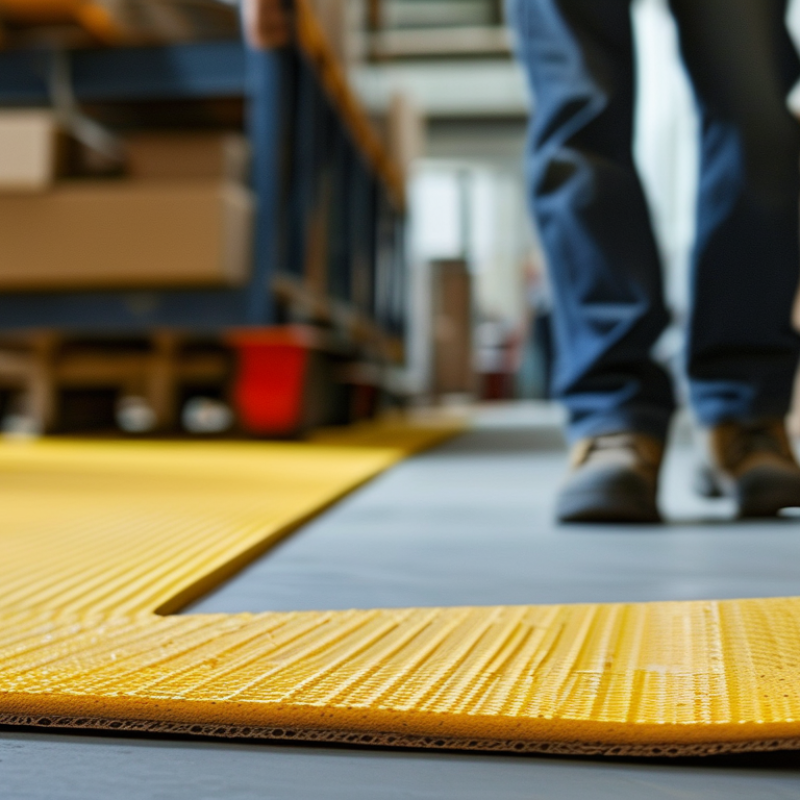
Choosing the Right Corrugated Rubber Mat for Your Needs
When selecting a corrugated rubber mat, consider your environment. Different settings require different mat types. For example, rubber mats used in outdoor areas should resist harsh weather conditions. Indoor mats may focus more on comfort and slip resistance. Assessing the intended use can guide your choice.
Durability is crucial. Look for mats that withstand heavy foot traffic and resist wear over time. The thickness of the mat can influence its lifespan. A thicker mat often provides better performance and comfort. Pay attention to the texture as well. This can enhance safety by reducing slips and falls in busy areas.
Maintenance is another aspect to consider. A mat that is easy to clean will save time and effort. Yet, even the most durable mats may show signs of wear. Regular checks for damage can prevent accidents and extend the mat's life. Sometimes, a mat may not meet all your expectations. Reflecting on its performance helps in making a better choice next time.
Key Features to Look for in Durable Rubber Mats
When selecting a durable rubber mat, key features are essential for ensuring safety and longevity. First, consider the thickness of the mat. A thicker mat often provides better cushioning and can withstand heavy foot traffic. Look for mats that are at least half an inch thick, as they offer more protection against wear and tear. Additionally, the texture of the surface plays a crucial role in safety. Textured mats can significantly reduce slipping hazards, especially in wet or greasy environments.
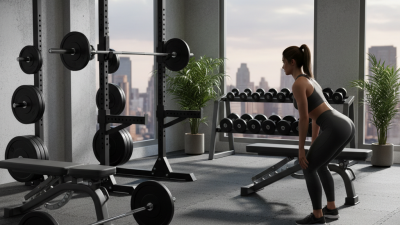
Another critical aspect is the material composition. High-quality rubber mats are made from natural or recycled rubber, providing resilience and durability. They resist fading and maintain grip even in harsh conditions. Check if the mat is UV resistant if used outdoors. Temperature resistance is equally important; mats that can endure extreme heat or cold are ideal for varied climates. Some mats even have antimicrobial properties. This feature helps in reducing bacteria and odors, which is particularly beneficial in wellness and fitness environments.
Be mindful of the mat's weight as well. Heavier mats stay in place better, but they can be cumbersome to move. A lighter mat may shift easily, leading to potential safety risks. Reflect on your specific needs: will it be used indoors or outdoors? Regular cleaning is another aspect to consider for longevity. Regular maintenance ensures that the mat remains effective and safe.
Safety Tips for Using Corrugated Rubber Mats Effectively
When using corrugated rubber mats, safety should be a top priority. These mats can reduce slips and falls, but only if used correctly. Ensure the mats are placed on a flat, dry surface. This prevents any possible tripping hazards. Regularly inspect the mats for signs of wear or damage. A torn mat can lose its effectiveness and pose risks.
Moreover, cleanliness is vital. Dirt and debris can accumulate on the surface and lead to slips. Keep the mats dry and clean by using a broom or vacuum for maintenance. Applying a mild detergent can help, but avoid harsh chemicals that might degrade the rubber.
Be mindful of the mat's placement. In high-traffic areas, ensure the mats are secure. Adding adhesive strips can help keep them in place. It's also worth considering the right thickness for your needs. Thicker mats offer more cushioning but can be harder to clean. Regularly assess their position and overall condition to ensure they continue to provide safety.
Best Corrugated Rubber Mat for Durability and Safety Tips
| Feature |
Description |
Safety Tips |
Maintenance Tips |
| Material |
High-quality recycled rubber |
Ensure the mat is placed on a clean, dry surface to prevent slipping. |
Regularly sweep or vacuum to remove dirt and debris. |
| Texture |
Corrugated surface for better grip |
Check for wear and tear to maintain grip effectiveness. |
Clean with soap and water; avoid harsh chemicals. |
| Thickness |
1/4 inch to 1/2 inch |
For heavier foot traffic, choose thicker mats. |
Store in a dry place when not in use to prevent deterioration. |
| Size Options |
Variety of sizes available for different applications |
Select a size that adequately covers the area of use. |
Inspect for deformities or warping that may affect safety. |
Maintenance Practices for Longevity of Rubber Mats
Proper maintenance practices are crucial for enhancing the longevity of rubber mats. Regular cleaning is essential. Dust, dirt, and grime can accumulate, damaging the surface. A survey by the American Cleaning Institute reveals that routine cleaning can increase the lifespan of rubber mats by up to 30%. Use a mild detergent and warm water. Use a soft-bristle brush to scrub stubborn stains. This method prevents the degradation of the material over time.
It’s also important to rotate rubber mats periodically. This practice helps to prevent uneven wear. According to industry data, rotating mats can extend their life by approximately 20%. Storing rubber mats in a cool, dry place when not in use is equally essential. Avoid exposing them to direct sunlight for extended periods. Exposure to UV rays can cause material breakdown. Small shifts in handling and storage can greatly impact durability.
Paying attention to these simple yet effective maintenance tips can vastly improve the longevity of your rubber mats. However, it's often easy to overlook these practices in a busy environment. Regular inspections can identify wear and tear before it becomes problematic. Embracing these maintenance strategies not only enhances safety but also significantly contributes to cost-effectiveness in material usage.
Common Applications of Corrugated Rubber Mats in Various Settings
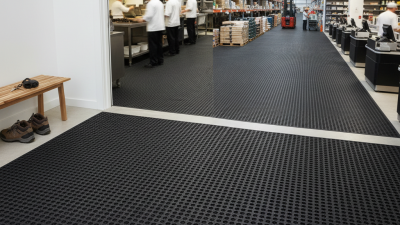
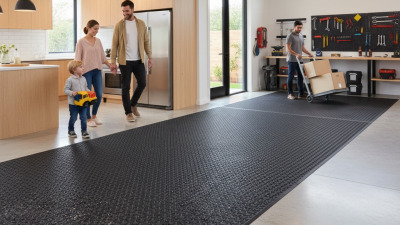
Corrugated rubber mats are a versatile choice for various environments. These mats find application in commercial establishments, industrial sites, and even residential spaces. Their unique texture provides excellent traction, which helps in reducing slips and falls. In restaurants, for example, these mats can absorb spills and grease, ensuring a safer work area for staff.
In industrial settings, corrugated rubber mats help protect workers in high-traffic areas. They act as shock absorbers, reducing fatigue for those standing for long periods. However, it’s essential to choose the right thickness and surface design based on specific needs. For heavy machinery areas, thicker mats may offer better performance, while lighter versions are suitable for light-duty applications.
Moreover, different colors and sizes can fit various aesthetics and spaces. Detailed attention to their maintenance is crucial; regular cleaning ensures they remain effective. Although they’re durable, wear and tear can occur over time. Inspecting them regularly for damage is necessary to maintain safety standards.