2026 Best EPDM Rubber Flooring Options for Your Needs?
When selecting flooring, EPDM rubber flooring stands out for its versatility. According to the Rubber Manufacturers Association, the global market for rubber flooring is expected to grow by 5% annually. This growth mirrors the increasing demand across commercial, residential, and athletic spaces. EPDM rubber is specifically favored for its durability and resilience.
The durability of EPDM flooring makes it an excellent choice for high-traffic areas. Industry reports suggest that up to 70% of users prioritize flooring that withstands wear and tear. This material is also known for its excellent water resistance and slip-resistant properties, making it ideal for pools and gyms. However, not all EPDM options are created equal. Some may lack the aesthetic appeal that consumers desire.
Reflecting on personal needs is essential. The perfect flooring option may vary significantly based on individual circumstances and preferences. It's important to balance durability with design. Take time to research the characteristics of different EPDM rubber flooring products. Understanding these differences can lead to more informed decisions.

The Benefits of EPDM Rubber Flooring in Various Applications
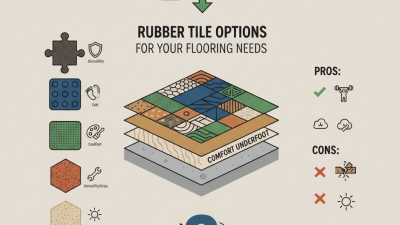
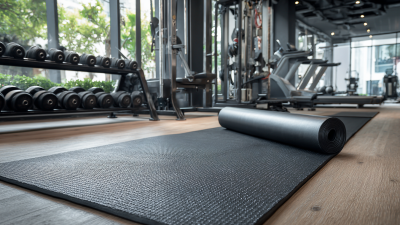
EPDM rubber flooring offers numerous benefits across various applications. Its durability stands out, especially in high-traffic areas. This flooring can withstand heavy loads and extreme weather conditions. It is often used in playgrounds, gyms, and outdoor spaces. The ability to absorb shock makes it ideal for environments where safety is a concern. It can help reduce the risk of falls and injuries.
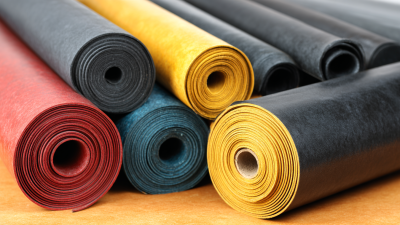
In addition to its physical properties, EPDM flooring is low maintenance. Cleaning it usually requires just a simple sweep or rinse. However, it can sometimes attract dirt and debris, requiring more effort than anticipated. While it might seem easy to care for, neglect can lead to staining. This aspect deserves careful attention. The aesthetic appeal of EPDM comes in vibrant colors, making it attractive for various settings. This adds a personal touch but can be overwhelming for those who prefer subtle designs.
EPDM is also eco-friendly, often made from recycled materials. This is an important factor for environmentally conscious projects. Yet, achieving the right balance between sustainability and performance can be tricky. Not every option on the market meets strict environmental standards. Ensure to choose wisely. Each installation is an opportunity to reflect on your choices and their long-term impacts.
2026 Best EPDM Rubber Flooring Options by Application
Key Factors to Consider When Choosing EPDM Flooring Options
When selecting EPDM rubber flooring, there are several key factors to weigh carefully. The durability of EPDM is notable; it offers a lifespan of 15 to 25 years, depending on usage and maintenance. This level of resilience is why many facilities choose EPDM for high-traffic areas. It can withstand harsh weather conditions and is resistant to UV rays and extreme temperatures.
Another critical aspect is the texture and thickness of the flooring. A thicker EPDM surface can provide better cushioning and shock absorption, which is vital for athletic spaces or playgrounds. Reports indicate that a 1.5-inch thickness significantly reduces injury risks during falls. Furthermore, the color options and aesthetics can influence the appeal of the space. While some may prefer vibrant colors to engage children, others may seek neutral tones for professional environments.
Budget constraints often play a role in decision-making. However, cheaper options may lead to higher long-term costs due to quicker wear and tear. It’s essential to balance initial investments with long-term performance. Choosing the right EPDM flooring may require careful consideration of these factors, ensuring that the flooring not only meets immediate needs but also supports future requirements.
Comparison of Top EPDM Flooring Brands and Their Features
When it comes to selecting the best EPDM rubber flooring, it's essential to compare the options available. Many brands offer unique features that cater to specific needs. Some are designed for high-impact areas, while others focus on slip resistance. Each brand has its own formula, affecting durability and texture.
One major aspect to consider is the thickness of the flooring. Thicker options provide better cushioning. However, they may also come with a higher price tag. Colors and finishing also vary widely. Some brands might boast vibrant options, while others stick to neutral tones. It’s vital to reflect on what suits your space best.
You might find some brands excel in ease of installation, making them appealing for DIY enthusiasts. Yet, if you rush through the installation, it can lead to mistakes. Not every brand will perform well in extreme weather conditions, which is crucial for outdoor applications. It’s worth investigating customer feedback on longevity and maintenance of each option. Balancing price, performance, and aesthetics can be challenging.
Industry Standards and Certifications for EPDM Rubber Flooring
When selecting EPDM rubber flooring, industry standards and certifications play a crucial role. Certifications like ISO 9001 and ASTM F3010 indicate high-quality materials and manufacturing processes. These standards ensure compliance with safety and environmental regulations. For instance, ASTM F3010 evaluates slip resistance, durability, and performance under various conditions. Choosing certified products means opting for tested reliability.
Additionally, according to a report by the International Floor Covering Association, certified EPDM rubber flooring can reduce installation issues by up to 30%. This statistic shows the value of trusting verified products. However, the complexity of certifications can confuse buyers. Some may overlook the importance of these standards. Not all EPDM products meet the rigorous testing required. This gap can lead to inconsistent performance, especially in high-traffic areas.
Understanding certifications helps buyers make informed decisions. Epdm flooring must be more than just visually appealing. It should be safe, long-lasting, and compliant with regulations. While many products claim to be high-quality, proper certification is essential in verifying this. Investing time to understand these standards can prevent future regret. It's a step that can significantly impact the longevity and safety of flooring installations.
2026 Best EPDM Rubber Flooring Options for Your Needs
| Feature |
Option 1 |
Option 2 |
Option 3 |
| Thickness |
3 mm |
6 mm |
9 mm |
| Slip Resistance |
High |
Medium |
High |
| Color Options |
Black, Gray |
Blue, Green |
Red, Yellow |
| Certifications |
ASTM, ISO |
EN, DIN |
REACH, RoHS |
| Warranty |
5 Years |
10 Years |
15 Years |
Cost Analysis and Long-Term Value of EPDM Flooring Solutions
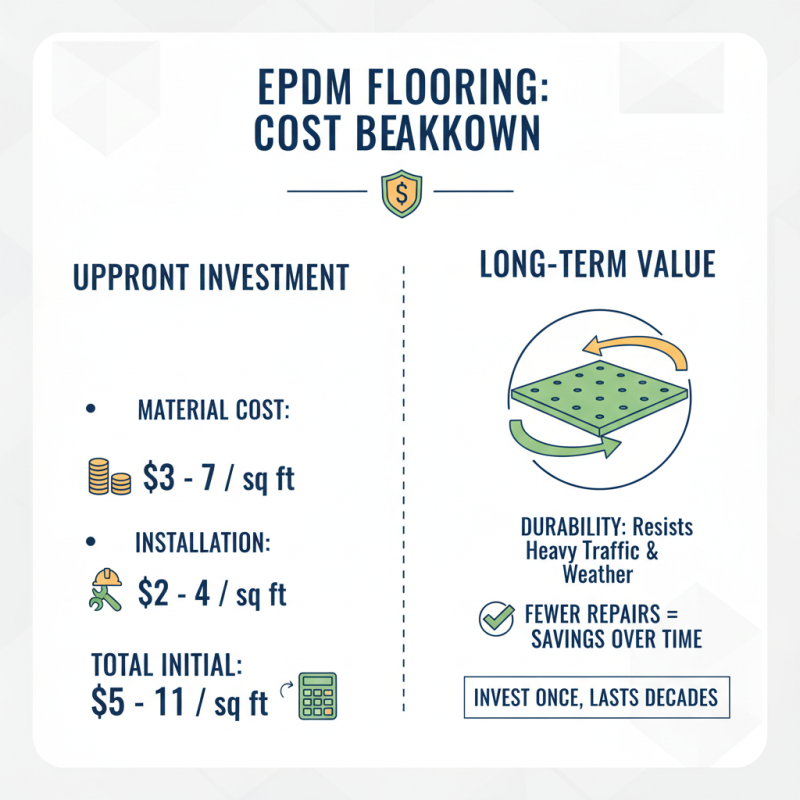
When considering EPDM flooring, cost is a vital factor. The upfront investment can vary widely based on thickness and type. Generally, pricing ranges from $3 to $7 per square foot. Installation costs may add another $2 to $4 per square foot. Although this may seem high, the durability of EPDM can justify the expense. It withstands heavy foot traffic and diverse weather conditions. This resilience means fewer repairs over time.
Long-term value is a critical aspect. An EPDM floor can last upwards of 20 years with proper maintenance. This longevity contrasts with cheaper materials that require replacement sooner, leading to higher lifetime costs. However, maintenance demands can be overlooked. Regular cleaning and inspections are necessary for optimal performance. Without this, the investment may not pay off. Budgeting for routine upkeep is essential.
While EPDM has benefits, it’s not without drawbacks. Installation complexity may require professional help. This can drive up initial costs significantly. Some users report dissatisfaction with color options, finding the range limited. These factors can lead to regret later on, so it's important to research thoroughly before making a decision. Evaluating initial costs against long-term benefits is crucial for making informed choices.