Best Gym Floor Mats for Your Workout Needs?
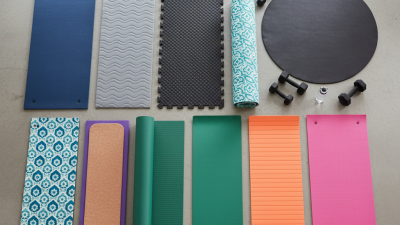
When it comes to fitness, having the right equipment is essential. One crucial element often overlooked is Gym Floor Mats. These mats provide stability and comfort during workouts. They can protect floors and keep you safe from injuries.
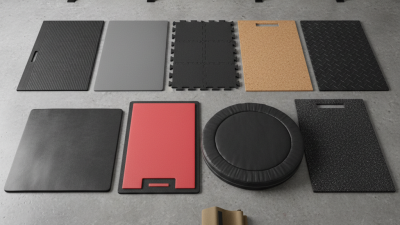
Choosing the best Gym Floor Mats requires understanding your needs. Not all mats are created equal. Some offer more cushioning, while others focus on durability. It’s important to consider the type of exercises you plan to do. Are you lifting weights or doing yoga? Each activity demands different mat features.
These mats can also affect your workout experience. Choosing low-quality mats may lead to slips or discomfort. Investing in the right Gym Floor Mats enhances your performance and protects your body. Reflect on what you need from your mats. This thoughtfulness will ensure your workout space is safe and effective.
Choosing the Right Material for Gym Floor Mats
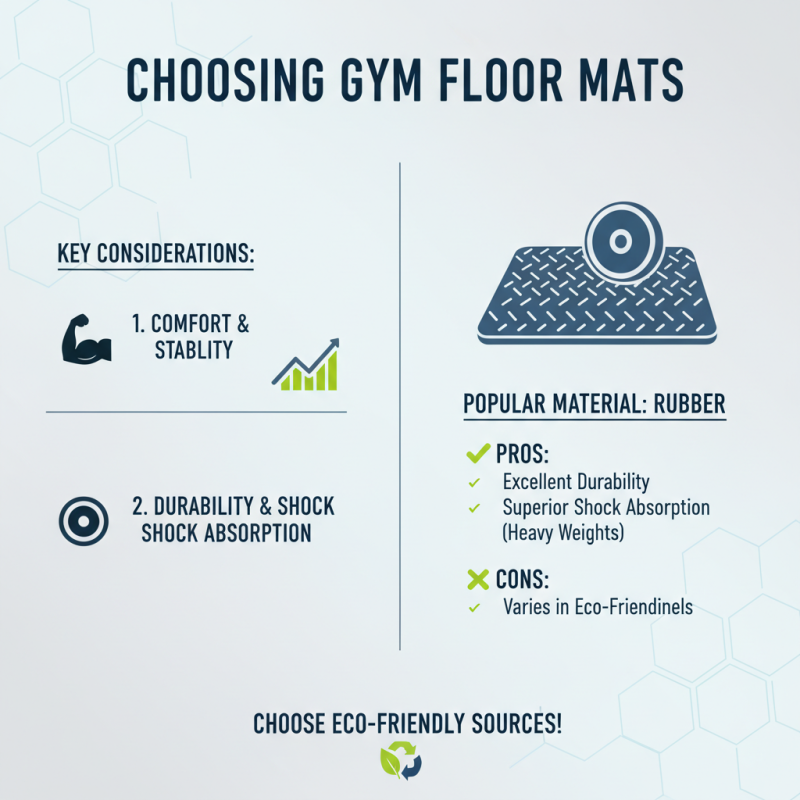
Choosing the right material for gym floor mats is crucial for optimizing your workout experience. The best mats provide the perfect balance of comfort and stability. Rubber mats are popular for their durability and shock absorption. They can handle heavy weights without compromising performance. But not all rubber mats are eco-friendly. It is important to consider the source of the material.
Foam mats offer a softer surface which can be ideal for aerobic exercises or yoga. They provide cushioning and reduce impact on joints. However, they may not hold up well under heavy equipment. Additionally, some foam types can lack traction, which might lead to slips.
Choosing the right material often involves weighing pros and cons. You need to consider your workout type and personal comfort. Researching different materials can be daunting. Listening to experiences from fellow gym-goers can provide useful insights. Ultimately, your gym mat should meet your specific needs while enhancing your overall workout experience.
Types of Gym Floor Mats: Rubber, Foam, and Vinyl Explained
When setting up a workout space, choosing the right gym floor mats is essential. Understanding the types of mats, such as rubber, foam, and vinyl, can help in making an informed decision. Each type offers unique benefits that cater to different workout needs.
Rubber mats are popular for durability. They provide excellent traction and shock absorption, making them suitable for heavy weightlifting. However, they can be heavy and challenging to install. Foam mats, on the other hand, are lightweight and often more comfortable for floor exercises like yoga and pilates. They can cushion your joints, a big advantage during dynamic movements. Yet, foam may wear out faster with high-impact activities. Vinyl mats are easy to clean and maintain, ideal for multi-purpose spaces. But they may lack the cushioning some workouts require.
Tips: Consider the type of exercises you'll perform. If your routine involves significant impact, rubber or foam mats might be best. Think about the installation process, too. It's not always easy. Evaluate your budget, as prices vary widely based on material and thickness. Don’t forget about maintenance. Easy-to-clean mats will save you time. Sometimes, the best choice isn't the most expensive. Reflect on your specific needs and make a choice that suits your environment.
Factors to Consider When Selecting Gym Floor Mats
When selecting gym floor mats, consider the material.
Rubber mats are durable and provide excellent shock absorption. Foam mats are lighter and portable, making them ideal for home use.
Look for options that also offer slip resistance to enhance safety during workouts.
Size and coverage are essential. Mats come in various sizes.
Ensure the chosen mat covers the entire workout area adequately. This prevents slipping or stumbling during exercises.
Think about the thickness too. Thicker mats offer better cushioning, but they may be bulkier to store.
Tips: Always check for easy maintenance. Mats that are easy to clean will last longer.
If you sweat a lot during workouts, look for antimicrobial options. They can help reduce odors and infections.
Lastly, don’t forget about the mat's design. Choose something that fits your gym's aesthetics and motivates you to work out.
Top Brands for Durable and Effective Gym Floor Mats
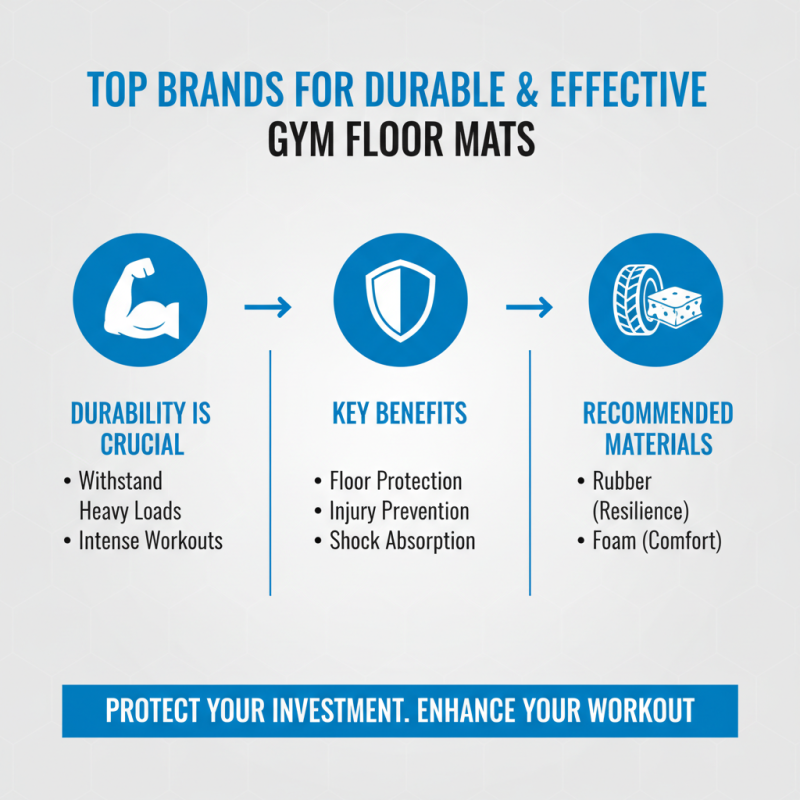
When it comes to choosing gym floor mats, durability is crucial. Quality mats should withstand heavy loads and intense workouts. They protect your floors and prevent injuries. Look for mats made from materials that offer shock absorption. Rubber and foam are popular choices for their resilience and comfort.
Some brands focus on eco-friendly options, appealing to those who prioritize sustainability. Explore mats that provide both functionality and environmental responsibility. Easy maintenance is another essential feature. Mats should be simple to clean, ensuring a hygienic workout space. Choose options that resist stains and won't absorb moisture.
While many brands claim superior performance, not all meet the mark. User reviews often tell a different story. Some mats lose grip over time or tear easily. Research is vital to find reliable products that fit your workout needs. A mat may look good initially, but how it performs in the long run matters more.
Maintenance Tips for Keeping Your Gym Floor Mats in Good Condition
Keeping your gym floor mats in top shape requires consistent care. Regular cleaning is essential. Dust and dirt can accumulate quickly. Use a vacuum to remove loose debris. Follow up with a damp mop and a gentle cleaner designed for mats. Don’t soak the mats; excess moisture can lead to mold.
Occasional deep cleaning is crucial. This can be done with a steam cleaner. Pay attention to corners and edges, as dirt often hides there. If you notice any odors, consider using a natural deodorizer. Stains should be addressed promptly. Blot spills immediately to avoid permanent marks.
Inspect your mats regularly for any signs of wear. Cracks or tears can affect your workout safety. If you notice any damage, consider replacing that section or the entire mat. Think about the environment too. Avoid chemicals that harm the earth. Sustainable cleaning products are often just as effective.