10 Best Gym Flooring Options for Every Fitness Enthusiast in 2023
Choosing the right gym flooring is crucial for any fitness enthusiast looking to create an effective and safe workout environment. With a wide array of options available in 2023, the decision can be overwhelming. However, the right gym flooring not only enhances the aesthetics of your space but also provides the necessary support and safety during workouts. Whether you are lifting weights, practicing yoga, or engaging in high-intensity interval training, the floor beneath you plays a significant role in your overall performance and comfort.
In this article, we will explore the ten best gym flooring options that cater to various fitness needs and preferences. From rubber tiles and foam mats to carpet and interlocking vinyl, each flooring type has its own unique benefits, and understanding these will help you make an informed choice. Additionally, we will discuss the essential factors to consider when selecting gym flooring, such as durability, cushioning, maintenance, and cost-effectiveness. By the end of this guide, you will be equipped with the knowledge to choose the perfect gym flooring that aligns with your fitness journey and enhances your overall workout experience.
Understanding the Importance of Choosing the Right Gym Flooring
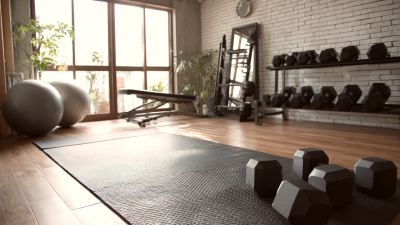
Choosing the right gym flooring is crucial for both safety and performance. The surface you train on can significantly influence your workout experience, as well as the longevity of your equipment. For example, a proper flooring material can provide the necessary cushioning to protect your joints, reducing the risk of injuries during high-impact exercises. Additionally, suitable flooring can enhance traction, preventing slips and falls, particularly in high-intensity workouts or when using weights.
Moreover, the right gym flooring contributes to the overall functionality of your workout space. Different activities, from yoga to weightlifting, require varying levels of support and stability. Selecting a flooring option that meets these specific needs can enhance motivation and performance. Furthermore, easy-to-clean surfaces contribute to maintaining hygiene, which is essential in a frequently used space. Therefore, it's essential to consider durability, maintenance, and the type of exercises performed when making your choice, ensuring that your workout area promotes a safe and effective training environment.
Top 10 Gym Flooring Options for Different Types of Workouts
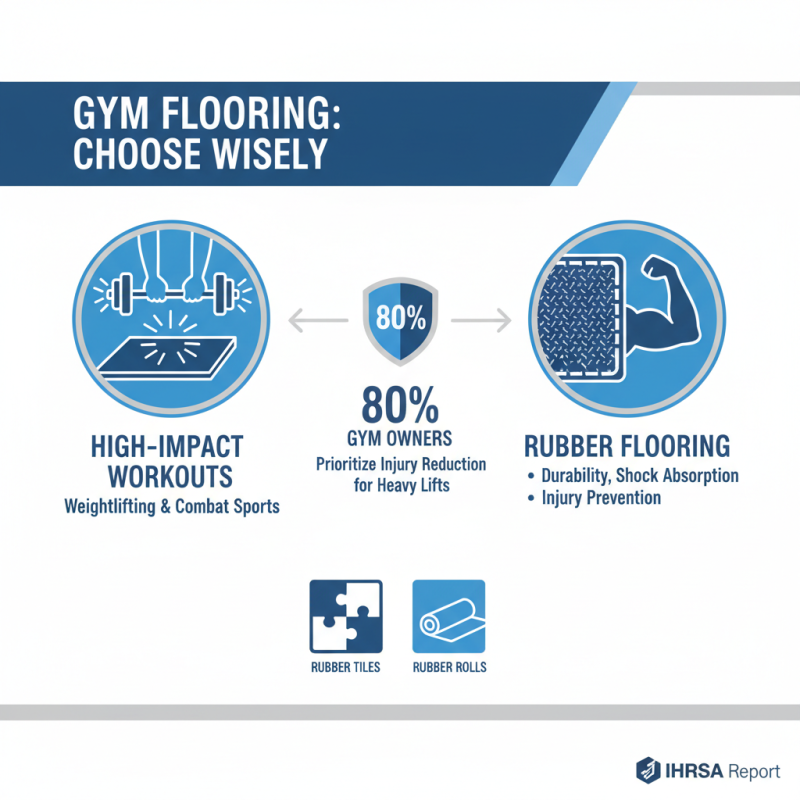
When it comes to selecting the right flooring for a gym, the type of workouts being performed plays a crucial role. For high-impact activities like weightlifting and combat sports, rubber flooring is often recommended due to its durability and shock absorption capabilities. According to a report from the International Health, Racquet & Sportsclub Association (IHRSA), approximately 80% of gym owners prioritize flooring that minimizes injury risk for heavy lifts. Rubber tiles or rolls are not only effective in protecting both the floor and the equipment but also provide the necessary grip to ensure stability during strenuous exercises.
For those focused on cardio workouts like aerobic classes or cycling, cushioned vinyl flooring could be the ideal solution. Research from the American Council on Exercise (ACE) indicates that softer surfaces can help reduce fatigue during prolonged sessions, promoting better performance and overall comfort. This type of flooring is also waterproof and easy to clean, making it suitable for high-energy environments. Ultimately, the best flooring option should enhance both performance and safety, catering to the specific needs of different workout regimens.
Key Features to Consider When Selecting Gym Flooring
When selecting gym flooring, several key features should be taken into account to ensure a safe and effective workout environment. First and foremost, durability is paramount. Flooring must withstand heavy equipment, high foot traffic, and intense movement without showing signs of wear or damage. Materials such as rubber, foam, and vinyl are popular choices for their resilience, offering long-lasting performance even in high-impact settings. Additionally, easy maintenance is crucial. Opting for flooring that can be easily cleaned and maintained will save time and effort, ensuring a hygienic space for all fitness enthusiasts.
Another important consideration is the type of workouts being performed. Different activities place varying demands on flooring. For example, if the gym is primarily used for weightlifting, a denser and thicker surface may be required to absorb shocks and prevent injuries. Conversely, for activities like yoga or Pilates, a softer, non-slip surface can enhance safety and comfort. Furthermore, aesthetic appeal and sound insulation should not be overlooked. Gym flooring can significantly affect the overall ambiance and experience, so selecting a design and texture that fits the gym’s theme and absorbs sound will contribute to a more enjoyable fitness atmosphere.
10 Best Gym Flooring Options for Every Fitness Enthusiast in 2023
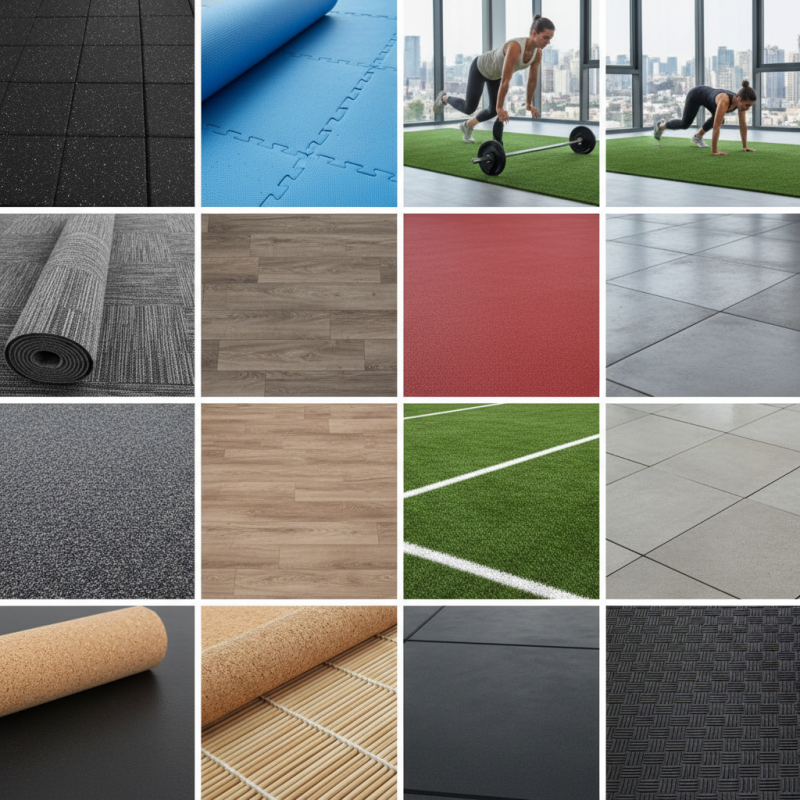
| Flooring Type |
Material |
Key Features |
Price Range (per sq. ft.) |
Best For |
| Rubber Tiles |
Rubber |
Durability, Shock Absorption |
$2 - $5 |
Heavy Lifting |
| Foam Mats |
Foam |
Lightweight, Easy to Clean |
$1 - $3 |
Yoga/Pilates |
| Vinyl Flooring |
Vinyl |
Water-Resistant, Stylish |
$3 - $7 |
Mixed Workout Spaces |
| Carpet Tiles |
Carpet Fiber |
Comfortable, Insulating |
$2 - $6 |
Cardio Areas |
| Cork Flooring |
Cork |
Eco-Friendly, Anti-Microbial |
$4 - $8 |
General use |
| Artificial Turf |
Synthetic Grass |
Outdoor Feel, Low Maintenance |
$2 - $10 |
Cardio & Agility Training |
| Epoxy Flooring |
Epoxy Resin |
Seamless, Modern Look |
$5 - $12 |
High-End Gyms |
| Bamboo Flooring |
Bamboo |
Sustainable, Unique Style |
$3 - $9 |
Flexible Spaces |
| Wood Flooring |
Hardwood |
Elegant, Classic Look |
$5 - $15 |
Dance Studios |
| Mats for Equipment |
Various |
Protects Flooring, Noise Reduction |
$1 - $5 |
Weight Lifting |
Comparing Costs and Durability of Various Gym Flooring Materials
When choosing gym flooring, understanding the cost and durability of various materials is essential for making an informed decision. Options like rubber mats, foam tiles, and vinyl flooring each come with distinct advantages and potential drawbacks. Rubber flooring is a favorite for its durability, often lasting for years under heavy equipment and foot traffic. Although the initial cost may be higher than alternatives, its longevity makes it a wise investment over time. In contrast, foam tiles are softer and provide excellent cushioning, making them ideal for bodyweight workouts and yoga. However, they may not withstand heavy weights for as long as rubber.
Tips on maintaining your flooring can further increase its lifespan. Regular cleaning with appropriate products helps to avoid buildup of grime and ensures a safe workout environment. Additionally, be mindful of moisture levels, as some materials—like foam—can absorb water and lead to mold if not managed correctly. Consider using moisture barriers or mats in high-traffic areas to protect your investment against wear and tear.
Ultimately, balancing upfront costs with longevity and maintenance will lead to a flooring choice that both meets your fitness needs and stays within your budget. Whether you're creating a home gym or a commercial space, knowing the characteristics of each flooring type assists in making a choice that enhances your fitness experience.
Maintenance Tips for Keeping Your Gym Flooring in Optimal Condition
When investing in gym flooring, maintaining its condition is crucial for safety and performance. According to the National Association of Sport and Physical Education (NASPE), proper upkeep can significantly extend the life of your flooring by up to 50%. Regular cleaning is essential; a weekly routine involving sweeping and mopping can prevent dirt and debris from becoming ingrained in the surface. Additionally, using pH-neutral cleaning solutions helps to avoid damaging materials, ensuring that your flooring remains resilient against wear and tear.
Humidity and temperature fluctuations can also impact gym flooring's longevity. The American Sports Builders Association suggests monitoring environmental conditions to maintain an optimal climate for your gym. Installations on wooden surfaces, for instance, should consider the potential for expansion and contraction. Placing mats or area rugs in high-traffic sections can alleviate excessive stress on the flooring, further prolonging its lifespan. By implementing these strategies, fitness enthusiasts can create a safe and inviting workout environment while safeguarding their flooring investment.
10 Best Gym Flooring Options for Every Fitness Enthusiast in 2023