Best Rubber Floor Rolls for Your Space Selection Guide?
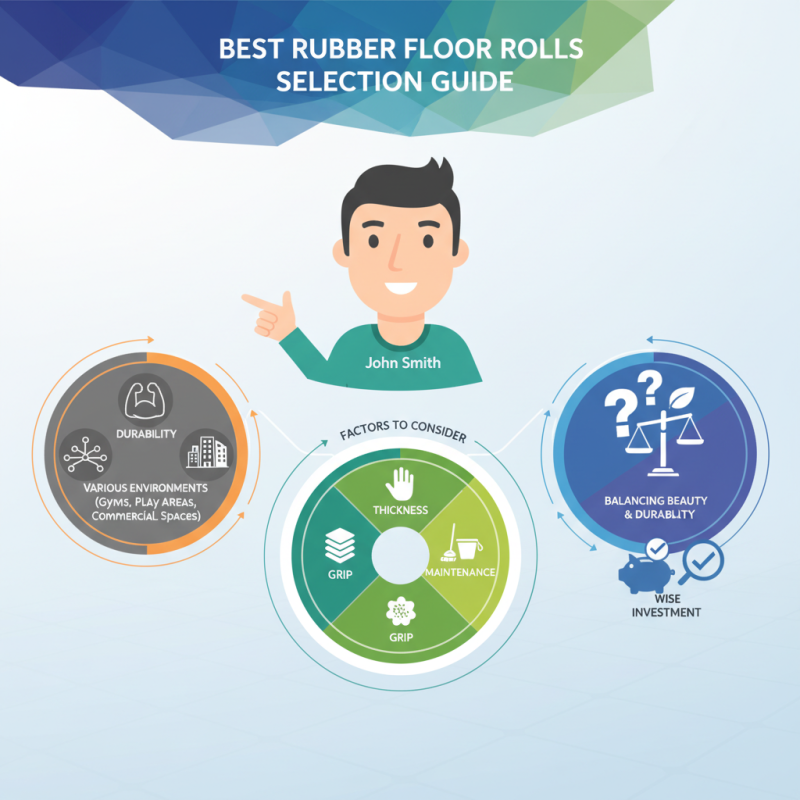
When it comes to selecting the best Rubber Floor Rolls for your space, expert insights can guide your decision. John Smith, a leading flooring specialist, states, “Choosing the right rubber floor can transform not just your space but also your experience within it.” This highlights the importance of careful selection for both aesthetics and functionality.
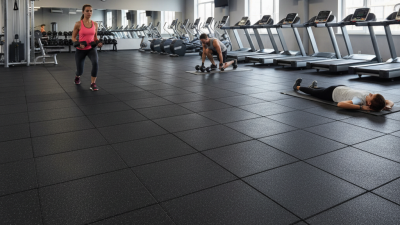
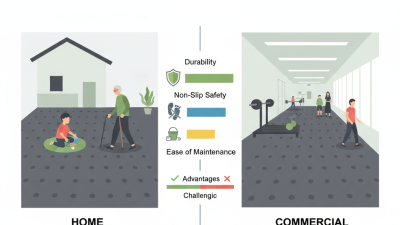
Rubber Floor Rolls offer a unique blend of durability and comfort. They are suitable for various environments, including gyms, play areas, and commercial spaces. With so many choices available, one can feel overwhelmed. It is crucial to consider factors like thickness, grip, and maintenance requirements. Each aspect plays a significant role in how these floors perform over time.
Exploring options can feel daunting. Some products may look appealing but fail in practicality. Balancing beauty and durability remains a challenge for many buyers. Understanding the nuances of Rubber Floor Rolls is essential before making a purchase. Consider your specific needs and future use to make a wise investment.
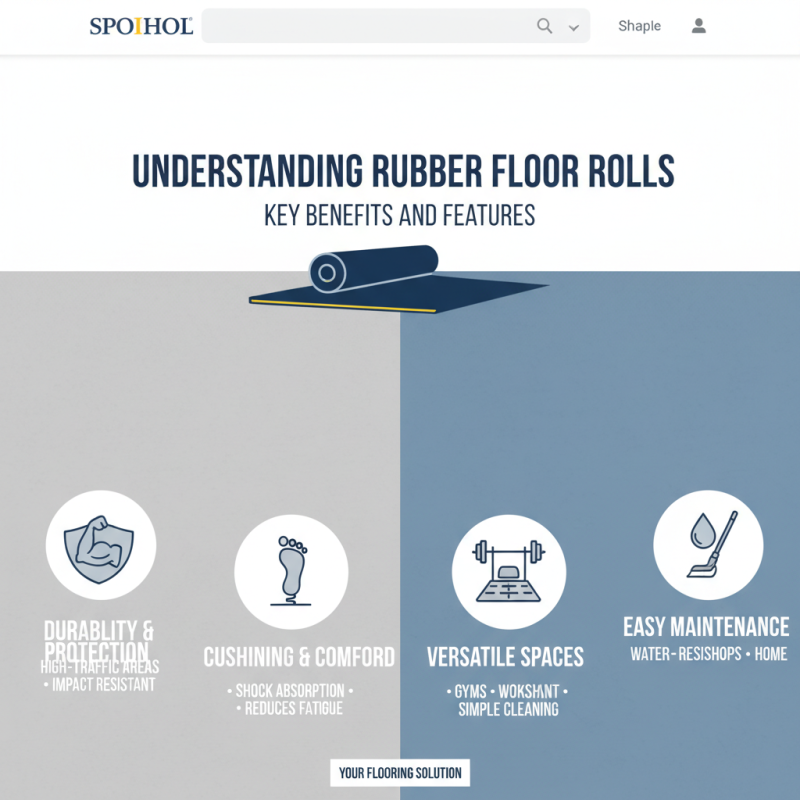
Understanding Rubber Floor Rolls: Key Benefits and Features
Rubber floor rolls offer numerous benefits for various spaces. They are known for their durability, making them ideal for high-traffic areas. Whether in a gym, workshop, or home, these rolls provide excellent cushioning and shock absorption. This feature is particularly beneficial for reducing fatigue when standing for long periods.
When selecting rubber floor rolls, consider the thickness and texture. Thicker rolls often provide better support and insulation. Additionally, textured surfaces can enhance grip, ensuring safety in slippery environments. Pay attention to the roll's adhesive backing, as this can impact installation ease and stability.
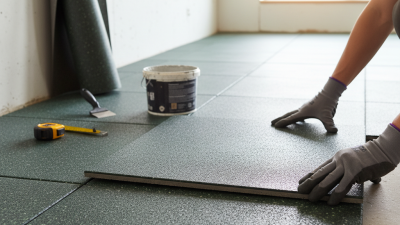
Tips for installation include ensuring a clean, dry subfloor for optimal adhesion. Use a straight edge to trim the rolls accurately, achieving a seamless look. Test the rolls in a small area first to check for any initial reactions with the existing flooring. This can prevent future complications. Regular maintenance, such as cleaning with mild soap and water, can prolong their lifespan and keep your space looking fresh.
Types of Rubber Floor Rolls: Which is Right for Your Space?
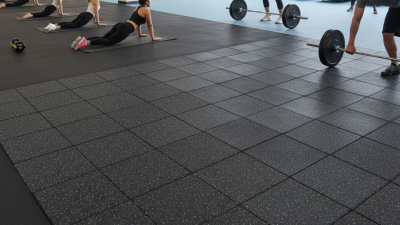
When selecting rubber floor rolls, understanding the variations available is crucial. Rubber flooring comes in different types, each suited for specific applications. For instance, solid rubber rolls are often used in gymnasiums for their excellent shock absorption and durability. According to industry reports, gyms using solid rubber can reduce injury risks by over 30%, showcasing the protective benefits these floors provide.
Another option is recycled rubber flooring, which is both eco-friendly and cost-effective. This type is often chosen for commercial spaces due to its resilience. A study indicated that recycled rubber surfaces can last up to 10 years longer than other flooring options. This longevity not only cuts down on replacement costs but also minimizes environmental impact.
Moreover, interlocking rubber tiles present a versatile choice. They are easy to install and can adapt to various room sizes. However, installation can be imperfect without professional help, potentially leading to uneven surfaces. This challenge underscores the importance of assessing your specific space needs and the expertise required. Choosing the right rubber floor roll is more than just aesthetics; it's about safety, sustainability, and practicality.
Best Rubber Floor Rolls for Your Space Selection Guide
Factors to Consider When Choosing Rubber Floor Rolls
When selecting rubber floor rolls, it's crucial to consider several key factors. Durability tops the list. According to a report from the Flooring Covering Industry, high-quality rubber flooring can last up to 20 years with proper maintenance. This long lifespan makes it a cost-effective choice for high-traffic areas.
The thickness of the rubber mat also plays a significant role. Thicker mats provide better cushioning, reducing fatigue during prolonged standing. Typically, options range from 3mm to 10mm. In environments such as gyms or industrial spaces, thicker rolls help absorb impact and reduce stress on joints. Don't overlook slip resistance, especially in wet or potentially hazardous areas. The right texture can significantly decrease the risk of slips and falls.
Tips: Always measure your space before purchasing. This helps avoid waste and ensures a perfect fit. Also, consider the color and design. A well-chosen aesthetic can enhance the overall look of your space. Remember, not all rolls are created equal. Some may have unpleasant odors or off-gassing, which is a consideration for indoor air quality.
Reflecting on feedback from users, some have reported challenges with installation. This is a reminder to seek professional help if you're unsure. Taking these factors into account can lead to a wiser, more informed decision about the perfect rubber floor rolls for your needs.
Installation and Maintenance Tips for Rubber Flooring
Rubber flooring is a popular choice due to its durability and comfort. For proper installation, it’s crucial to prepare the subfloor. Moisture levels should be below 5% before laying down the flooring. Uneven surfaces can lead to issues like bubbles or warping over time. According to industry reports, around 25% of rubber flooring installations fail due to poor preparation.
Regular maintenance is essential for extending the lifespan of rubber floors. Daily cleaning with a damp mop prevents dirt buildup and minimizes wear. It’s recommended to use a neutral pH cleaner, as harsh chemicals can damage the surface. Each year, a deep clean should be performed to remove any stuck particles. A study found that neglecting maintenance can reduce the life of rubber flooring by up to 30%.
Additionally, consider the traffic in your space. High-traffic areas may require more frequent maintenance. Regularly inspecting the floor for any signs of damage or wear can help catch problems early. Make sure to address any issues promptly to avoid costly repairs in the future.
Cost Analysis: Budgeting for Rubber Floor Rolls in Your Project
When considering rubber floor rolls, understanding the cost is essential for effective budgeting. Industry reports indicate that the average price of rubber flooring ranges from $2 to $8 per square foot. Factors such as thickness, color, and texture influence these costs. Thicker rolls tend to provide better cushioning and durability, making them a more expensive option.
Installation adds to the overall budget. Professional installation may cost an additional $1 to $3 per square foot. Some homeowners opt for DIY installation to save money. However, this choice requires skill and knowledge of flooring techniques.
Maintenance costs should also be factored into the budget. The longevity of rubber flooring often depends on proper care. Neglect can lead to premature wear, potentially increasing long-term expenses. Investing in a quality product may reduce these issues, but upfront costs can be daunting. Balancing quality and budget is a common challenge for many projects.