Best 10 Rubber Tile Options for Your Flooring Needs?
When it comes to flooring solutions, the choice of material can impact both aesthetics and functionality. Rubber tiles have gained popularity due to their durability and versatility. Expert in flooring design, John Doe, emphasizes, "Rubber tiles offer an unmatched combination of safety and style." This statement underscores their significant role in modern interiors.
Rubber tiles are not just practical; they also provide comfort underfoot. Available in various colors and textures, they can fit any design scheme. However, some might overlook installation challenges. One needs to consider the subfloor condition before laying down rubber tiles.
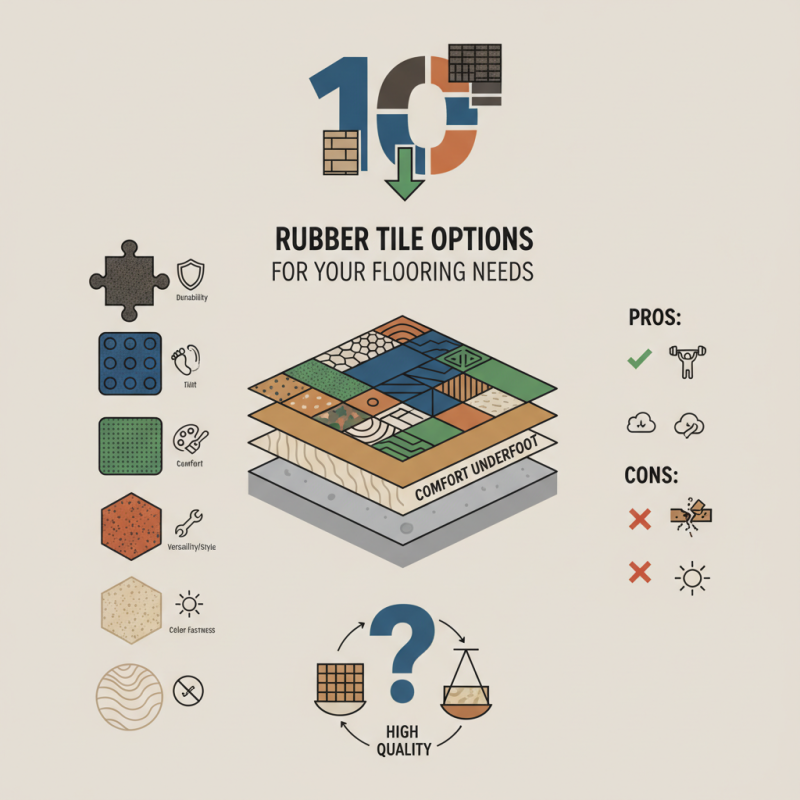
While rubber tiles have many benefits, it’s essential to weigh them against potential downsides. Some users report issues with color fading over time. Choosing high-quality options can mitigate this concern. In this article, we will explore the best rubber tile options available, helping you make an informed choice for your flooring needs.
Overview of Rubber Tile Types and Materials
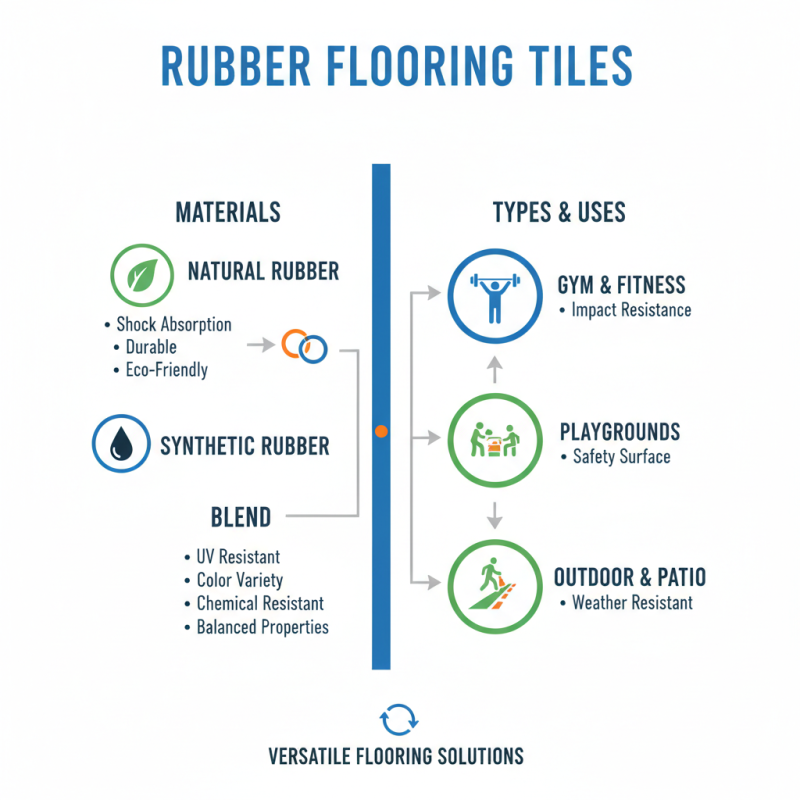
Rubber tiles come in various types and materials, each suitable for different flooring needs. These tiles are primarily made from natural rubber, synthetic rubber, or a blend of both. Natural rubber provides excellent shock absorption and durability, making it ideal for gym floors. Synthetic options often mimic the properties of natural rubber but can offer better UV resistance and color variety.
In recent industry reports, research revealed a growing trend where rubber flooring accounts for approximately 12% of the global flooring market. The versatility of rubber tiles makes them popular in both residential and commercial spaces. For instance, interlocking tiles are favored for their ease of installation, while sheet rubber offers a seamless look. Additionally, the environmental impact is worth noting; many manufacturers now use recycled materials, contributing to sustainability efforts.
Despite their advantages, choosing the right rubber tile can be challenging. Some users report that certain tiles can emit odors or may not adhere well if surfaces are not prepared properly. It's crucial to select a tile suited for your specific environment. Understanding the differences in texture and thickness can affect performance and maintenance as well.
Benefits of Using Rubber Tiles for Flooring
Rubber tiles offer numerous benefits for flooring needs that make them an attractive option for various applications.
According to industry studies, rubber flooring can reduce noise levels by up to 50%, making it ideal for busy environments.
This sound-dampening property enhances comfort in playgrounds, gyms, and commercial spaces. Moreover, rubber is inherently slip-resistant, which ensures safety in high-traffic areas, thus minimizing accidents.
Additionally, rubber tiles are known for their durability. Reports indicate that they can last over 20 years with proper maintenance.
They are resistant to water, mold, and mildew, allowing them to thrive in moisture-prone areas such as basements and bathrooms.
The wide range of colors and styles available adds aesthetic value to any room, though the initial installation cost can be higher than some alternatives.
Despite these advantages, some users find rubber tiles might emit a noticeable odor initially. This issue may fade over time, but it requires attention during installation.
Furthermore, while maintenance is low, regular cleaning is essential to avoid wear. Users should consider these factors when choosing rubber tiles for their flooring needs.
Quality and performance can vary, making thorough research critical before purchase.
Key Factors to Consider When Choosing Rubber Tiles
Choosing the right rubber tiles for your flooring needs involves several key factors. First, consider the tile thickness. Thicker tiles may offer better cushioning and support, making them suitable for gyms or play areas. However, they can be more expensive. Assess the density as well; higher density tiles typically provide better durability and resistance to wear and tear.
Next, examine the surface texture and finish. Some rubber tiles have a smooth surface, while others have a textured finish for better grip. This aspect is crucial, especially in high-traffic areas. Additionally, pay attention to ease of installation. Some tiles come with interlocking edges, making them simpler to install but may not fit as securely over time.
Finally, think about color options and designs. While many people prefer neutral colors, vibrant options can enhance a space's aesthetic. It’s also important to consider your specific environment. Tiles used outdoors may need to withstand UV rays and moisture. Always check for warranties, as these can indicate the manufacturer's confidence in their product. Remember, selecting rubber tiles is not just about looks; functionality and maintenance are equally important.
Top 10 Recommended Rubber Tile Options
When considering rubber tiles for flooring, several options stand out for their versatility and performance. These tiles are often used in gyms, play areas, and commercial spaces. They come in various colors and thicknesses, making it easy to match your design preferences. The textured surface of rubber tiles provides excellent grip, adding safety to any space.
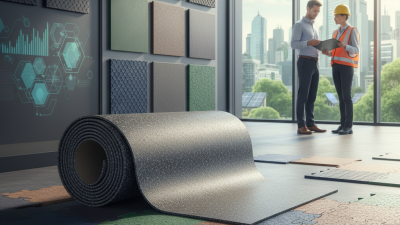
One popular option is interlocking rubber tiles. These are easy to install and can be configured in different patterns. They are ideal for DIY enthusiasts. However, not all interlocking tiles fit perfectly, which can be frustrating. Another choice is rolled rubber flooring. This type offers seamless installation, creating a clean look. Yet, measuring the area accurately can be a challenge, leading to waste if not done properly.
Some rubber tiles are designed for outdoor use, resistant to weather changes. These tiles can be a bit heavy though, making installation tricky alone. In contrast, lighter tiles are easier to handle but may not withstand heavy foot traffic. It's essential to weigh the pros and cons of each option carefully. Mixing different styles can create unique aesthetics, but it may also complicate the installation process. Balancing functionality and appearance is key.
Installation and Maintenance Tips for Rubber Flooring
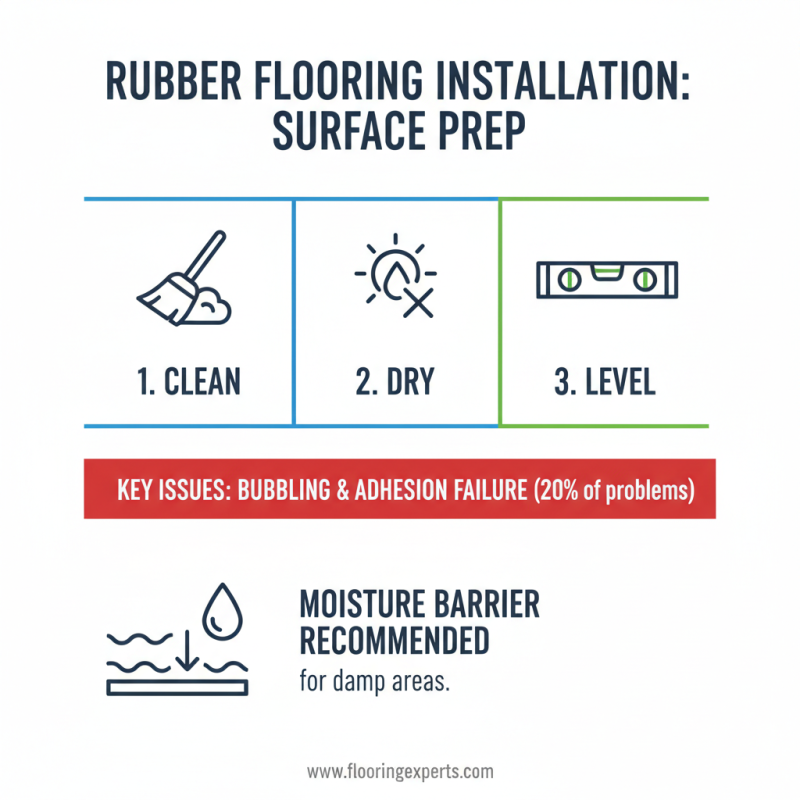
When installing rubber flooring, proper preparation is key. The surface must be clean, dry, and level to ensure optimal adhesion. According to industry reports, around 20% of installation issues stem from improper surface conditions. This can lead to bubbling or adhesion failure. Using a moisture barrier is often recommended, especially in areas prone to dampness.
Maintenance is relatively straightforward but requires consistency. Regular sweeping and occasional mopping with a mild detergent are vital. Reports suggest that neglecting maintenance can reduce the lifespan of rubber flooring significantly. Additionally, scuffs and stains may require specialized cleaners, but many rubber surfaces are resilient. However, caution is necessary as overly aggressive cleaners can damage the material.
While rubber flooring is durable, it is not impervious to wear. High-traffic areas may show signs of wear and tear faster. A little wear can be a reminder of the activity in a space, but excessive damage could necessitate replacement, an expensive consideration. Keeping an eye on all these factors can help mitigate potential issues and maintain the aesthetics and functionality of your flooring.