Leave Your Message

Best Weight Floor Mats for Optimal Performance and Safety?

In the world of fitness, choosing the right equipment can make all the difference. Weight Floor Mats are essential for optimal performance and safety in any workout space. According to John Smith, a leading expert in exercise equipment, “The right mats not only enhance safety but also improve your workout efficiency.”

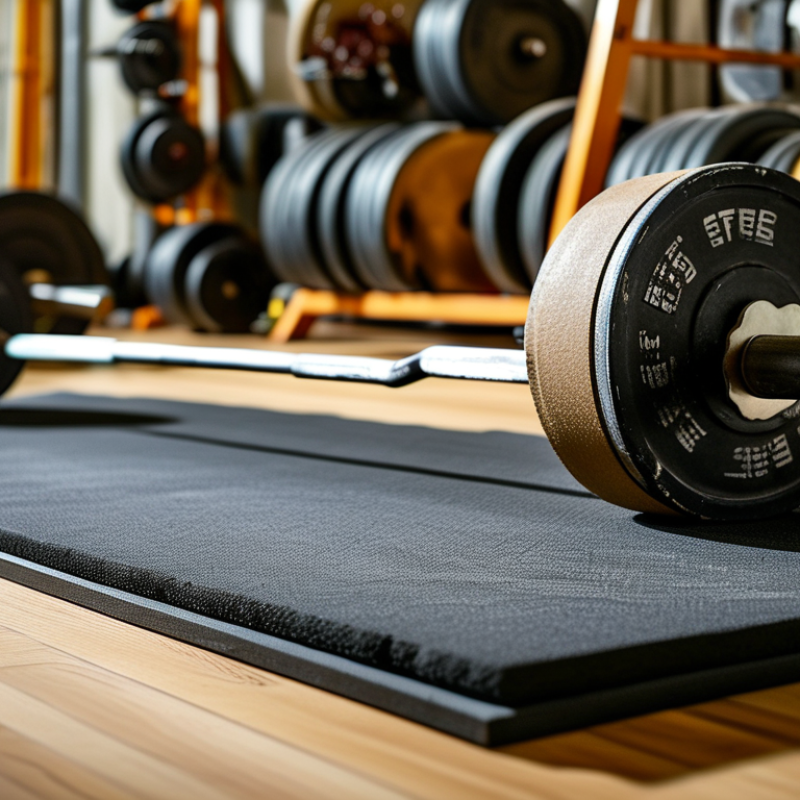
Weight Floor Mats provide protection for your floors while also giving you a stable surface to lift weights. They absorb shock, reduce noise, and prevent equipment from slipping. Yet, many gym-goers overlook their importance. This can lead to injuries or damage to floors, raising concerns about costs and safety.

Finding the best Weight Floor Mats requires understanding the needs of your space. Some mats are thick, designed for heavy lifting, while others are lightweight for cardio setups. Reflecting on your specific requirements is vital. While it may seem an easy decision, a wrong choice can lead to frustration or even accidents. Investing time in selecting the right mat is crucial for a safe workout environment.
Best Weight Floor Mats for Optimal Performance and Safety?

Choosing the Right Material for Weight Floor Mats

When selecting weight floor mats, material choice is critical. Rubber mats are popular in gyms due to their durability and shock-absorbing properties. According to a report by the International Sports Sciences Association, rubber can reduce impact noise by up to 25%. This is significant for both workout effectiveness and comfort. However, not all rubber mats are created equal. Variations exist that can affect performance and safety.

Foam mats are another option. They are light and easy to install, making them suitable for home gyms. The National Academy of Sports Medicine points out that foam provides less protective cushioning compared to rubber. This may not be ideal for high-intensity workouts. Users often report discomfort with thinner foam options, which can lead to injury risk.

Vinyl mats combine durability with ease of cleaning. They resist moisture and are often used in commercial settings. However, vinyl lacks shock absorption. A study found that 30% of gym-goers experienced joint strain on less cushioned surfaces. It's essential to assess the specific needs of your workout space before choosing a material. Reflecting on the trade-offs can guide you to a more informed decision.

Understanding Thickness and Density for Optimal Performance

Choosing the right weight floor mats is essential for performance and safety. Thickness and density play significant roles in how well these mats function. A thicker mat generally provides better shock absorption, reducing the impact on joints during workouts. This can be particularly important for weightlifting, where heavy loads create intense pressure on the body.

However, thickness isn't everything. Density also matters. A high-density mat offers greater durability and stability. It can withstand heavy equipment without losing shape or support. Some users may find that thicker mats feel softer but can compromise stability. Finding the balance requires careful consideration of your specific needs.

Not everyone is aware of how these factors affect performance. Some might prefer thicker mats for comfort, only to realize the lack of support impacts their lifts. Others may choose a dense mat but find it too hard for cardio workouts. Examining personal preferences and workout styles is crucial for optimal results. Each individual may need to experiment to discover what combination works best for them.

Best Weight Floor Mats for Optimal Performance and Safety

Material Thickness (inches) Density (lbs/ft³) Shock Absorption Water Resistance
Rubber 0.5 55 Excellent Yes
Foam 1.0 30 Good No
Vinyl 0.25 40 Fair Yes
Carpet 0.75 25 Average No
Interlocking Tiles 0.5 50 Excellent Yes

Evaluating Slip Resistance Features for Safety

When choosing weight floor mats, slip resistance is paramount for safety. A mat's surface texture plays a crucial role in preventing slips during heavy lifts. Mats designed with grooves or a high-friction material greatly reduce the risk of accidents. Without proper slip resistance, even the most seasoned athletes can lose balance and injure themselves.

Tips: Always check the manufacturer's specifications to gauge slip resistance. Look for mats tested in various conditions. It’s essential to assess how a mat performs under the weight you typically use.

An effective mat must also remain stable under pressure. Thin mats may slide or warp when heavy weights are dropped. This instability can be dangerous. Select mats that stay in place, ensuring a solid foundation for each lift. Pay attention to user reviews for real-world experiences on durability and performance.

Too often, people underestimate the importance of mat maintenance. Regularly inspect your mats for wear and tear. Cleaning them can also improve grip. A clean surface can greatly enhance safety and performance, allowing you to focus on your workout without worry.

Best Weight Floor Mats for Optimal Performance and Safety

This chart displays the slip resistance coefficients of various weight floor mats. A higher coefficient indicates better slip resistance, contributing to optimal performance and safety during use.

Maintaining and Cleaning Your Weight Floor Mats Effectively

Maintaining and cleaning weight floor mats is crucial for maximizing their lifespan and safety. Regular upkeep can prevent damage and ensure hygiene in your workout space. Start by vacuuming the mats weekly to eliminate dirt and debris. This will protect the surface and provide a clear workout area.

In addition to vacuuming, spot cleaning should be done promptly. Use a mild detergent mixed with water for effective cleaning. Avoid using harsh chemicals that may damage the mats. This is often overlooked but important for maintaining surface integrity. Remember, neglecting proper cleaning can lead to bacteria and odors over time.

For deeper cleaning, consider using a steam cleaner every few months. This helps lift stubborn stains and sanitizes the surfaces. Drying the mats thoroughly is essential. Damp mats can lead to mold growth, which poses health risks. Regular maintenance habits will enhance the performance and longevity of your mats, ensuring a safer workout environment.

Top Brands and Products Recommended for Weight Floor Mats

When choosing weight floor mats, durability and safety are crucial. The right mat can significantly impact performance and provide a safe workout environment. Studies suggest that the right flooring can reduce the risk of injuries by 40%. High-quality mats absorb shock, reducing strain on joints.

Several top brands offer mats made from different materials, such as rubber and foam. Rubber mats tend to provide better traction and durability. Foam mats are lighter and easier to handle. Each type has its benefits, depending on your workout style.

Tip: Always consider mat thickness for added cushioning. A thicker mat can protect both your floor and your equipment. Regularly inspect your mats for wear and tear; this ensures they perform well over time.

Safety should be your priority. Research shows that mats with non-slip surfaces enhance grip. This feature prevents accidents during vigorous activities. Remember, a good mat can be an investment in your safety and performance.