Best Weight Lifting Mats Tips for Your Home Gym Setup?
Creating a home gym requires careful consideration, especially when it comes to selecting the right flooring. Weight Lifting Mats are essential for any serious weightlifter. According to a recent report from the National Strength and Conditioning Association, using appropriate flooring can reduce injury risk by up to 40%.
Expert Jim Lockhart, a well-known fitness consultant, emphasizes the importance of these mats. He stated, "Weight Lifting Mats not only protect your floors, but also enhance stability and safety during lifts." This highlights why investing in quality mats is non-negotiable for any workout space.
Many overlook the nuances of mat selection, sometimes choosing based on aesthetics rather than functionality. The right Weight Lifting Mats provide cushioning, grip, and durability. Without these features, your training environment can become hazardous. Reflecting on your setup choices can lead to a safer, more effective home gym experience.

Choosing the Right Material for Your Weight Lifting Mat
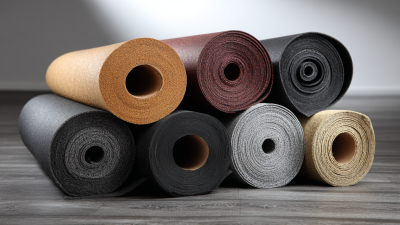
When choosing the right material for your weight lifting mat, consider your workout needs and space. Rubber is a popular choice because it’s durable and good at absorbing shock. It prevents the floor from getting damaged, and it’s easy to clean. However, rubber can sometimes have a strong odor. Proper ventilation is necessary to avoid feeling overwhelmed.
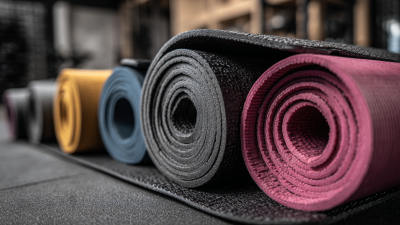
Foam mats are another option. They are lighter and often provide extra cushioning. This can be beneficial for floor exercises. Yet, foam may not hold up as well under heavy weights. It can compress over time, leading to uneven surfaces. A balance is crucial when selecting a mat.
Vinyl mats are also available and can offer moisture resistance. They are easy to wipe down and may last long. However, they might not be as cushioned. If comfort is important, consider your specific workouts. Each material has its strengths and weaknesses. Finding what suits your space can be a trial and error process.
Best Weight Lifting Mats Tips for Your Home Gym Setup
| Material |
Durability |
Shock Absorption |
Water Resistance |
Price Range |
| Rubber |
High |
Excellent |
Good |
$50 - $150 |
| Foam |
Moderate |
Good |
Fair |
$25 - $100 |
| Vinyl |
Low |
Fair |
Excellent |
$20 - $80 |
| Carpet |
Moderate |
Low |
Fair |
$30 - $120 |
| Cork |
High |
Good |
Good |
$40 - $140 |
Understanding the Benefits of Using Weight Lifting Mats
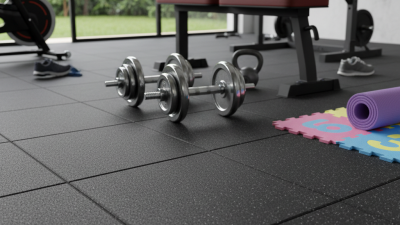
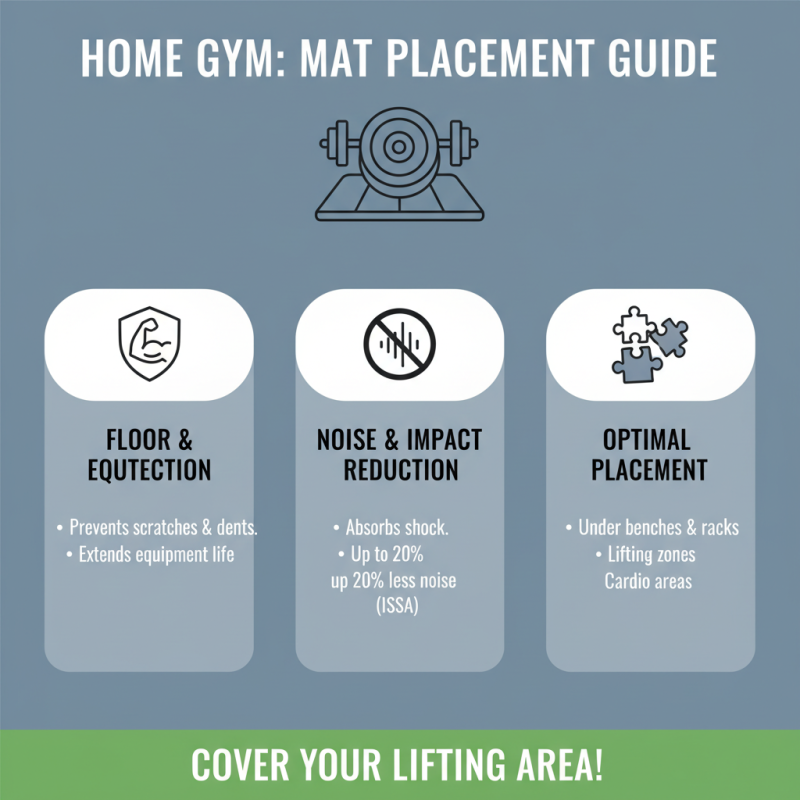
Weight lifting mats provide significant benefits for home gym setups. They create a safe and stable environment for workouts. A study from the National Academy of Sports Medicine highlights that flooring can absorb up to 80% of the impact from dropped weights. This means fewer injuries and longer-lasting equipment.
Using mats can also reduce noise. Weight training often leads to clanking sounds. A fitness industry report shows that noise reduction can improve the workout experience. The right mat can diminish sound by up to 75%. This is crucial for shared living spaces or apartments.
Choosing the right mat is essential. Thickness and material play a pivotal role. Some may prefer rubber for durability, while others favor foam for comfort. Life is all about balance. Not everyone may find the perfect fit right away. This trial and error can be frustrating, but it’s a necessary part of building a home gym. It's important to reflect on personal needs and workout styles when selecting a mat.
Benefits of Using Weight Lifting Mats
Evaluating Size and Thickness for Optimal Performance
When selecting weight lifting mats for your home gym, size and thickness matter greatly. Mats should be large enough to cover the area where you lift and provide stability. A standard size might range from 4x6 feet to 8x8 feet.
Larger mats can accommodate multi-station setups.
But, be cautious; if it’s too large, it may be challenging to move around.
Thickness also plays a crucial role. A thickness of half an inch is common, but thicker mats can provide better cushioning. This is particularly important when performing heavy lifts, as extra thickness can absorb impact and reduce stress on your joints.
Nonetheless, overly thick mats might feel unsteady. You may not get the foot grip needed for deadlifts or squats.
Finding the right balance can be tricky. Maybe you like a thick mat for comfort, but it might hinder your performance.
On the flip side, too little cushioning can lead to injuries over time. Test different options in-store if possible. Remember, a mat that works for someone else might not suit you.
Tailor your choice to your personal lifting style and preferences.
Maintaining and Cleaning Your Weight Lifting Mats
When creating a home gym, maintaining and cleaning your weight lifting mats is essential. These mats protect your floor and provide a safe workout surface. Over time, sweat, dust, and dirt can accumulate. Regular cleaning will keep your mats in good shape and prolong their lifespan.
Start by vacuuming or sweeping the mats to remove debris. This step is crucial to avoid scratches. Use a damp cloth or mop with mild soap for deeper cleaning. Rinse with water and let the mats air dry. Avoid harsh chemicals; they can damage the surface. If stains occur, you may need to scrub lightly. Don't be too aggressive; it can wear down the material.
Here are some tips:
- Keep a designated cleaning schedule.
- Consider cleaning after each workout. This will prevent buildup.
- Check for signs of wear and replace them when necessary.
Remember, a clean mat creates a better workout environment. It’s not just about aesthetics; it’s about health too. Regular maintenance reflects your commitment to your fitness journey.