How to Choose the Best PVC Gym Flooring for Your Space?
Choosing the right PVC gym flooring can greatly impact your workout experience. As John Smith, a renowned expert in the fitness flooring industry, states, "The right flooring not only enhances safety but also boosts performance." This advice underscores the importance of selecting the perfect material for your gym.
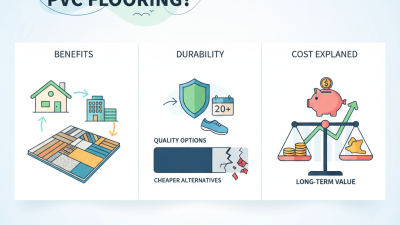
PVC gym flooring comes in various textures and thicknesses. These options can influence grip and durability. Not all PVC flooring is equal. Sometimes, cheaper options might not hold up under heavy use. It's essential to think critically about the specific needs of your space before deciding.
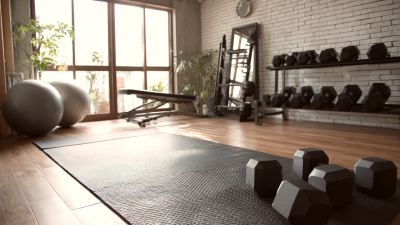
Consider your gym's activities. Will it host high-impact workouts or gentle yoga sessions? Each requires different flooring properties. Reflect on how often you plan to clean the floor and its resistance to stains. Balancing aesthetics with functionality is crucial. Remember, the best PVC gym flooring is one that meets your unique requirements while ensuring safety and comfort.

Understanding the Advantages of PVC Gym Flooring for Impact Resistance
Choosing the right flooring for your gym is crucial. PVC gym flooring stands out for its impact resistance. This feature is essential for protecting both users and the flooring itself. According to a report by the National Academy of Sports Medicine, improper flooring can lead to injuries.
PVC flooring absorbs shocks efficiently. This capability minimizes the risks associated with high-impact exercises. When weights drop or feet hit the ground, the material’s design aids in energy dispersion. Research indicates that gyms with high-impact flooring experience 30% fewer injury claims. This number reflects the real-world effectiveness of PVC solutions.
Tip: Think about your gym’s activities. High-intensity workouts need tougher flooring. However, a mismatch can lead to unexpected wear. Some PVC options may degrade faster than expected.
Another point to consider is maintenance. While PVC is durable, some varieties require special cleaning agents. This could complicate your cleaning routine. Regular maintenance is needed to maintain performance over time. Always stay informed about the upkeep required for the flooring you choose.
How to Choose the Best PVC Gym Flooring for Your Space? - Understanding the Advantages of PVC Gym Flooring for Impact Resistance
| Attribute |
Description |
Impact Resistance Rating |
| Thickness |
Generally available in thicknesses ranging from 2 mm to 10 mm. |
8/10 |
| Surface Texture |
Available in various textures to enhance grip and reduce slippage. |
7/10 |
| Installation Type |
Can be glued down, loose lay, or interlocking tiles. |
6/10 |
| Maintenance |
Easy to clean with mild soap and water; resistant to stains. |
9/10 |
| Durability |
Long-lasting material; resistant to heavy impacts. |
8/10 |
| Cost |
Cost-effective compared to other flooring options; prices vary by quality. |
7/10 |
Evaluating Different PVC Flooring Options: Thickness and Durability Factors
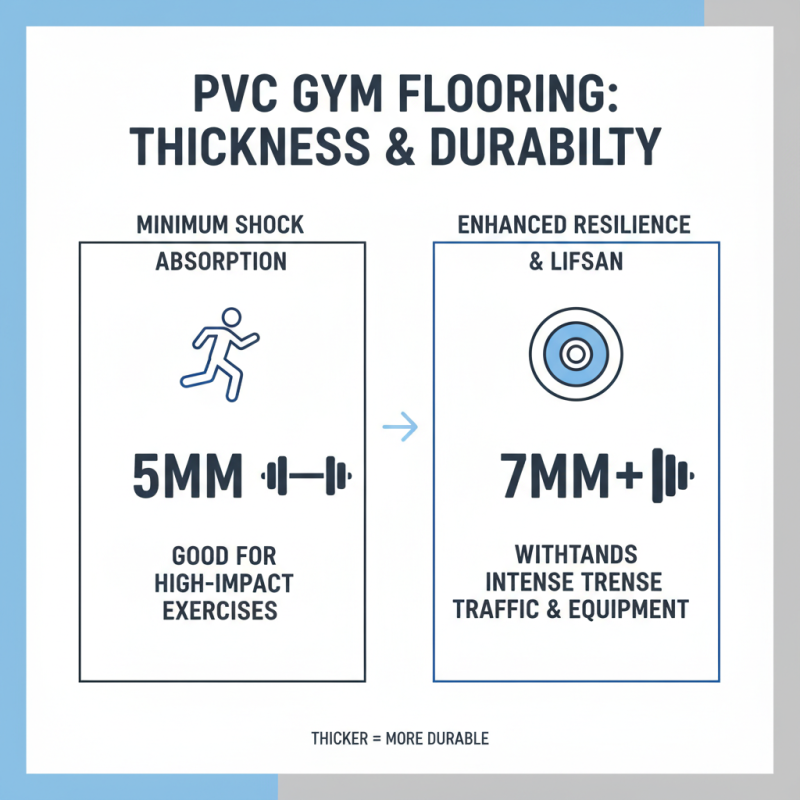
When selecting PVC gym flooring, thickness and durability are crucial factors. Reports show that a minimum thickness of 5mm offers good shock absorption, important for high-impact exercises. Thicker options can enhance resilience and lifespan. For example, a 7mm floor can withstand intense foot traffic and equipment without significant wear.
Durability plays a significant role in maintenance costs as well. A more durable floor reduces the need for frequent replacements. Studies indicate that high-quality PVC can last up to 10 years or more in gym settings. However, not all PVC is created equal. Some cheaper options may look appealing but fail in performance. They can fade or crack under pressure, leading to higher long-term expenses.
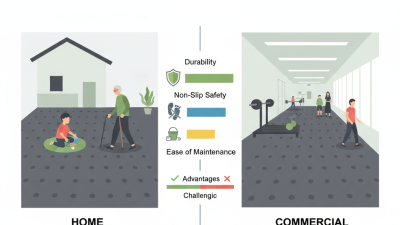
Moreover, consider how your space will be used. Areas dedicated to heavy weights require robust flooring, while dance studios benefit from softer surfaces. The wrong choice may lead to discomfort or safety issues for users. Pay attention to subfloor conditions, as they can affect how well your flooring performs over time. Always think critically about what’s best for your specific needs.
Assessing Surface Texture for Safety and Traction in Gym Environments
When selecting PVC gym flooring, the surface texture is critical for safety and traction. A smooth surface may seem appealing, but it can be slippery, especially in high-intensity workouts. Look for textures that provide grip. Textured surfaces help reduce the risk of slips and falls. Consider the types of activities performed in your gym space. For weightlifting or yoga, a firmer surface is often suitable.
Evaluating the texture should not be overlooked. Some gym-goers may prefer a softer feel underfoot, while others need firmer support. This can lead to mixed feedback. It’s essential to balance comfort and safety. An uneven texture may disrupt workouts. Regular testing and user feedback can guide better choices. The goal is to create an inviting space that feels secure.
Ultimately, the right surface texture enhances performance. Think about how it affects movement. Install a sample, and take time to assess it during various activities. Listen to the opinions of your fitness community. Their experiences can reveal hidden issues and improve your choice.
Understanding Cost vs. Longevity in PVC Gym Flooring Investment
Investing in PVC gym flooring requires a careful analysis of cost and longevity. Many assume that the cheapest option is the best. However, lower prices can lead to higher long-term costs.
Think about frequent replacements and maintenance needs. They can add up quickly. A solid investment today can save you time and money tomorrow.
Quality PVC flooring often comes with a higher initial cost. Yet, it typically lasts longer and provides better performance.
It can withstand heavy weights and continuous use. When evaluating options, consider the warranty period offered.
A longer warranty reflects the manufacturer’s confidence in durability.
Worn-out flooring can become a safety hazard. Think about potential injuries from slips or falls on damaged surfaces.
Scratches and stains can make your gym look unprofessional. Longevity is more than just a good deal.
It’s about creating a safe and inviting environment. Research, compare, and invest wisely for long-term benefits.
Identifying Environmental and Health Standards for PVC Flooring Materials
When selecting PVC gym flooring, environmental and health standards play a crucial role. Many materials claim to be safe, but not all meet rigorous testing. It's essential to look for certifications that demonstrate compliance with health regulations. Materials should not emit harmful volatile organic compounds (VOCs). Choose options that undergo regular testing for such toxins to ensure your indoor air quality remains healthy.
Not every flooring option lives up to its promises. You might find some PVC products are made with questionable additives. These can lead to long-term health risks. Research the manufacturing processes. Ask about the sourcing of raw materials. Transparency is key in choosing flooring built with fitness and health in mind.
Every gym space is unique. Consider factors such as high-impact activities versus light workouts. Your flooring material should match your specific needs while adhering to safety standards. Occasionally, a product may look appealing but might not perform well under the strain of heavy use. Always evaluate and reflect on choices to ensure they are the best fit for your environment.