How to Choose the Best Rubber Floor for Your Needs?
Choosing the right Rubber Floor can profoundly impact your space. With numerous options available, it's crucial to consider your specific needs. Rubber Flooring offers durability, safety, and comfort. However, selecting the best fit requires careful thought.
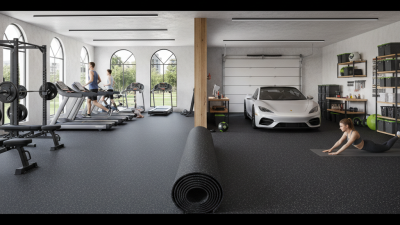
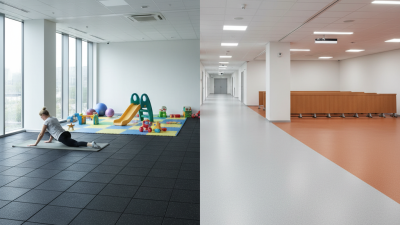
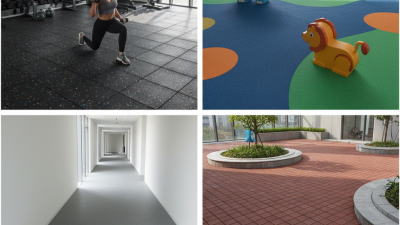
Many factors influence your choice. Think about where you plan to install the Rubber Floor. Consider the foot traffic, moisture levels, and intended use. For example, a gym requires something different than a children's playroom. Each environment presents unique challenges and requirements.
Remember, not every Rubber Floor is the same. Quality varies widely among brands. Research is essential to avoid common pitfalls. Searching for reliable reviews can help you make better decisions. Seek guidance from experts if possible. Ultimately, the best choice should blend functionality with aesthetic appeal, ensuring your space is both practical and inviting.
Consider Your Space Requirements and Usage Needs
When choosing rubber flooring, it's essential to consider your space requirements. Think about the size of the area you plan to cover. If it's a small room, you might opt for roll-out flooring. Larger spaces could benefit from tile options, offering versatile design. Measure accurately to avoid ordering too much or too little. This helps in managing costs and waste.
Next, evaluate your usage needs. Consider who uses the space. High-traffic areas, like gyms or playrooms, require durable options. For residential settings, softer surfaces might be preferred for comfort. Reflect on activities within the space. Will kids play there? Do you need anti-slip protection? Each of these factors greatly impacts your decision.
Lastly, don't forget maintenance. Some rubber floors need regular cleaning, while others are low-maintenance. Think about your commitment to upkeep. This might influence your choice. Remember, choosing the right flooring isn’t just about aesthetic appeal; it’s also about functionality and long-term satisfaction.
Evaluate Different Types of Rubber Flooring Materials
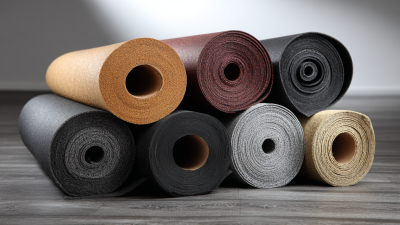
When choosing rubber flooring materials, it's essential to evaluate the various options available. Rubber flooring comes in multiple types, each with unique characteristics. Common materials include natural rubber and synthetic rubber, which can vary in performance and durability. According to a recent industry report, natural rubber flooring often excels in resilience but may not withstand heavy chemical exposure. In contrast, synthetic options tend to be more versatile and easier to maintain.
Understanding the performance attributes of each type is crucial. Studies reveal that rubber flooring can significantly reduce noise levels, making it ideal for gyms and play areas. The sound reduction can reach up to 25 decibels, enhancing comfort in high-traffic spaces. Additionally, slip resistance is a vital factor. Textured rubber surfaces can provide 20% more grip in wet conditions compared to smoother finishes. However, this increased traction may also lead to challenges during cleaning.
Aesthetic appeal cannot be overlooked either. Many consumers desire a balance of function and appearance. Customization options are available, with colors and patterns to suit various design preferences. While aesthetics are important, ensure the material's performance aligns with your needs. Reflect on your specific application and environment. The right choice may involve trade-offs between appearance and practicality.
Analyze Durability and Maintenance Factors
When it comes to choosing rubber flooring, durability and maintenance are key factors to consider. According to a report by the Rubber Manufacturers Association, rubber floors can last over 20 years with proper care. On the other hand, neglect can lead to wear and tear, resulting in costly replacements. A study from Flooring Magazine shows that regular maintenance can extend the life of rubber floors by up to 30%.
One crucial tip is to select a high-quality rubber flooring that can withstand high foot traffic. Lower-quality materials may not endure everyday use well. Another important aspect is cleaning. A simple regimen of sweeping and mopping with a mild detergent can work wonders. Avoid harsh chemicals; they can damage the flooring over time.
It's worth noting that while rubber flooring can resist stains and moisture, it may require occasional deep cleaning to remove embedded dirt. Pay attention to the floor’s texture. Smooth surfaces are easier to clean, while textured options may hold onto dirt. Make informed choices based on your environment and needs, keeping maintenance efforts in mind.
Examine Aesthetic Options and Customization Possibilities
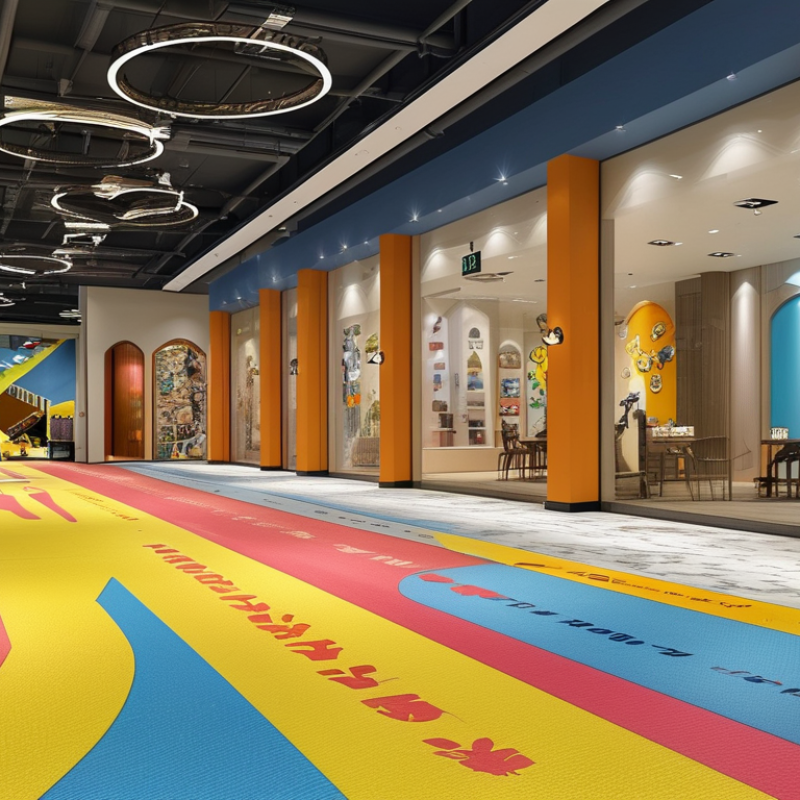
When selecting rubber flooring, aesthetics play a crucial role. Color, texture, and design significantly impact the overall ambiance of your space. You could choose from solid colors, speckled patterns, or even custom graphics. The right floor can enhance a room's vibe, whether it's for a gym, playroom, or commercial setting. Think about how these elements will blend with your existing decor.
Customization is another essential aspect to consider. Many rubber floors offer the option to cut shapes or layouts that fit your specific dimensions. This flexibility can result in a unique look tailored just for you. It's important to reflect on your needs and goals. Consider how a personalized design can affect not only the aesthetics but also functionality. A well-thought-out design can contribute to better safety and comfort in your environment.
While the choices may seem overwhelming, diving into available options can spark creativity. Yet, you might find it challenging to narrow down your preferences. Try to visualize your space with different styles. Sometimes, the most visually appealing choice may not suit your practical needs. Balancing form and function is key to making the right decision.
Comparison of Aesthetic Options for Rubber Flooring
Set a Budget and Compare Cost-Effectiveness of Options
When choosing rubber flooring, it's vital to set a budget. This helps narrow down options efficiently. According to industry reports, rubber flooring prices typically range from $1.50 to $5.00 per square foot. Each product's price should reflect its durability, comfort, and ease of maintenance. Think about your specific needs. For instance, commercial spaces might require thicker, more resilient materials.
Cost-effectiveness also varies. Some lower-priced options may wear out quickly, leading to higher replacement costs. A study by the Resilient Floor Covering Institute indicated that high-quality rubber flooring could last up to 25 years. This longevity often outweighs initial expenses. Assess installation costs too, as they can vary widely.
Tips for budget-friendly selection: Consider DIY installation. It can save significant labor costs. Research local suppliers for volume discounts. Compare warranties, as they often signal product reliability. You might find that spending slightly more upfront leads to better long-term value. Ultimately, balance initial costs with potential savings over time. This approach ensures your flooring decision aligns with both your financial goals and functional needs.