How to Choose the Best Rubber Flooring Tile for Your Home?
In recent years, the demand for Rubber Flooring Tile has surged, reflecting both aesthetic preferences and practical needs. According to a recent industry report by IBISWorld, the rubber flooring industry is projected to grow by 6.7% annually through 2025. This growth highlights the increasing popularity of resilient, durable, and eco-friendly flooring options in residential spaces.
“Choosing the right flooring can significantly impact your home’s overall feel,” says John Smith, a flooring expert with over 20 years of experience in the industry. His insight emphasizes the importance of selecting suitable materials that meet both functional and design criteria. Rubber flooring tiles not only provide comfort underfoot but also enhance safety and reduce noise.
Yet, many homeowners struggle with this decision. The variety of colors, textures, and thickness can be overwhelming. While Rubber Flooring Tile offers numerous benefits, considering your specific needs and lifestyle is crucial. Reflecting on these aspects can help create an ideal living space, balancing style and practicality.
Understanding the Benefits of Rubber Flooring Tiles for Your Home
Rubber flooring tiles provide numerous benefits for home use. One significant advantage is their
durability. They withstand heavy foot traffic well, making them ideal
for busy areas. Whether it's an entryway or a playroom, rubber tiles can handle the wear and tear.
Additionally, they are resistant to moisture, which reduces the risk of mold
and mildew. This quality is especially important for kitchens and bathrooms.
Another advantage is the comfort rubber flooring offers.
The cushioning effect provides a soft surface to walk on. This is particularly beneficial in spaces where you
stand for long periods, such as the kitchen. However, not all rubber tiles are created equal. Some might
lack the necessary grip and can become slippery when wet. Choosing the right tile
means considering texture and finish.
Ease of maintenance is also noteworthy. Rubber flooring can be cleaned effortlessly with a damp mop.
Unlike other flooring options, it does not require specialized cleaning products. Yet, it’s essential to
be cautious with abrasive materials that could
damage the surface. While these tiles present many benefits, understanding their limitations ensures a
more informed decision for your home.
Identifying Your Specific Needs for Rubber Flooring in Different Areas
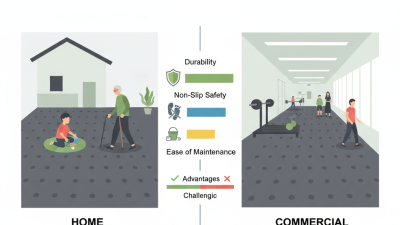
When selecting rubber flooring tiles, it is crucial to pinpoint your specific needs based on the area of installation. For instance, high-traffic zones like hallways and kitchens require durable, slip-resistant options. According to a report by the Rubber Flooring Association, over 75% of homeowners prioritize safety in these spaces. A textured surface can mitigate slips, enhancing overall safety for families.
Consider the environmental aspects as well. Rubber flooring can be sourced from recycled materials, promoting sustainability. Some studies indicate that using recycled rubber can reduce waste by up to 30%. Each room in your home has different requirements. A gym area might need a thicker tile to absorb shock, improving comfort and reducing joint strain. In contrast, an entryway may benefit from thinner tiles that are easier to clean and maintain.
Aesthetic appeal matters too. The right color and design can transform a space. Many homeowners report that visually appealing floors increase overall satisfaction with home interiors. However, balancing aesthetics with functionality is often challenging. Some find that certain styles make cleaning more difficult. Assessing your personal preferences against practical needs is essential for making the best decision.
Evaluating Different Types and Textures of Rubber Flooring Tiles
When choosing rubber flooring tiles, consider the different types and textures available. Each type serves specific needs and environments.
Smooth tiles are easy to clean and maintain, making them ideal for areas with high foot traffic. They give a sleek and modern look. However, they can lack grip when wet, which might pose safety issues.
Textured tiles offer improved traction, perfect for gyms or play areas. Patterns can enhance aesthetic appeal too.
However, they may accumulate dirt and require more frequent cleaning. Different thickness levels also impact durability and comfort underfoot. Thicker tiles often provide better cushioning, but they can be pricier.
Try to visually balance the colors and designs with your home’s interior. It's essential to reflect on how each choice will affect overall comfort and functionality.
Experimenting with samples at home can help you visualize the end result better. Remember to assess how your daily activities will interact with the flooring decision.
Considering Installation Methods and Maintenance for Rubber Flooring
Choosing rubber flooring for your home involves careful consideration of installation methods and ongoing maintenance. Rubber tiles can be installed through interlocking systems, glue-down techniques, or loose lay methods. Each option has its advantages and challenges. For instance, interlocking tiles allow for easy replacement, while glue-down installations provide seamless surfaces. Consider your skill level and the project scope before deciding.
Maintenance is crucial for the longevity of rubber flooring. Regular cleaning with mild soap and water can keep tiles looking fresh. However, using harsh chemicals can cause damage. It's essential to check for signs of wear. Scratches and dents may affect the floor's appearance over time. A professional assessment can help identify issues before they escalate.
Tips: Inspect your rubber tiles regularly for any imperfections. Addressing these can prevent further damage. Also, always test cleaning solutions in a small area first. This ensures compatibility with your flooring. Lastly, remember that while rubber flooring is durable, it's not indestructible. Be mindful of heavy furniture and avoid dragging items across the surface.
Budgeting for Your Rubber Flooring Project: Costs and Value Analysis
When budgeting for rubber flooring, consider initial costs versus long-term value. Rubber flooring can range from $2 to $10 per square foot, depending on type and quality. A detailed cost analysis reveals that investing in higher-quality tiles may yield better durability and lifespan. Research indicates that quality rubber flooring lasts up to 20 years, reducing replacement frequency and overall expenses.
Installation costs also impact your budget. Professional installation can add $1 to $3 per square foot. Yet, many homeowners opt for DIY. This approach saves a considerable amount but requires adequate preparation. Potential pitfalls include improper installation, which can lead to costly repairs later.
Beyond upfront costs, consider the flooring's value over time. Rubber tiles offer excellent sound insulation and are slip-resistant, enhancing safety and comfort. According to industry reports, homes with rubber flooring can increase resale value by up to 5%. Balancing costs and long-term benefits is essential for making an informed choice. Prioritizing durability and functionality helps ensure your investment pays off in the long run.
Budget Analysis for Rubber Flooring Tiles