How to Choose the Best Rubber Tiles for Your Project?
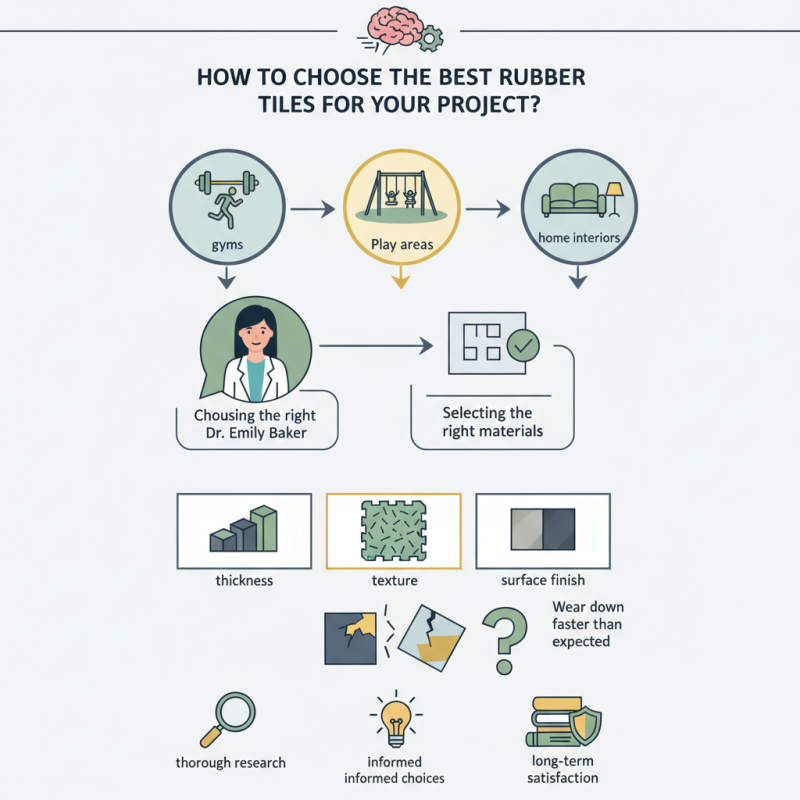
Choosing the right Rubber Tile for your project can be overwhelming. With numerous options available, it's essential to understand specific needs. Industry expert Dr. Emily Baker emphasizes, “Selecting the right materials can dramatically influence your project's success.”
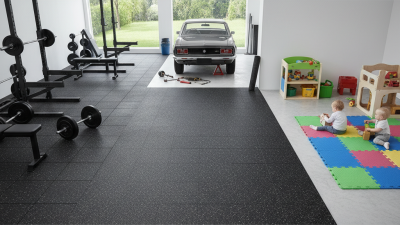
Rubber Tiles offer durability, comfort, and versatility. They are suitable for gyms, play areas, and even home interiors. However, not all tiles are created equal. Consider factors like thickness, texture, and surface finish. A rubber tile that works for one application may not suit another, leading to costly mistakes.
Reflecting on personal experiences with Rubber Tiles can also provide insight. Colors fade, and certain types can wear down faster than expected. This highlights the importance of thorough research and informed choices. Each project deserves careful evaluation to ensure the right fit and long-term satisfaction.
Understanding Different Types of Rubber Tiles: A Comprehensive Guide
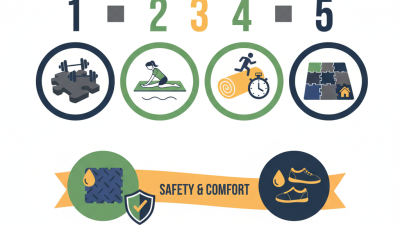
When selecting rubber tiles, understanding the different types available is essential. Rubber tiles come in various forms, such as interlocking, rolled, and square tiles. Each type has unique features that cater to specific needs. For example, interlocking tiles are excellent for easy installation and customization in workout spaces. Rolled rubber provides a seamless look, making it ideal for large areas. Square tiles can be more versatile in design, allowing for creative patterns.
Tips: Consider the tile's thickness. Thicker tiles often offer more cushioning, important for gym floors. If your area has heavy traffic, choose durable options.
It’s important to think about the surface texture. Some tiles provide better grip, which enhances safety, especially in areas prone to moisture like gyms or poolside. Reflect on your space's aesthetics too. The color and design can impact the overall ambiance.
Tips: Always order samples before purchasing large quantities. This step helps ensure the tiles meet your expectations in terms of look and feel. Don't overlook maintenance requirements, either; different tiles may need various levels of upkeep over time.
Key Factors to Consider When Choosing Rubber Tiles for Various Applications
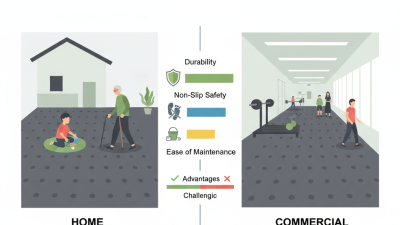
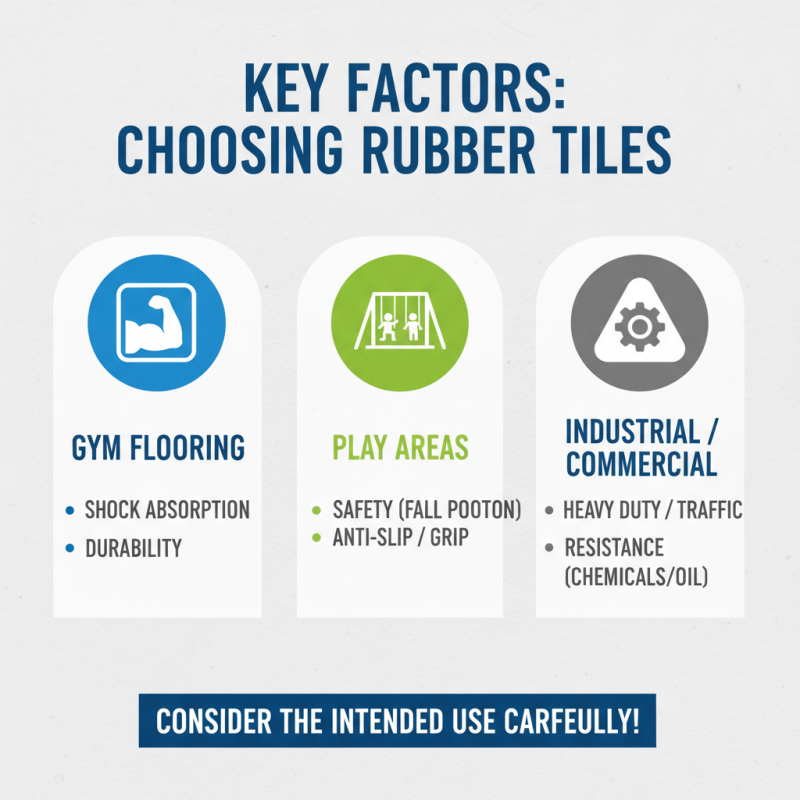
When selecting rubber tiles for your project, consider the specific application. Different environments demand distinct properties. For example, tiles used in gyms need to absorb shock effectively, while those in play areas should prioritize safety and grip. Assess the intended use carefully.
Durability is another crucial factor. High-traffic areas require tougher tiles that can withstand wear and tear. Look for tiles that offer good resistance to abrasions and impacts. Check the tiles' lifespan ratings. This may reflect their long-term reliability.
Color and design also play a role. Choose colors that align with your aesthetic vision. Tiles come in various patterns and hues. However, avoid overly complex designs, as they may not age well. Ensure the tiles meet your functional needs while keeping the space visually appealing. Always do a sample test when possible to evaluate performance and suitability before making a final choice.
Evaluating Durability and Performance Metrics of Rubber Tile Materials
When selecting rubber tiles, durability is crucial. This material must withstand heavy foot traffic and impacts. Look for tiles that offer abrasion resistance. Resilience is another metric to consider. The ability to return to its original shape after compression is key for performance. A well-tested tile can endure various conditions, ensuring longevity.
Performance metrics are critical too. Assess water and slip resistance. These factors contribute to safety. A good tile should not retain moisture, reducing mold risk. Density and thickness also play a role in durability. Thicker tiles usually provide better cushioning and noise reduction.
It's essential to weigh the pros and cons of your options. Not all rubber tiles are equally suited for every environment. Some may perform better indoors than outdoors. Reflect on your specific needs before making a choice. Take time to review technical specifications to ensure the right fit for your project.
Analyzing Cost-Effectiveness: Price vs. Quality in Rubber Tiles Selection
When selecting rubber tiles, cost-effectiveness plays a crucial role. A study by the Rubber Flooring Association found that quality rubber tiles can last between 10 to 20 years, reducing the need for frequent replacements. However, many projects falter when choosing cheaper options without considering longevity. This leads to higher costs in the long run.
Price versus quality is often the key debate in rubber tile selection. According to a report by Market Research Future, premium rubber tiles may be 20% more expensive upfront, but their durability can save up to 30% on maintenance costs over time. A cheap option might be appealing, but hidden expenses can add up quickly. The initial investment should align with long-term goals for sustainability and performance.
Investing in high-quality rubber tiles may require more upfront capital but can reduce operational costs significantly. Conversely, choosing lower-priced materials may seem beneficial now but could result in more frequent repairs. Thus, reflecting on cost versus quality is essential for anyone undertaking a project that involves rubber tiles.
How to Choose the Best Rubber Tiles for Your Project?
| Tile Type |
Thickness (mm) |
Price per Sq Ft ($) |
Durability Rating |
Slip Resistance Rating |
Ideal Use |
| Interlocking Tiles |
15 |
3.50 |
High |
Good |
Fitness Centers |
| Roller Tiles |
25 |
2.80 |
Medium |
High |
Playgrounds |
| Square Tiles |
20 |
4.00 |
Very High |
Excellent |
Sports Facilities |
| Rubber Pavers |
30 |
5.50 |
High |
Good |
Outdoor Patios |
Sustainability and Environmental Impact of Rubber Tiles in Construction Projects
When considering rubber tiles for construction projects, sustainability is crucial. These tiles are often made from recycled materials, particularly tires. According to a report by the Environmental Protection Agency, over 300 million tires are discarded annually in the U.S. alone. Utilizing these tires in flooring reduces waste and minimizes landfill impact.
Moreover, rubber tiles are durable and can last up to 30 years. This longevity means fewer replacements, which can lead to lower resource consumption. However, not all rubber tiles are created equal. Some may contain harmful chemicals during production. It's essential to choose products with certifications, such as Greenguard, to ensure safety and environmental friendliness.
While rubber tiles can be an eco-friendly choice, there are concerns. The production process can involve high energy consumption. The transportation of rubber tiles also leaves a carbon footprint. Therefore, sourcing locally can mitigate some environmental impacts. Opting for companies that promote transparency and sustainability in their manufacturing processes helps make informed decisions.