How to Choose the Best Rubber Vinyl Tiles for Your Needs?
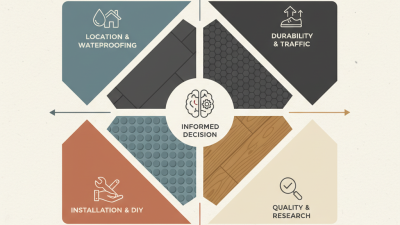
Choosing the right Rubber Vinyl Tiles for your space can be challenging. Expert designer John Smith once said, "The key to effective flooring is understanding your environment's needs." His insight emphasizes the importance of making informed decisions.
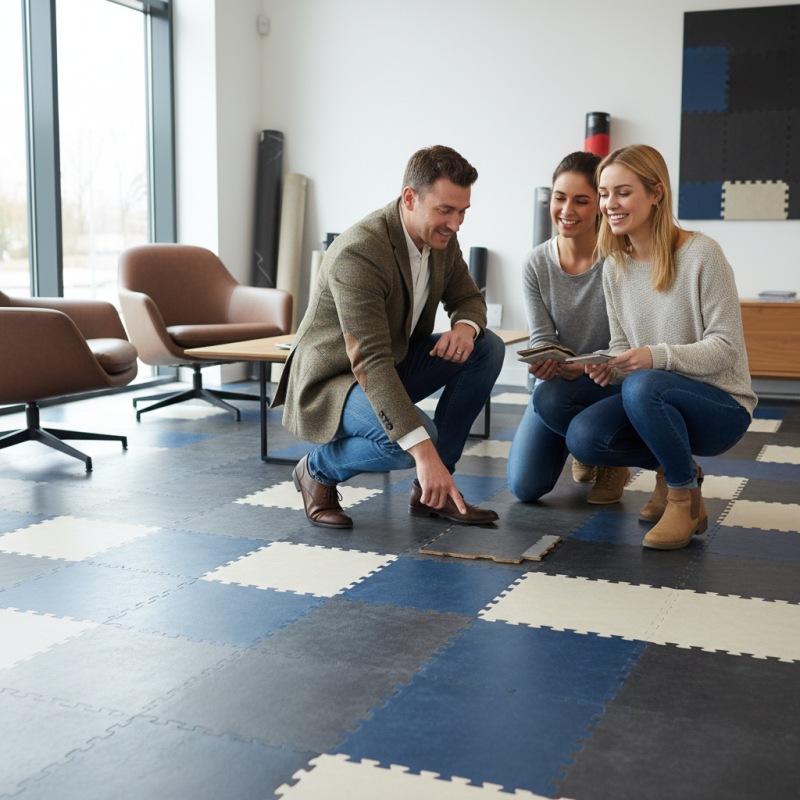
Rubber Vinyl Tiles combine durability with style. They are ideal for high-traffic areas and offer a variety of designs. This material is not just about aesthetics. You need to consider factors like comfort, maintenance, and safety. Each project presents unique challenges. Not every tile suits every need, which warrants careful selection.
Also, it’s crucial to recognize that the most expensive option may not always be the best choice. Balancing quality with budget is essential. Reflecting on your specific requirements can lead to better outcomes. Remember, choosing Rubber Vinyl Tiles is not just a purchase; it is an investment in your environment.
Understanding Different Types of Rubber Vinyl Tiles and Their Applications
When selecting rubber vinyl tiles, it's crucial to understand the various types available. Each type serves unique purposes and fits different environments. For instance, interlocking tiles offer easy installation and versatility, making them ideal for residential areas. On the other hand, adhesive-backed options provide a more permanent solution for high-traffic commercial spaces.
Consider the thickness and density of the tiles as well. Thicker tiles offer better cushioning and sound absorption, which is essential in settings like gyms or daycare facilities. Lighter options are often suitable for areas where mobility is key, such as temporary event spaces.
Tips: Always assess the specific needs of your space. Think about the foot traffic and the type of activities that will occur. Research safety ratings too. Areas prone to spills should prioritize slip-resistant tiles to prevent accidents. Keep in mind that choosing the wrong type can lead to unsatisfactory results. It's important to weigh each option carefully.
Evaluating Durability and Maintenance Factors for Rubber Vinyl Tiles
When evaluating rubber vinyl tiles, durability is paramount. Consider the material's resistance to wear and tear. High-quality tiles can withstand heavy foot traffic. This is crucial for commercial spaces or busy households. Look for options that feature a sturdy wear layer. This layer protects against scratches and dents. The thickness of the tiles also plays a significant role in their longevity. Thicker tiles typically offer better resilience.
Maintenance is another vital factor. Choosing tiles that are easy to clean can save time. Many rubber vinyl tiles require simple sweeping and occasional mopping. However, some tiles might need more intensive cleaning methods. Be sure to check the manufacturer's recommendations. Regular maintenance can prevent dirt buildup, extending the life of your flooring.
While the initial cost of rubber vinyl tiles might be higher, their durability can save you money long-term. Evaluate the return on investment through longevity and ease of care. It's essential to choose wisely, as not all products meet durability standards. Pay attention to customer reviews and expert insights. Be wary of options that seem too good to be true.
How to Choose the Best Rubber Vinyl Tiles for Your Needs? - Evaluating Durability and Maintenance Factors for Rubber Vinyl Tiles
| Feature |
Description |
Durability (Rating) |
Maintenance Level |
| Water Resistance |
Resistant to moisture and water spills |
8/10 |
Low |
| Wear Resistance |
Withstands heavy foot traffic |
9/10 |
Medium |
| Slip Resistance |
Helps prevent slips in wet conditions |
7/10 |
Low |
| Stain Resistance |
Resists staining from common spills |
8/10 |
Medium |
| Maintenance |
Requires regular cleaning, low upkeep |
N/A |
Low |
Analyzing Cost-Effectiveness and Lifespan of Rubber Vinyl Flooring Options
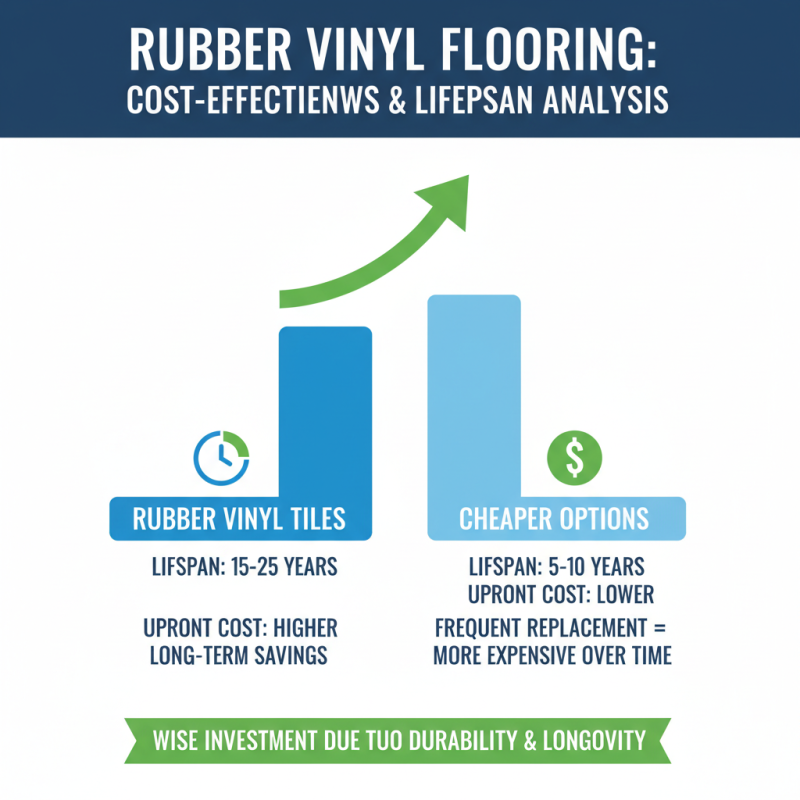
When evaluating the cost-effectiveness and lifespan of rubber vinyl flooring, several factors come into play. Research indicates that high-quality rubber vinyl tiles can last between 15 to 25 years with proper maintenance. Cost analyses show that while the upfront cost may be higher, the long-term savings from durability make it a wise investment. For instance, estimates suggest that cheaper flooring options need replacement every 5 to 10 years, increasing overall expenditure.
Tips: Always check the warranty period. A longer warranty often indicates better durability. Regular maintenance is crucial. Simple cleaning can extend the life of your flooring.
Another aspect to consider is the environmental impact. Many rubber vinyl tiles are made from recycled materials, enhancing their appeal for eco-conscious consumers. However, not all products are created equal. Be diligent in researching manufacturers' practices and verifying certifications. This can affect both cost and lifespan. A product that seems reliable may fall short in real-world usage, leading to unexpected expenses.
Tips: Consult reviews and tests from independent sources. This can provide insights into flooring performance. Take time to evaluate different options before making a choice.
Comparing Aesthetic Choices: Colors, Patterns, and Textures in Tiles
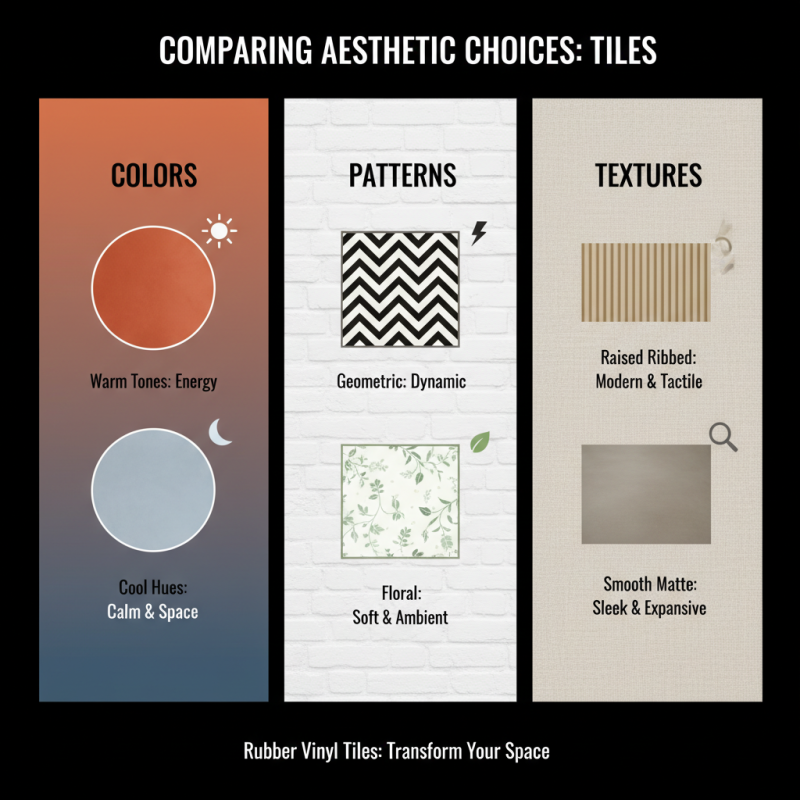
When selecting rubber vinyl tiles, aesthetics play a critical role. Each color, pattern, and texture can significantly alter a space's mood. Warm tones, like reds and oranges, evoke energy, while cool hues create calm. Think of how a light grey tile can make a small room feel more expansive. Patterns also contribute to the overall feel. Geometric designs can add dynamism, while floral motifs may introduce a softer ambiance.
Textures provide another layer of depth. A glossy finish can reflect light and create an illusion of more space. In contrast, a matte texture may offer a more understated elegance. However, some might find glossy tiles can show dirt easily, requiring frequent cleaning. Balancing aesthetic appeal with practicality is vital. Always consider how frequently the tiles will be exposed to wear and tear. Each choice should marry style with functional durability.
Exploring sample tiles can be beneficial. Bring home swatches to see how they interact with your lighting. Visualizing them in your own space helps avoid regret later. Making the right choice can transform a room, but the pressure to choose perfectly can lead to indecision. Embrace the process—sometimes, it’s about finding beauty in imperfection.
Assessing Installation Methods and Requirements for Optimal Flooring Setup
When considering rubber vinyl tiles, installation methods play a crucial role. Assessing your space is the first step. Determine if your floor is level and clean. Uneven surfaces require additional preparation. This might include leveling compounds, which can add time and cost to your project. Choose an installation method that fits your skill level. Some tiles are designed for adhesive installation, while others may be peel-and-stick.
Think about your long-term needs. Some installations may require more maintenance than others. A floating floor can be more forgiving, as it allows for expansion and contraction. However, this may not be ideal for high-traffic areas. Consider the climate, too. Humidity can affect how the tiles adhere and perform over time.
Finally, always read the manufacturer’s installation guidelines. They provide valuable information on temperature, humidity, and tools needed. Have realistic expectations regarding your DIY skills. Mistakes can happen, leading to wasted materials and time. Taking these factors into account will help you achieve a reliable and satisfying flooring setup.