Top Tips for Choosing PVC Sport Flooring for Your Space?
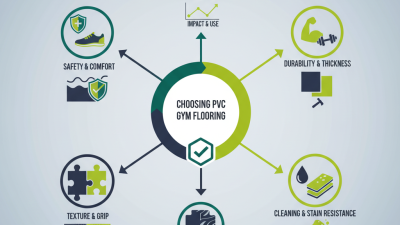
When selecting PVC sport flooring, several factors come into play. Research from the Sport & Fitness Industry Association revealed that the demand for high-performance flooring solutions is on the rise. PVC sport flooring is favored due to its durability and versatility.
Choosing the right PVC sport flooring impacts safety and performance. Not all PVC options provide the same traction or cushioning. Therefore, it is crucial to analyze your space's specific needs. For example, a gym might require a flooring solution that absorbs shock well, while a multipurpose space needs flexibility in usage.
Moreover, budget considerations cannot be ignored. High-quality PVC sport flooring often comes with a higher initial cost. However, investing in reliable flooring can lead to long-term savings in maintenance and replacements. Reflecting on these details is important for making an informed decision. In the competitive arena of sport flooring, every choice matters.
Understanding the Basics of PVC Sports Flooring Materials
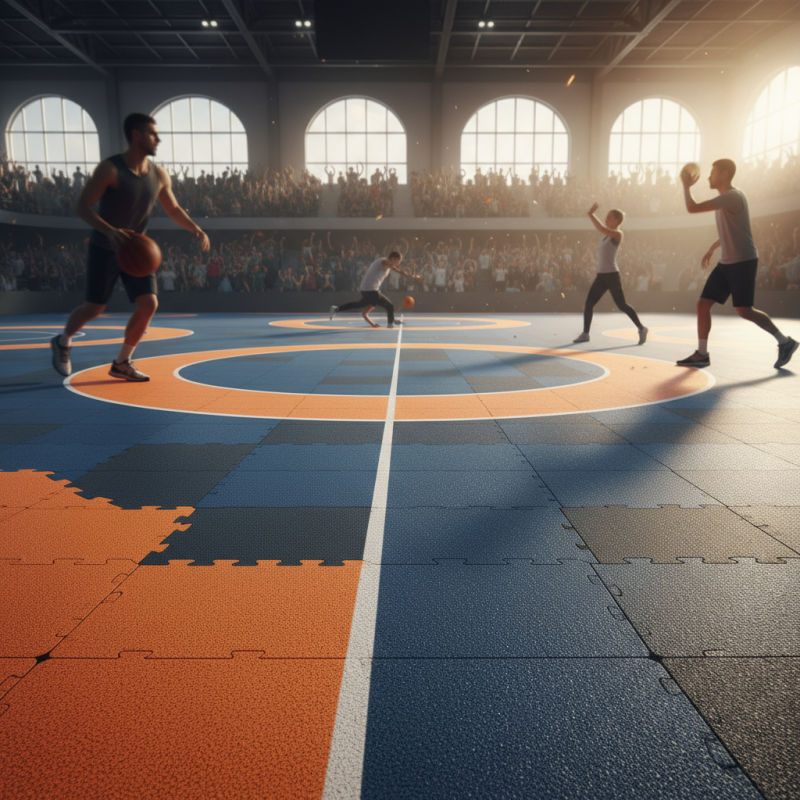
When selecting PVC sports flooring, it's vital to know the materials better.
PVC, or polyvinyl chloride, is a synthetic plastic known for its
durability and flexibility. This material offers excellent shock absorption, making it ideal for sports activities.
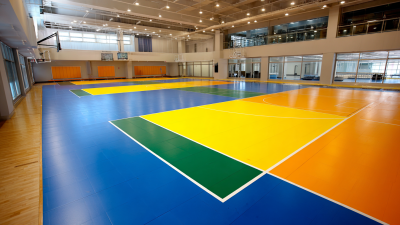
It also comes in various colors and designs, allowing you to blend the flooring with existing decor.
Another essential aspect is the thickness of the flooring. Thicker options usually provide more
cushioning and enhanced performance. Some PVC floors come with a textured surface for improved grip.
This is crucial for athletes who rely on traction.
However, budget considerations may limit choices. Choosing the cheapest option might compromise performance.
Maintenance of PVC flooring is straightforward but requires attention. Regular cleaning keeps it free from debris.
Over time, even durable materials can show wear and tear.
Careful inspection of seams and joints is necessary.
These areas can weaken and may need early repairs. Taking these factors into account can help you make a better choice.
Evaluating the Durability and Performance of PVC Flooring
When evaluating the durability and performance of PVC flooring, consider several factors. PVC sports flooring is designed to withstand high impact and foot traffic. Reports indicate it can endure over 25,000 cycles of wear without significant degradation. This makes it suitable for various sports activities, from basketball to gymnastics.
Another crucial aspect is the slip resistance of the flooring. Data shows that a coefficient of friction (COF) above 0.5 is ideal for sports applications. Achieving this can be challenging, so testing different products is essential. A smooth surface may seem appealing but can lead to safety concerns.
Moreover, the aging process of PVC floors affects long-term performance. Research suggests that continuous exposure to sunlight can lead to discoloration. This may not only impact aesthetics but also performance levels. Regular maintenance and choosing UV-resistant options can mitigate these issues. Remember that not all PVC flooring is created equal. Evaluating samples and conducting stress tests can reveal the true strength of the material.
Top Tips for Choosing PVC Sport Flooring for Your Space
| Dimension |
Description |
Durability Rating |
Ideal Use Cases |
| Thickness |
Common thicknesses are 2mm, 5mm, and 8mm. |
High |
Gyms, weight rooms |
| Slip Resistance |
Rated on a scale of wet and dry traction. |
Moderate to High |
Sport courts, studios |
| Impact Absorption |
Helps reduce injuries during physical activities. |
High |
Dance studios, multipurpose rooms |
| Water Resistance |
Resistance to moisture helps prevent mold. |
High |
Indoor pools, fitness centers |
| Maintenance Requirements |
Easy to clean; generally requires periodic waxing. |
Low |
All environments |
Considerations for Safety Features in Sports Flooring
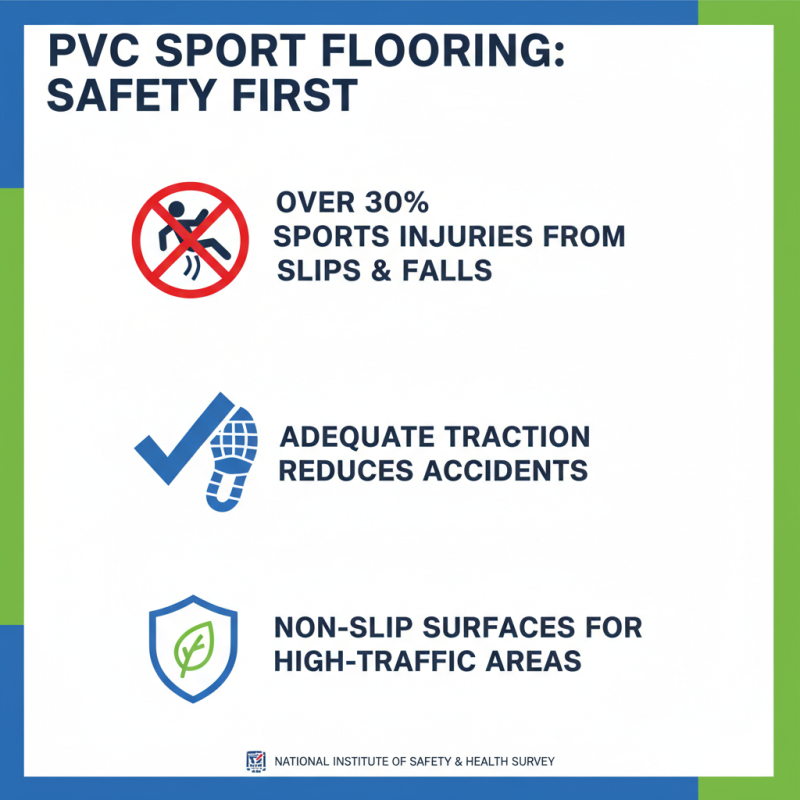
When selecting PVC sport flooring, safety features should be a primary focus. A survey from the National Institute of Safety and Health highlights that over 30% of sports injuries result from slips and falls. This statistic underscores the importance of choosing flooring with adequate traction. Non-slip surfaces can significantly reduce accidents, especially in high-traffic areas.
It's crucial to consider shock absorption as well. According to a report by the International Association of Sports Surface, flooring that offers proper cushioning can cut down on joint injuries by over 40%. Look for options that provide this essential safety feature. It’s about balance. While you want durability, it should not compromise comfort and safety.
Tip: Always check the flooring’s thickness. Thicker PVC can offer better protection and slip resistance.
Also, pay attention to the maintenance requirements of your chosen flooring. Some surfaces may require specific cleaning solutions that could affect their longevity and safety features. Evaluate how this aligns with your space's operational needs. You might find that what seems ideal in the showroom doesn't hold up as well in a real-world environment.
Recognizing the Aesthetic and Design Options for Your Space
When choosing PVC sport flooring, aesthetics play a vital role. The right color and design can enhance the overall appeal of your space. Consider the mood you want to create. Bright colors energize a room, while softer tones can provide a calming effect.
Tips: Choose colors that match your brand or theme. Have a clear vision of how you want your area to look.
Patterns and textures also add interest. Wood-like finishes can create warmth, while bold geometric patterns can energize. However, pairing too many designs can be overwhelming. Balance is key.
Tips: Experiment with samples before making a decision. Visualize how each option works in your space.
Pay attention to functionality. The look shouldn’t overshadow usability. Ensure the floor is safe for sports, easy to clean, and durable. A beautiful floor is great, but practicality matters too.
Budgeting and Installation Tips for PVC Sports Flooring
When budgeting for PVC sports flooring, consider both material and installation costs. Analyze your space to determine how much flooring you need. Measure the area accurately, as this prevents unnecessary expenses. Factor in additional materials like underlayment or adhesives for a complete installation. Always set aside a little extra budget for unexpected issues.
Installation can be tricky. You might think DIY is the way to go, but it requires skill and knowledge. Mistakes during installation can lead to costly repairs later. Hiring professionals could save time and ensure a quality finish. If you choose to do it yourself, research extensively. Watch tutorials and read guides.
Consider the long-term maintenance costs as well. PVC flooring is durable but may need regular upkeep. Check how easy it is to clean and maintain. This can significantly affect your ongoing expenses. Balancing your budget effectively with proper planning can lead to a functional and aesthetically pleasing sports space.