How to Choose the Right Weight Floor Mats for Your Gym or Home?
Choosing the right Weight Floor Mats is crucial for any gym or home workout space. Expert fitness consultant John Smith states, "Quality mats protect your floor and your equipment." This emphasizes the importance of selecting mat types that fit your specific needs.
When selecting Weight Floor Mats, consider the thickness and material. Not all mats offer the same level of protection. Some may wear out quickly, leading to added costs over time. Additionally, size matters; a mat too small won't give the coverage needed.
Think about maintenance as well. Heavy usage can lead to wear and tear. Regular upkeep is essential for longevity. Consider how mats will hold up to weightlifting and cardio workouts. Reflect on your choices, as improper mats can lead to frustration and safety issues.
Understanding the Importance of Weight Floor Mats in Fitness Spaces
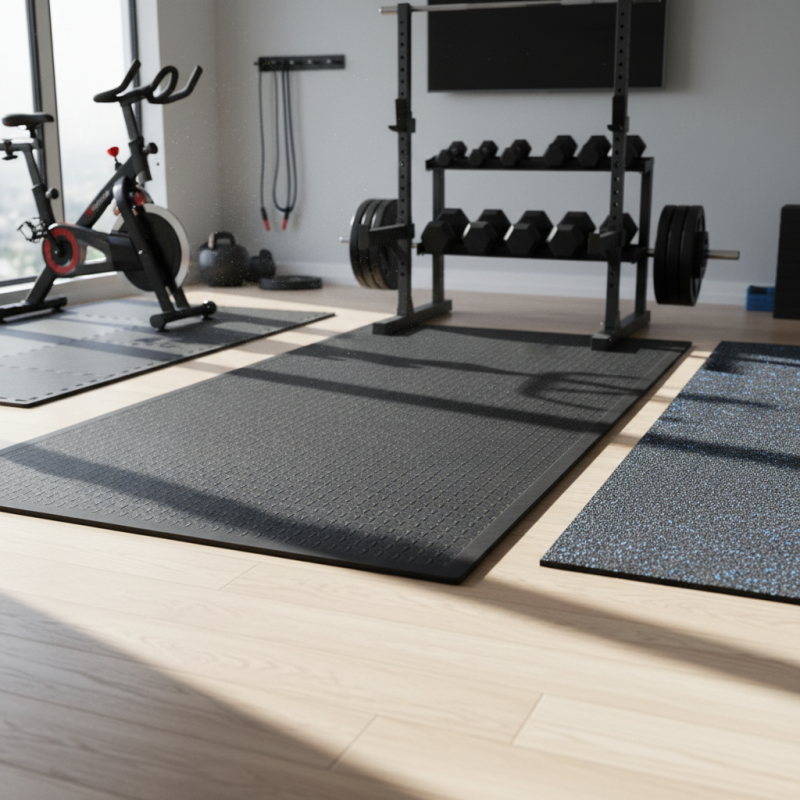
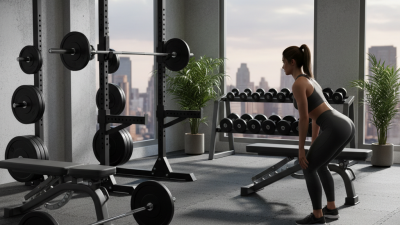
Weight floor mats play a critical role in any fitness space, whether at home or in a gym. They absorb shock, reducing noise from heavy lifting. These mats prevent damage to your flooring. A dropped weight could crack tiles or dent hardwood. The mat acts as a protective barrier.
Many overlook the importance of mats, thinking they are optional. Some may even ignore that repeated impacts can weaken underlying floors. If you have a basement gym, moisture could seep through unprotected surfaces. This could lead to mold or damage over time. Choosing the right mats helps avoid costly repairs and safety hazards.
Not all mats are created equal; material and thickness matter. A flimsy mat won't absorb shock effectively. It may also slide around during workouts. Thick rubber mats are often better for heavy weights. They provide stability and traction. Also, consider aesthetics. Your gym can be a motivational space. A well-chosen mat can enhance that environment.
How to Choose the Right Weight Floor Mats for Your Gym or Home?
| Mats Type |
Material |
Thickness |
Weight Capacity |
Ideal Use |
| Foam Mats |
EVA Foam |
1/2 inch |
Up to 200 lbs |
Home Gym, Yoga |
| Rubber Mats |
Recycled Rubber |
3/8 inch |
Up to 1000 lbs |
Weightlifting, Powerlifting |
| Interlocking Tiles |
PVC |
3/4 inch |
Up to 1500 lbs |
Multi-purpose Gym Flooring |
| Vinyl Mats |
Vinyl Coated |
1 inch |
Up to 500 lbs |
Cardio, Aerobics |
Types of Weight Floor Mats: Materials and Features Explained
When setting up a gym or home workout space, choosing the right weight floor mats is crucial. They provide protection for your floors and enhance your workout experience. There are various types of mats available, made from different materials, each with unique features.
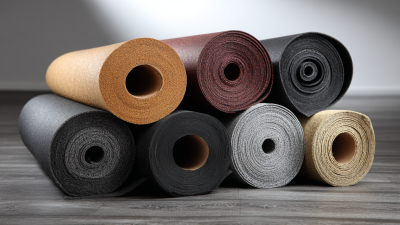
Foam mats are lightweight and offer great cushioning. They work well in home gyms for activities like yoga or pilates. However, they may not hold up against heavy weights.
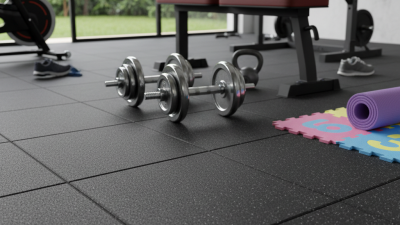
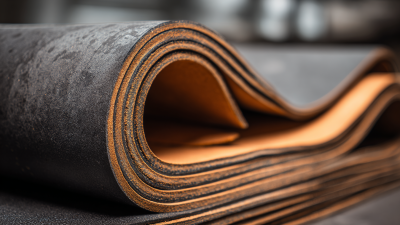
Rubber mats, on the other hand, are durable and ideal for weightlifting. They absorb shock and reduce noise, which is important if you have neighbors below.
Vinyl mats are easy to clean but can wear out quicker.
Tip: Always check the thickness of the mat. Thicker mats provide more protection but can be cumbersome. Consider the available space. Sometimes, the perfect mat may take up too much room. Finally, investing in high-quality mats might cost more, but they last longer and provide better support. Choose wisely.
Factors to Consider When Choosing Mats for Your Gym or Home
When choosing mats for your gym or home, several critical factors come into play. The surface type is essential. Rubber mats are popular because of their durability and shock absorption. A report by the International Health, Racquet & Sportsclub Association (IHRSA) states that approximately 25% of injuries in gyms stem from inadequate floor support. Therefore, ensuring proper cushioning is vital for safety.
The thickness of the mats significantly affects comfort and performance. According to the American Council on Exercise (ACE), thicker mats are preferable for heavy weightlifting. A mat thickness of at least 3/8 inch is recommended for such activities. For multifunctional spaces, choosing interlocking mats offers versatility. They can be rearranged or replaced easily. Yet, those who seek a seamless surface may find interlocking designs less visually appealing.
Lastly, the ease of maintenance cannot be overlooked. Some mats are easier to clean than others, impacting hygiene and longevity. Industries recommend selecting mats with moisture and odor-resistant properties. Reflecting on personal needs is crucial. The perfect mat should align with your workout routine while accommodating space constraints. Balancing these considerations can help avoid potential pitfalls in your gym or home environment.
Evaluating Durability and Maintenance of Weight Floor Mats
Choosing the right weight floor mats involves careful consideration. Durability is crucial. Mats should withstand heavy weights and constant use. Look for materials that resist wear and tear. Rubber and foam options are popular for their resilience. However, even durable mats can wear out if not maintained well.
Maintenance is essential for longevity. Regular cleaning is a must. Dust and debris can cause damage over time. Use soap and water for routine cleaning. For tougher spots, consider a mild disinfectant. It’s easy to overlook this task, but a clean mat performs better. Inspect mats regularly for signs of damage. Small tears can turn into bigger problems.
Tips:
- Store mats in a dry place. Moisture can lead to mold.
- Rotate mats occasionally to avoid uneven wear.
- Don’t ignore the warranty. It’s valuable for peace of mind.
Taking these steps can help ensure your weight floor mats stay functional and safe.
Cost Analysis: Budgeting for Quality Weight Floor Mats
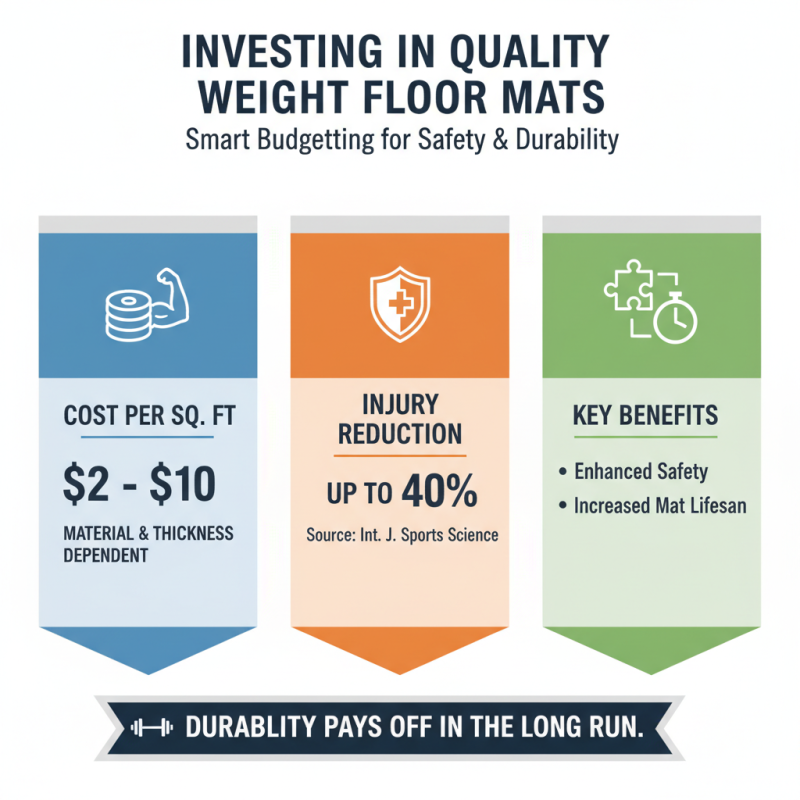
When budgeting for quality weight floor mats, it is essential to consider various factors. Quality mats can range from $2 to $10 per square foot, depending on material and thickness. A study by the International Journal of Sports Science suggests that investing in high-quality mats can reduce the risk of injuries by up to 40%. This statistic highlights the importance of durability and safety in workout environments.
Some consumers may opt for cheaper options, but these mats might wear out quickly. Low-cost mats can provide minimal shock absorption. After just a few months, they might start losing their effectiveness. A poorly chosen mat can lead to discomfort and injuries, ultimately increasing costs due to possible medical bills and injuries. Think about long-term investment. Quality mats can last up to ten years, offering better value over time.
It’s wise to consider maintenance costs as well. High-quality mats typically require less upkeep, saving you time and money. Data shows that gyms that prioritize proper flooring often see higher member retention rates. Balancing your budget with the right product is crucial. Quality weight mats may require a larger initial investment, but they support a safer, more effective workout environment.