How to Choose the Best PVC Floor for Your Home?
When considering home renovations, the choice of flooring is critical. PVC floors have surged in popularity, accounting for 40% of the global floor covering market in 2021. This substantial growth stems from their durability, affordability, and aesthetic appeal. However, choosing the right PVC floor isn't always straightforward. With numerous options available, homeowners can feel overwhelmed.
A key factor lies in understanding the features of PVC floors. Some products offer enhanced water resistance, while others prioritize comfort. Reports indicate that nearly 80% of consumers seek flooring solutions that withstand high foot traffic. Yet, many overlook the environmental implications of their choices. PVC flooring can vary significantly in its ecological footprint, urging buyers to consider sustainability alongside style.
Budget constraints often push homeowners toward cheaper options, which can lead to regrets later. Many low-cost PVC floors sacrifice quality for price, resulting in issues such as peeling or fading. It’s essential to weigh these factors carefully, reflecting on long-term satisfaction rather than immediate savings. Ultimately, a well-informed choice can elevate both the beauty and functionality of your home.
Factors to Consider When Choosing PVC Flooring for Your Home
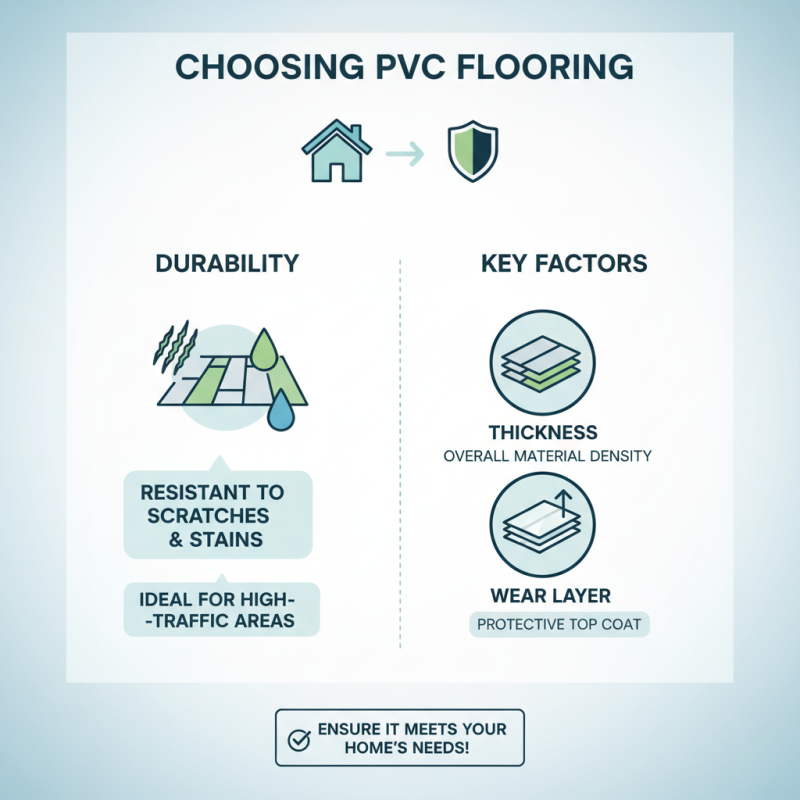
Choosing the right PVC flooring for your home can be a challenge. Several factors come into play to ensure you make the best decision for your space. One key aspect is durability. PVC flooring is known for its resistance to scratches and stains, making it suitable for high-traffic areas. However, not all PVC floors are created equal. Check the thickness and wear layer to ensure it meets your needs.
Another vital factor to consider is the design. PVC flooring comes in various colors and patterns. Think about your home’s aesthetic. Do you prefer a modern look or a more traditional feel? Visualize how different styles will impact your space. Sometimes, what looks great in a store might not feel right at home.
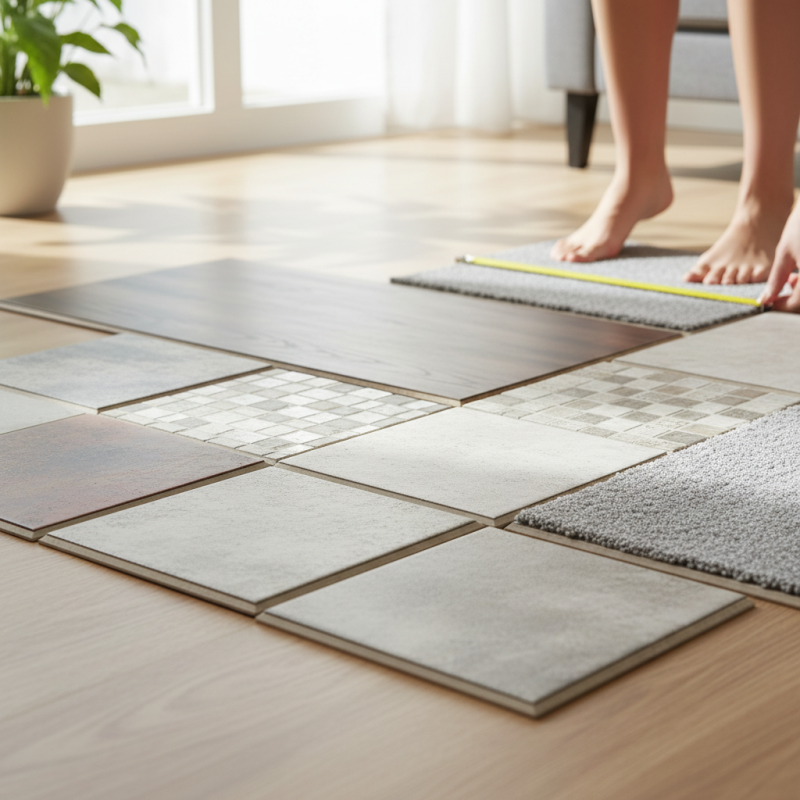
Tips: Consider samples. Take home small pieces of flooring. Lay them out in your chosen rooms. This practice helps visualize the final look. Also, think about maintenance. Some PVC floors require more upkeep than others. Make sure you choose a product that aligns with your lifestyle. Balancing style with practicality is essential.
Understanding Different Types of PVC Flooring: Rigid vs. Flexible Options
When choosing PVC flooring, it's crucial to understand the difference between rigid and flexible options. Rigid PVC flooring is made from solid materials, providing superior durability and stability. It typically features a thicker wear layer, which offers better resistance to scratches and dents. A report by the Resilient Floor Covering Institute states that rigid PVC can extend the lifespan of flooring installations by up to 30%, making it a wise choice for high-traffic areas.
On the other hand, flexible PVC flooring is lighter and easier to install. It’s often used in residential settings where comfort underfoot is prioritized. However, the lack of a strong backing can sometimes lead to issues like warping or curling over time. According to industry data, flexible options may require replacement every 5-10 years, depending on usage. This raises questions about long-term costs versus the initial affordability that draws many homeowners in.
Consider your lifestyle when making this decision. Rigid options may offer durability but could be harder to install. Meanwhile, flexible types are easy to lay down but may not hold up in the long run. Weighing these factors can lead to insights. Perhaps the best choice depends on your specific needs and environment.
Understanding Different Types of PVC Flooring
This chart illustrates the popularity of different types of PVC flooring: Rigid PVC and Flexible PVC. Rigid PVC flooring offers durability, while Flexible PVC is often preferred for comfort and ease of installation. Understanding these options can help you choose the best flooring for your home.
Evaluating Durability and Performance Ratings of PVC Floors
When selecting PVC flooring, durability and performance ratings are crucial. Research shows that PVC floors can last between 10 to 30 years, depending on their quality and maintenance. The Institute of Flooring reports that thicker wear layers provide better protection against scratches and denting. A wear layer of 20 mils is often recommended for heavy traffic areas, while a 12 mil layer may suffice for residential spaces.
Performance ratings also include moisture resistance and ease of cleaning. According to the National Floor Covering Association, PVC flooring scores well in these areas, making it ideal for kitchens and bathrooms. However, the longevity of these floors can be influenced by factors like improper installation and inadequate cleaning routines. Regular maintenance can extend the life span of the floor, yet many homeowners overlook this aspect.
Different designs and finishes can impact the perception of performance too. For example, textured surfaces may hide dirt better but can be harder to clean. Balancing aesthetics and practicality is essential when choosing the right PVC floor. While many options boast impressive stats, the real test lies in everyday use and environmental factors in your home.
Cost Analysis: Budgeting for Quality PVC Flooring Options
Choosing the right PVC flooring for your home involves careful budgeting. The cost can vary significantly based on quality and design. Basic PVC options might start at a lower price. However, investing in higher-quality materials pays off in the long run. These provide better durability and aesthetics.
Tips: Always measure your space accurately. This helps in estimating the required flooring and overall costs. Consider the installation costs as well, which can add up. Hiring professionals might raise expenses, but it ensures a neat finish. Sometimes, a friend's help might suffice, yet the result varies.
Quality matters. Cheaper options may not withstand wear and tear. Look for warranties offered with the flooring. A good warranty reflects confidence in the product. Keep in mind that poor choices lead to extra costs later. You may need to replace cheap floors sooner than expected.
Maintenance Tips for Longevity of PVC Flooring in Residential Spaces
PVC flooring is a popular choice for its durability and aesthetic appeal. To ensure it lasts, maintenance is crucial. Regular cleaning helps prevent dirt buildup. A simple sweep or vacuum every week works wonders. For deeper cleans, use a damp mop with mild detergent. Avoid harsh chemicals; they can damage the surface.
Tips for longevity: Always use furniture pads under heavy pieces. This prevents scratches and dents on the surface. Be cautious with water. Excess moisture can seep into seams, leading to mold growth. If spills occur, wipe them up immediately.
Over time, you may notice wear and tear. Don't panic; a patch-up can often restore its look. Consider resealing if fading appears. Regular maintenance keeps your PVC flooring looking fresh for years. Ignoring small issues can lead to larger problems down the road.
How to Choose the Best PVC Floor for Your Home? - Maintenance Tips for Longevity of PVC Flooring in Residential Spaces
| Feature |
Description |
Maintenance Tip |
| Durability |
Resistant to scratches, stains, and moisture |
Regularly sweep and mop to remove debris |
| Comfort |
Soft underfoot, provides warmth |
Use area rugs in high-traffic zones |
| Ease of Installation |
Can be clicked together or glued down |
Ensure surface is clean and dry before installation |
| Variety of Designs |
Available in many colors and patterns |
Choose designs that complement your home decor |
| Cost-effectiveness |
Affordable compared to natural materials |
Opt for deals and discounts during purchase |