2026 How to Choose the Best PVC Gym Flooring for Your Needs?
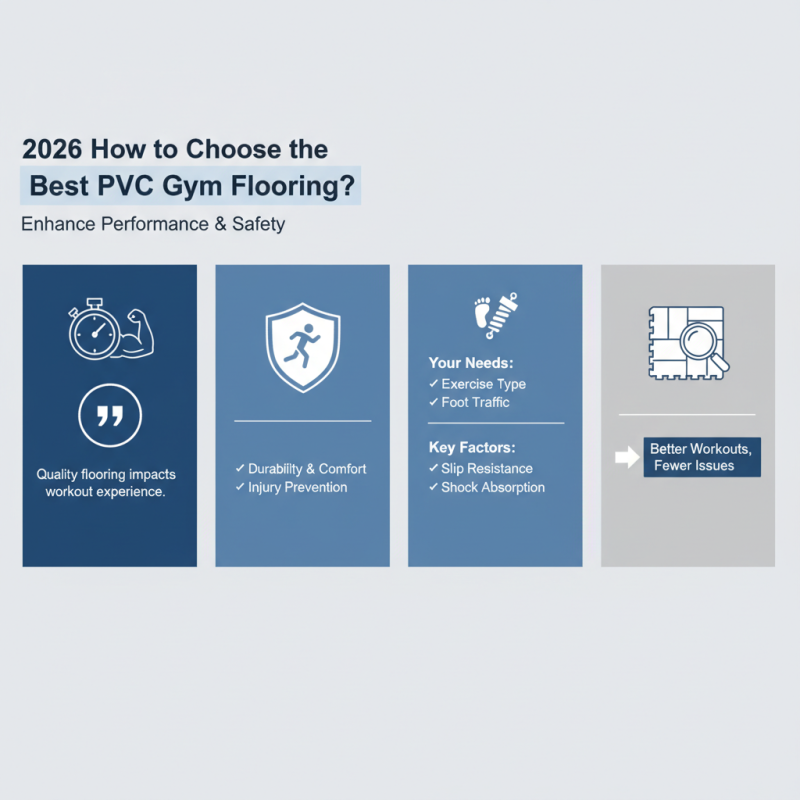
Choosing the right PVC gym flooring can significantly impact your workout experience. As industry expert Angela Cooper states, "Quality flooring can enhance performance and safety." In the world of fitness, finding the perfect flooring is crucial for both athletes and regular gym-goers.
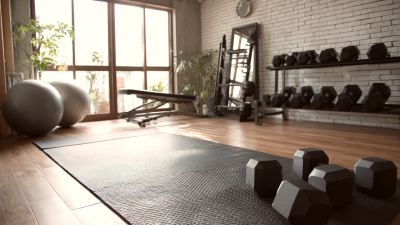
PVC gym flooring offers a blend of durability, comfort, and versatility. Many people overlook the importance of flooring, yet it plays a vital role in preventing injuries. Selecting the right type involves understanding your specific needs. Factors like the type of exercises performed and the level of foot traffic should be considered.
Not all PVC gym flooring is created equal. Some materials may promise durability but fall short in performance. It's important to research options thoroughly. Consider factors like slip resistance and shock absorption. Paying attention to details can lead to better workouts and fewer issues in the long run.
Understanding PVC Gym Flooring: Key Characteristics and Benefits
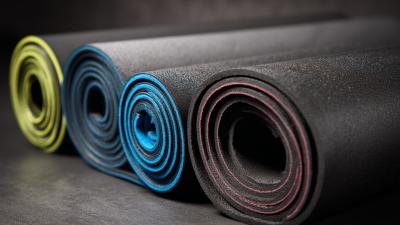
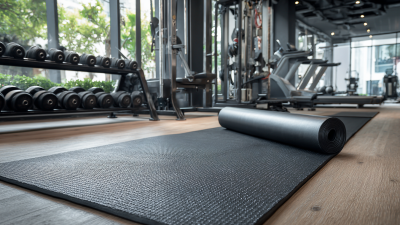
When selecting PVC gym flooring, understanding key characteristics and benefits is vital. PVC flooring is popular due to its durability and resilience. Reports indicate that it can last up to 15 years, making it a wise investment for gym owners. This material provides excellent shock absorption, which is crucial for reducing injuries during workouts. High-quality PVC flooring can withstand heavy weights and frequent foot traffic.
Another significant aspect is maintenance. PVC flooring is easy to clean and resistant to moisture and spills. This quality leads to fewer hygiene concerns, essential for any gym environment. According to industry reports, gyms with proper flooring see a 30% reduction in maintenance costs.
Tip: Choose flooring with a textured surface. This feature enhances grip, reducing slips. Additionally, consider the thickness of the flooring. A thicker option may provide better cushioning and sound absorption, improving your gym's atmosphere.
It's also important to reflect on the installation process. An improper installation can lead to problems like warping or bubbling, which can diminish the flooring's lifespan. Regular checks for signs of wear can identify issues early, preserving your investment in the long term. A proactive approach is better than waiting for significant damage.
Evaluating Different Types of PVC Flooring Options for Gyms
When evaluating different types of PVC flooring options for gyms, it's essential to consider durability and comfort. PVC flooring is popular due to its resilience against heavy equipment and foot traffic. According to industry reports, high-quality PVC can last up to 15 years with proper maintenance.
Another aspect to consider is slip resistance. A recent study highlighted that gyms with slip-resistant flooring reduce fall incidents by 35%. This is crucial for ensuring the safety of clients. Look for options with a certified slip resistance rating to avoid accidents during workouts.
Additionally, think about the aesthetic appeal. The variety of colors and patterns available allows gym owners to create an inviting atmosphere. A survey showed that gyms with appealing environments see an increase in membership retention rates. Choosing the right PVC flooring is not just about function; it also impacts the overall gym experience.
Factors to Consider When Choosing PVC Gym Flooring Thickness
When selecting PVC gym flooring, thickness is a crucial factor. The thickness affects performance and durability. According to the National Association of Home Builders, thicker flooring options can withstand heavy equipment and high foot traffic. Common thicknesses for PVC flooring range from 2mm to 8mm. Each thickness level serves different purposes, which is essential to evaluate based on your gym's activities.
For lighter activities like yoga or pilates, 2mm to 4mm may suffice. However, high-impact workouts necessitate thicker options. A 7mm to 8mm thickness can provide superior cushioning. Research shows that flooring with adequate thickness reduces the risk of injury. According to a report by the American Council on Exercise, proper flooring design can lower injury risks by up to 30%.
Consider the specifics of your gym environment. High-performance sports might demand the thickest options available. Evaluate how flooring will be utilized, from free weights to aerobic classes. Flooring needs differ significantly. Be mindful that choosing the wrong thickness might lead to premature wear. It also can impact safety and user experience. Ultimately, proper thickness selection enhances function and longevity.
2026 How to Choose the Best PVC Gym Flooring for Your Needs? - Factors to Consider When Choosing PVC Gym Flooring Thickness
| Thickness (mm) |
Ideal Use |
Durability |
Shock Absorption |
Ease of Maintenance |
| 2-3 mm |
Light exercise areas (yoga, stretching) |
Low |
Low |
Easy |
| 4-5 mm |
Multifunctional fitness areas |
Moderate |
Moderate |
Moderate |
| 6-8 mm |
Strength training areas |
High |
High |
Moderately easy |
| 10 mm+ |
Heavy gym use (weightlifting, high-impact workouts) |
Very High |
Very High |
More challenging |
Assessing Durability and Maintenance Needs of PVC Gym Flooring
When selecting PVC gym flooring, assessing durability is crucial. These floors need to withstand heavy foot traffic, dropped weights, and rigorous movements. Ideally, look for materials that offer high resistance to wear and tear. Some options may look appealing but fail in high-impact settings. Longevity is key, and it often comes down to the thickness of the material and its overall construction.
Maintenance needs are another vital area of focus. PVC flooring is generally easier to clean than other materials. Regular sweeping and occasional mopping are often sufficient. However, some types may require specific cleaning agents. You must research this aspect; neglecting proper maintenance can lead to a short lifespan. It’s also important to consider the slip resistance. While many PVC options provide good grip, not all do. Opt for surfaces specifically designed for gym use to ensure safety and stability during workouts.
Cost Analysis: Budgeting for Your PVC Gym Flooring Selection
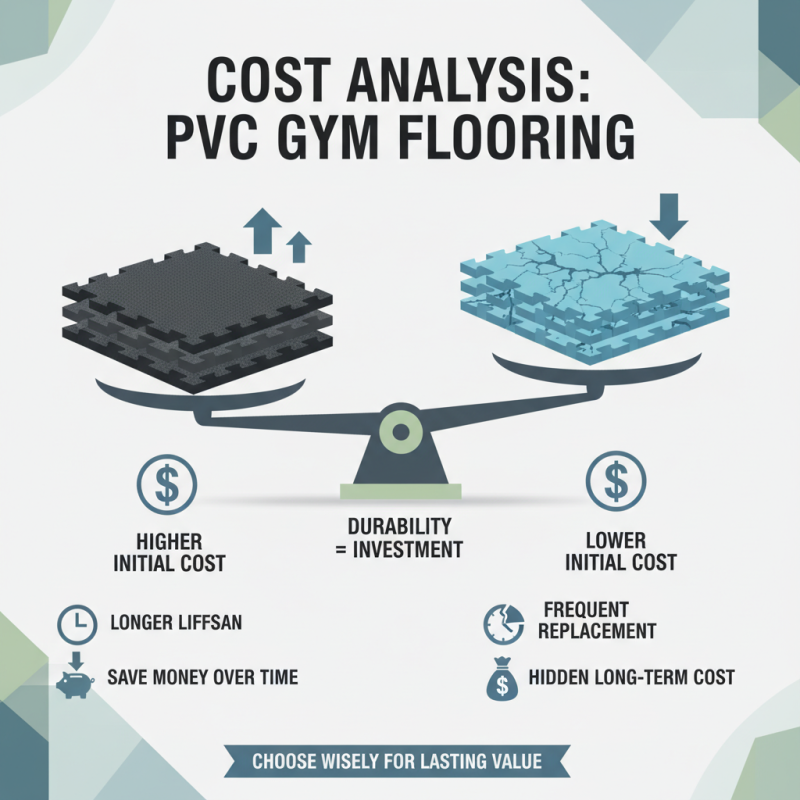
When budgeting for PVC gym flooring, several factors come into play. The initial cost is crucial, but also consider long-term expenses. High-quality PVC flooring is often pricier, yet it can save money over time. Cheaper options may require frequent replacement, leading to a hidden cost. Think about the lifespan of the material. A more durable product can be a better investment.
Installation costs vary widely. Professional installation can seem daunting at first, but mistakes can be costly. Do-it-yourself installation may save money, but it requires skill. Poor installation can lead to damage. It's essential to evaluate your capability before diving in.
Consider maintenance expenses as well. Some PVC flooring requires special cleaning products, while others are easier to maintain. You may need to reflect on how often your gym will be used. High-traffic areas can wear down cheaper options quickly. Assessing your specific needs will help you create a realistic budget for your PVC gym flooring selection.