How to Choose the Best Rubber Flooring Tile for Your Needs?
Choosing the right Rubber Flooring Tile can be a daunting task. With so many options available, it’s vital to consider your specific needs. Renowned flooring expert, John Smith, states, “Every space is unique, and the right flooring should reflect that.” His insights emphasize the importance of customization when selecting flooring solutions.
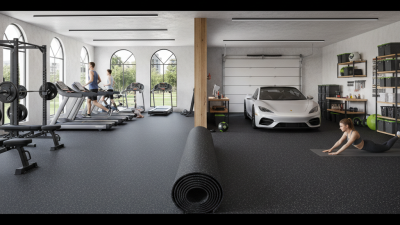
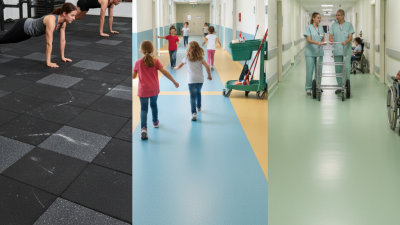
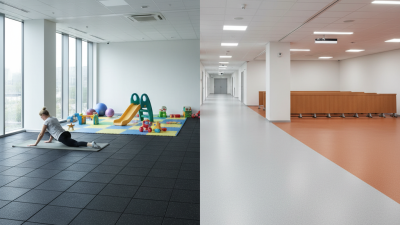
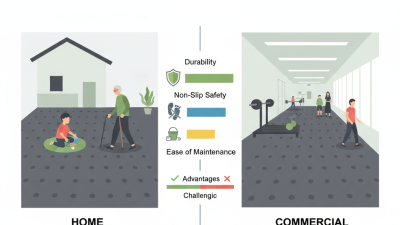
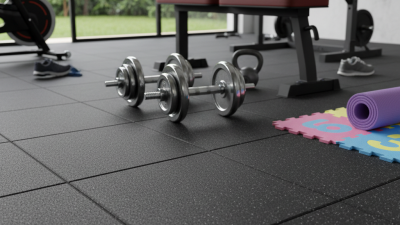
Rubber Flooring Tiles are known for their durability and versatility. They can be used in various settings, such as gyms, schools, and homes. Each application may demand different features. For instance, a home gym may prioritize comfort and shock absorption, while a commercial space may focus on slip resistance and ease of maintenance. These factors must be weighed carefully.
As you think about your choice, reflect on the aesthetic you desire. Color and texture can drastically influence a room's atmosphere. Moreover, consider the installation process and long-term upkeep. Finding the balance between functionality and style isn’t always straightforward. The right Rubber Flooring Tile should not only meet your immediate needs but also adapt over time.
Understanding Different Types of Rubber Flooring Tiles Available
When selecting rubber flooring tiles, it’s essential to understand the various types available. There are interlocking tiles, rolled rubber, and tiles designed specifically for high-traffic areas. According to a report by the International Flooring Association, interlocking tiles are particularly popular in commercial spaces due to their ease of installation and customization options. They can be replaced individually, which minimizes maintenance costs.
For residential use, softer rubber tiles are often favored. These tiles provide comfort and are ideal for home gyms or playrooms. A survey from Flooring Insights indicates that 70% of homeowners prioritize durability and ease of cleaning. However, not all rubber tiles are equal in quality. Some cheaper options may not hold up over time, resulting in a need for replacement sooner than anticipated.
Tip: Always request samples before committing. Test the tile’s texture and resilience. This hands-on experience can reveal much about the product's quality. Additionally, consider the installation process. Some tiles are designed for a DIY approach, while others may require professional help.
It's important to reflect on your specific needs before choosing. Think about the environment, foot traffic, and aesthetics. A mismatch could lead to dissatisfaction down the line. Choose wisely to avoid potential issues.
Evaluating the Durability and Maintenance of Rubber Flooring
When choosing rubber flooring, evaluating durability is essential. Rubber flooring tiles offer excellent resistance to wear and tear. They can handle heavy foot traffic, making them a reliable option for both residential and commercial spaces. Look for tiles with a thickness of at least ¼ inch. The thicker the tile, the more durable it will be over time.
Maintenance is another key factor. Rubber tiles are relatively easy to clean. A simple sweep and occasional mopping are usually sufficient to keep them looking good. However, be mindful of harsh chemicals, as they can damage the surface. Regular cleaning can prevent dirt buildup, which may lead to slipping hazards.
Consider the climate and environment as well. High humidity can affect the rubber's lifespan, leading to mold or mildew growth.
Choosing the right rubber flooring also involves assessing its longevity. While many tiles boast high durability, it is crucial to check user reviews and product specifications. Some products might look great initially, but their performance can decline quickly under heavy use. Don't hesitate to ask experts for opinions. Their insights can help avoid pitfalls and ensure a wise investment in your flooring choice.
Assessing the Safety Features of Rubber Flooring for Various Spaces
When choosing rubber flooring, safety features are critical. Various spaces have unique safety requirements. For instance, areas prone to spills need flooring with slip-resistant surfaces. Texture matters; a pebble or textured finish can enhance grip. This is essential in kitchens or bathrooms where moisture is common.
In play areas, rubber tiles should be shock-absorbent. This protects children from falls. Testing the fall height ratings can provide assurance. Consider thickness; thicker tiles often offer better cushioning. However, they can be heavier and more challenging to install. Weighing these factors is crucial.
Sound insulation and ease of maintenance are also relevant. Some rubber flooring can reduce noise, which is beneficial in offices or apartments. Not all products achieve the same standards. Research material safety data sheets for reliable information. A cautious approach ensures your flooring choice aligns with your specific safety needs.
Identifying Design Aesthetics and Customization Options
When selecting rubber flooring tiles, design aesthetics matter greatly. You want flooring that enhances your space. Consider colors and patterns that align with your vision. Bold colors can create energy, while softer tones promote calmness. The finish also impacts appearance. Matte surfaces offer a classic look, while glossy finishes can be eye-catching.
Customization options are essential for unique designs. Many tiles come in various sizes and shapes. This versatility enables you to create personalized patterns. However, measuring your area accurately is crucial. A mistake in dimensions can lead to frustration. It's worthwhile to explore interlocking designs for added flexibility. These options can provide a seamless look while making installation easier.
While many beautiful choices exist, it’s vital to balance aesthetics with functionality. Rubber flooring must withstand wear and tear, especially in high-traffic areas. Some designs highlight scuffs and scratches more than others. Reflect on your needs and preferences carefully. An imperfect choice can compromise both style and durability.
Choosing the Best Rubber Flooring Tile
Calculating Cost-Effectiveness and Budget Considerations for Rubber Tiles
When evaluating rubber flooring tiles, cost-effectiveness is a crucial factor. The average price of EPDM rubber tiles ranges from $2 to $7 per square foot, depending on durability and thickness. Understanding the total area you plan to cover can help you budget accordingly. For instance, a 500 square foot space might cost between $1,000 and $3,500 for materials alone. It’s essential to account for additional expenses like installation, which can add another $1 to $3 per square foot.
Moreover, longevity plays a significant role in your investment. Rubber flooring can last 20 years or more with proper maintenance. Reports indicate that poor-quality tiles may need replacement within five years. Therefore, spending a little more upfront could save significant costs over time. Analyzing lifecycle costs is critical. Sometimes, lower initial costs bring hidden expenses, like frequent repairs or early replacement. Be cautious about bargains that seem appealing at first glance; they may cost more long-term.
In some cases, rubber tiles can reduce maintenance costs. They are generally easy to clean and resistant to stains. However, it’s vital to ensure the installation is done correctly. Improper installation can lead to future expenses due to wear and tear. Investing in quality tiles combined with professional installation is wise for maximizing the benefits of rubber flooring.
How to Choose the Best Rubber Flooring Tile for Your Needs? - Calculating Cost-Effectiveness and Budget Considerations for Rubber Tiles
| Tile Type |
Size (sq ft) |
Cost per Square Foot |
Installation Cost |
Total Cost |
Durability (Years) |
Maintenance Level |
| Comfort Tiles |
100 |
$3.00 |
$300 |
$600 |
10 |
Low |
| Safety Tiles |
100 |
$3.50 |
$300 |
$650 |
8 |
Medium |
| Gym Tiles |
100 |
$2.50 |
$250 |
$500 |
12 |
Low |
| Outdoor Tiles |
100 |
$4.00 |
$400 |
$800 |
15 |
High |
| Interlocking Tiles |
100 |
$3.75 |
$300 |
$750 |
10 |
Medium |