How to Choose the Best Rubber Tile for Your Flooring Needs in 2023
In the ever-evolving world of flooring solutions, rubber tiles have emerged as a versatile and durable choice for a variety of applications, from residential spaces to commercial environments. As per the latest market analysis by industry research firm Grand View Research, the global rubber flooring market is projected to reach USD 1.5 billion by 2025, driven by increasing demand for eco-friendly and resilient flooring options. Such data underscores the importance of selecting the right rubber tile to meet your specific needs in 2023.

Expert insights also highlight the significance of this choice. John Smith, a leading authority in flooring solutions and author of "Innovative Flooring Trends: A Comprehensive Guide", states, "Choosing the best rubber tile involves understanding your specific needs and the environment in which the flooring will be used." With an array of options available, from interlocking to rolled rubber tiles, each type offers unique benefits that cater to different usage scenarios. Therefore, making an informed decision is crucial to ensuring long-lasting performance and satisfaction in your flooring investments.
Benefits of Rubber Tiles for Various Applications and Environments
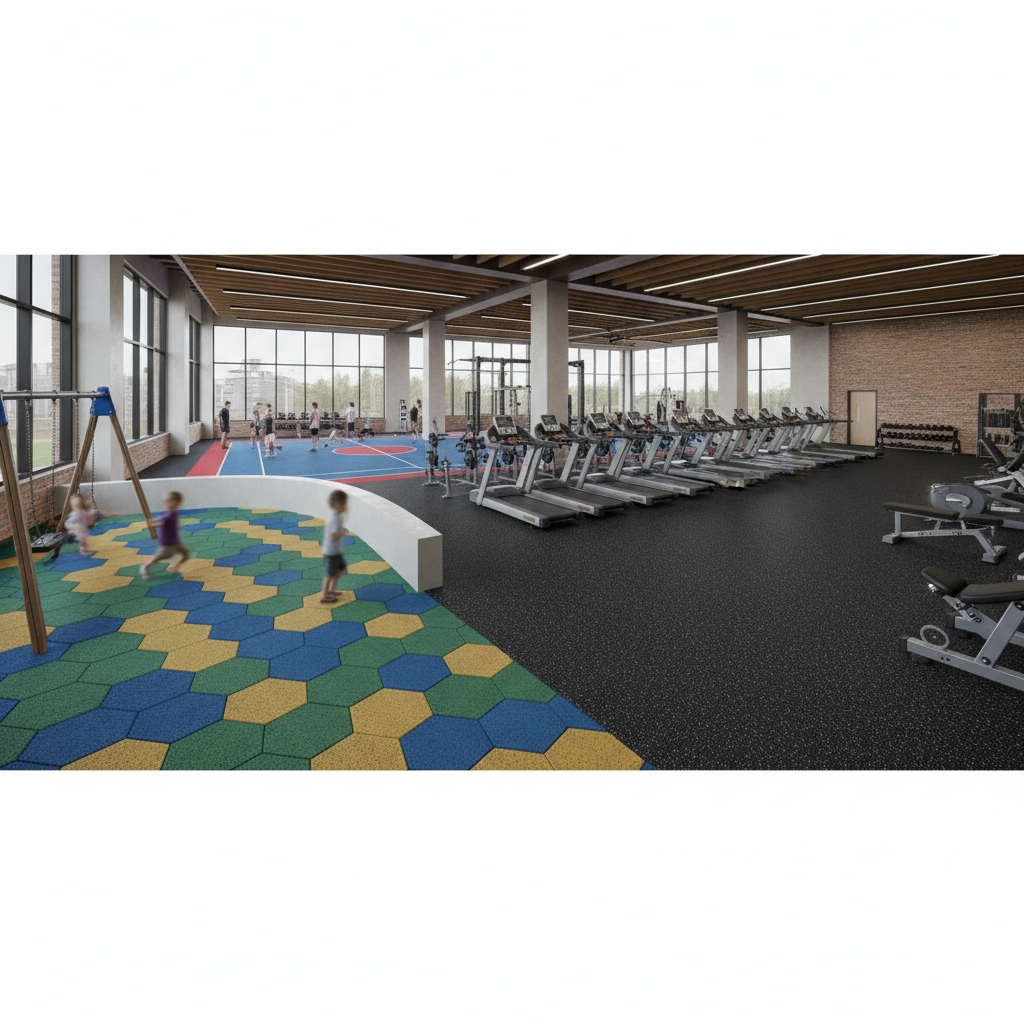
Rubber tiles have gained popularity as a versatile flooring solution due to their numerous benefits across various applications. One of the primary advantages of rubber tiles is their exceptional durability, making them ideal for high-traffic areas such as gyms, schools, and commercial establishments. They can withstand heavy foot traffic and resist wear and tear, ensuring a long-lasting flooring option. Additionally, rubber tiles provide excellent shock absorption, which can help reduce the risk of injuries in spaces where falls may occur, such as playgrounds or workout areas.
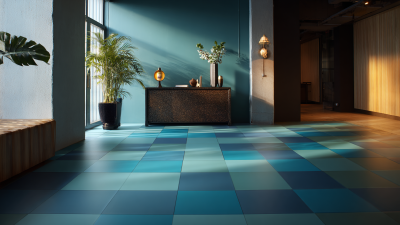
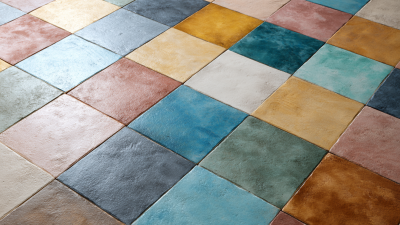
Another significant benefit is the ease of maintenance associated with rubber flooring. Unlike traditional materials, rubber tiles are resistant to water and stains, making them simple to clean with just a mop and mild detergent. This characteristic is particularly advantageous in environments such as kitchens, hospitals, and laboratories, where hygiene is a top priority. Furthermore, rubber tiles come in a variety of colors and patterns, allowing for customization in aesthetic appeal while simultaneously offering sound insulation and comfort underfoot. These features make rubber tiles an excellent choice for both residential and commercial settings, catering to diverse flooring needs effectively.
Understanding Material Types: Natural Rubber vs. Synthetic Alternatives
When considering rubber tiles for your flooring needs, it's essential to understand the differences between natural rubber and synthetic alternatives. Natural rubber, derived from the sap of rubber trees, offers exceptional resilience, elasticity, and a cozy feel underfoot. According to a 2021 report by the American Flooring Association, natural rubber tiles can last up to 20 years with proper maintenance, making them a long-lasting flooring solution. On the other hand, synthetic rubber tiles, commonly made from materials like styrene-butadiene rubber (SBR) or ethylene propylene diene monomer (EPDM), are often more affordable and resistant to UV light and moisture.
**Tip:** When selecting between natural and synthetic rubber, consider your specific use case. For high-traffic areas, synthetic tiles might be more durable and cost-effective, while for home gyms or playrooms, the comfort and shock absorption of natural rubber may be advantageous.
Furthermore, the sustainability aspect plays a crucial role in decision making. Natural rubber is biodegradable and sourced from renewable resources, aligning with eco-friendly preferences. In contrast, synthetic options, though practical, typically rely on petroleum-based products. According to a 2022 study by the Environmental Protection Agency, choosing environmentally friendly materials can reduce your carbon footprint by 30% over the product lifetime.
**Tip:** Always review certifications and eco-labels to ensure that the materials you choose meet environmental standards.
How to Choose the Best Rubber Tile for Your Flooring Needs in 2023
| Material Type |
Durability |
Cost per Square Foot |
Eco-Friendliness |
Ease of Installation |
| Natural Rubber |
High |
$3.00 - $6.00 |
Highly Eco-Friendly |
Moderate |
| Synthetic Rubber |
Good |
$2.00 - $5.00 |
Moderately Eco-Friendly |
Easy |
| Recycled Rubber |
Very High |
$2.50 - $4.50 |
Highly Eco-Friendly |
Moderate |
Evaluating Thickness, Density, and Impact Absorption for Performance
When selecting the best rubber tile for your flooring needs,
evaluating thickness, density, and impact absorption
is crucial for ensuring optimal performance.
Thickness plays a significant role in durability and comfort.
Thicker tiles are generally more resilient and provide better cushioning for high-traffic areas.
They can also help in noise reduction, creating a quieter environment,
which is particularly valuable in settings such as gyms or children's playrooms.
Density is another vital factor to consider.
Higher density rubber tiles can withstand more weight and pressure, making them ideal for heavy equipment or high-impact activities.
They are less prone to wear and tear over time, enhancing longevity.
Additionally, impact absorption is essential for areas where physical activities occur.
Tiles designed for better impact absorption can mitigate injuries
by providing a safer surface for exercises, sports, and other activities.
Thus, ensuring your selected rubber tile meets these criteria will significantly enhance the effectiveness and longevity of your flooring solution.
Key Factors to Consider: Slip Resistance Ratings and Safety Standards
When selecting the best rubber tile for your flooring needs, understanding slip resistance ratings and safety standards is crucial. According to the American National Standards Institute (ANSI), slip resistance is measured using the Coefficient of Friction (COF), which evaluates how well a surface resists sliding. A COF of 0.60 or higher is recommended for flooring in commercial environments such as gyms and schools, while a minimum of 0.50 is generally acceptable for residential spaces. Notably, rubber tiles often exceed these standards, providing a safer environment for families and workers alike.
Additionally, it's essential to consider safety certifications such as the ASTM (American Society for Testing and Materials) compliance. ASTM F1677 is a common standard that tests slip resistance under specific conditions, ensuring that rubber flooring can withstand both wet and dry scenarios. For instance, many high-quality rubber tiles achieve a rating of 0.70 or higher, indicating superior performance in potentially hazardous areas. By prioritizing these safety metrics, you can make a well-informed choice that not only meets aesthetic preferences but also enhances the safety of your space.
Cost Analysis: Comparing Long-term Value and Installation Expenses of Rubber Tiles
When considering rubber tile flooring for your space, it's critical to analyze both installation costs and long-term value. According to a report by the Rubber Flooring Association, the average cost of rubber tiles ranges from $2.50 to $7.00 per square foot, with higher-end options providing enhanced durability and aesthetic appeal. While initial expenses might seem substantial, the longevity and maintenance benefits can justify the investment. Many rubber tiles have a lifespan of over 20 years, far outperforming alternatives like vinyl or carpet, which often require more frequent replacement.
Tip: Always request samples and quotes from multiple suppliers to ensure you get both the best price and quality for your rubber flooring needs.
Installation costs can vary significantly based on the complexity of the job and local labor rates. On average, professional installation fees can add another $1.00 to $3.00 per square foot to your total cost. However, some homeowners opt for DIY installation, which can save money but may require specific tools and skills. It's essential to factor in potential long-term savings from reduced maintenance and cleaning efforts, as high-quality rubber tiles can resist stains and odors, resulting in lower upkeep costs over time.
Tip: Consider the specific environment where the flooring will be used; for example, commercial spaces may require thicker, commercial-grade rubber tiles despite their higher upfront cost, offering better longevity and safety features such as slip resistance.