Why Choose the Right Sports Flooring for Your Facility?
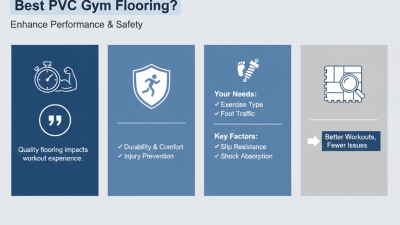
Choosing the right sports flooring for your facility is crucial. The right flooring can significantly impact performance, safety, and player comfort. Athletes depend on solid surfaces to enhance their game. Not all sports flooring is created equal. Various materials suit specific sports and facilities.
Consider how different types of sports flooring respond to wear and tear. Some options are more durable but may be less forgiving on joints. Others offer good shock absorption, yet they may not be as long-lasting. Reflect on what is best for your athletes. Gather feedback from users about their experiences with various surfaces.
Selecting the ideal sports flooring goes beyond mere aesthetics. It requires careful thought about functionality and maintenance as well. The investment in quality flooring pays off in longevity and performance. A well-informed choice can minimize future costs and enhance player satisfaction. Take the time to research and evaluate; the right decision matters.
Importance of Proper Sports Flooring in Enhancing Athletic Performance
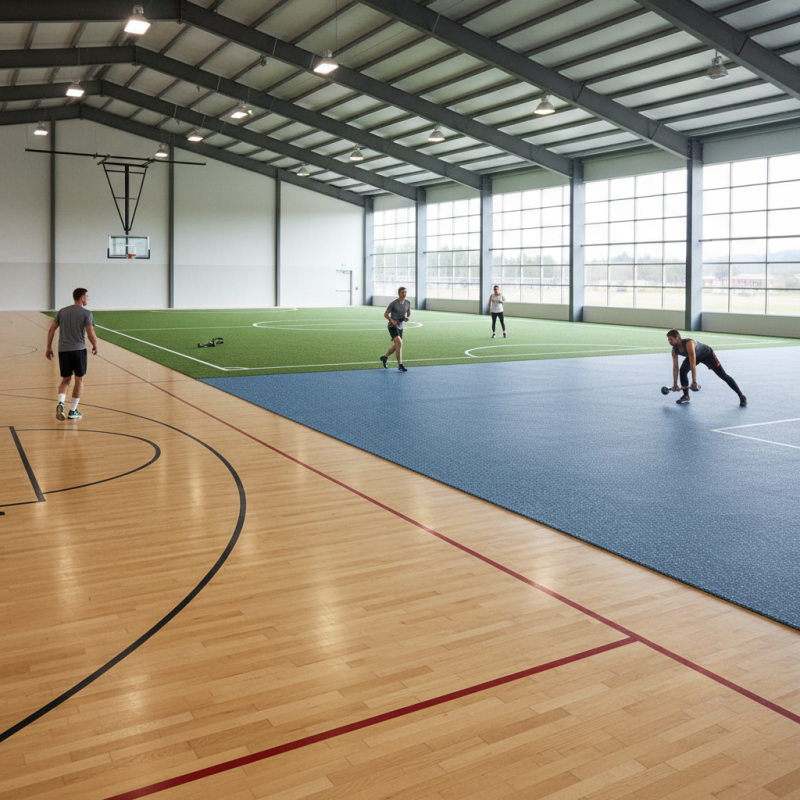
Choosing the right sports flooring is crucial for any athletic facility. Proper flooring can significantly impact performance. Athletes rely on their surroundings. A good surface can provide better traction and cushioning. This allows for swift movements and reduces injury risks. Many overlook the importance of flooring until problems arise.
Different sports require specific flooring types. For example, hardwood works well for basketball, while synthetic options may suit multipurpose facilities. The reaction time on various surfaces can differ. An athlete might feel more agile on a responsive floor. On the other hand, inadequate surfaces can lead to slips or strains. Facilities must invest in suitable materials.
However, even the best flooring needs maintenance and occasional updates. Wear and tear can diminish performance. Facilities should regularly assess their flooring condition. They should gather feedback from users too. The right flooring enhances overall athletic experience, but there can be pitfalls if ignored. Making informed choices will benefit both athletes and the facility.
Impact of Sports Flooring on Injury Prevention and Athlete Safety
Choosing the right sports flooring is crucial for injury prevention. It plays a vital role in athlete safety during training and competition. Different materials offer varying levels of shock absorption, traction, and stability. For example, hardwood floors provide a classic feel but can be hard on joints, especially during high-impact sports.
The surface texture also matters. A slippery floor increases the risk of falls. Athletes need a surface that provides grip without being abrasive. This balance is essential for preventing injuries. Poor choice of flooring can lead to strains, sprains, or more severe injuries. Coaches and facility managers often overlook this aspect, leading to long-term consequences for athletes.
Athlete safety should be a priority. Regularly assessing the condition of sports flooring is necessary. Signs of wear can increase injury risks significantly. Reflection on these factors is vital in maintaining an environment that promotes safety and performance. The right flooring not only enhances the athlete's experience but also minimizes injury likelihood.
Cost-Benefit Analysis: Investing in Quality Sports Flooring Materials
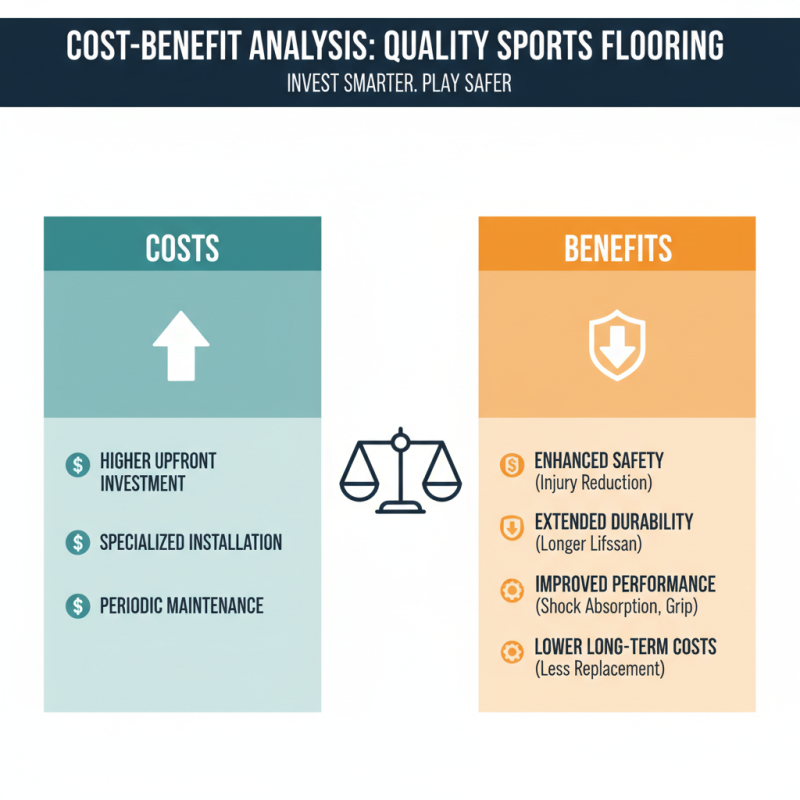
Choosing the right sports flooring is a significant decision for any facility. When considering quality materials, a cost-benefit analysis becomes essential. Investing in high-quality flooring offers numerous advantages but comes at a higher upfront cost.
Quality sports flooring enhances player performance and reduces injury risks. Many facilities overlook this aspect, focusing only on initial expenses. However, cheaper materials may not endure heavy use, leading to frequent replacements. This creates long-term costs that can far exceed the initial savings. Premium flooring may require a larger investment now, but it ultimately pays off through durability.
Additionally, a well-chosen floor can elevate the facility's reputation. Players and coaches notice the difference. Facilities that prioritize quality attract more users. This can increase revenue, making the initial investment worthwhile. Understanding these factors highlights the importance of thoughtful flooring choices. It is worth reflecting on how the right materials impact both immediate and long-term outcomes.
Comparative Analysis of Different Sports Flooring Types and Their Suitability
Choosing the right sports flooring can significantly impact performance and safety. Various types of flooring exist, each with unique features.
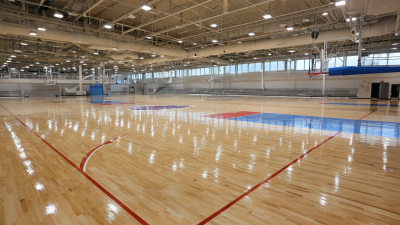
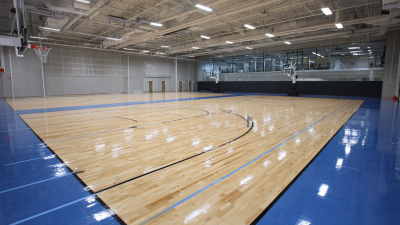
Wooden courts are popular in basketball and volleyball. They provide excellent shock absorption. However, they can warp in high humidity.
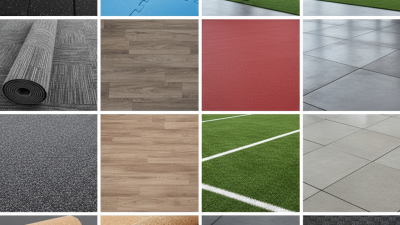
Rubber flooring is another option. It offers durability and is great for diverse sports. This material is easy to maintain and comfortable underfoot. Yet, rubber may not provide the same level of performance for athletes in court sports.
Vinyl flooring stands out for multipurpose facilities. It is versatile and cost-effective. This type can mimic the appearance of wood or rubber, while being easy to install. However, its long-term durability may raise questions. Selecting the right flooring requires careful consideration. A facility's intended use and athlete needs must guide the decision. Each material brings its strengths and challenges.
Trends in Sports Flooring Innovations and Their Benefits for Facilities
Choosing the right sports flooring is crucial for any facility. Today's sports flooring innovations offer substantial benefits. Advanced materials improve player safety and enhance performance. For example, shock-absorbing surfaces reduce injury risks. These innovations reflect a deeper understanding of athletic needs.
Facilities now prioritize eco-friendly options. Sustainable materials are more popular than ever. They not only provide durability but also promote environmental responsibility. This shift toward green flooring is significant in today’s market. However, many facilities hesitate, unsure of initial costs or maintenance.
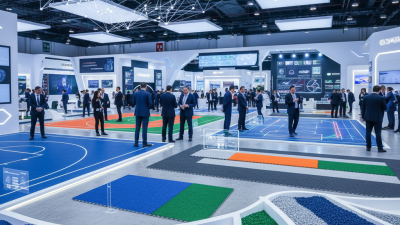
Another trend is customizable flooring solutions. Facilities can tailor designs to suit specific sports. This customization fosters a unique atmosphere, boosting engagement. Yet, some installations may face challenges, like varying surface wear. Addressing these issues early is key. As trends evolve, facilities must remain adaptable to meet athlete and spectator expectations.
Trends in Sports Flooring Innovations