What is EPDM Rubber Flooring and its Benefits for Buyers?
EPDM rubber flooring is gaining popularity in various industries due to its unique properties and advantages. According to Mark Johnson, a flooring expert with over 15 years of experience, “EPDM rubber flooring offers unmatched durability and flexibility for both indoor and outdoor use.” This statement emphasizes its strength in various conditions.
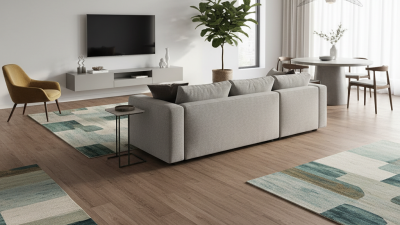
EPDM rubber flooring is not just about functionality. It comes in an array of colors and textures, perfect for creative designs. Many buyers appreciate its low maintenance requirements and resistance to weather elements. However, some may overlook the importance of installation quality. An improperly installed floor can lead to problems like bubbling or peeling, which are costly to fix.
As more spaces adopt EPDM rubber flooring, it becomes essential to consider its long-term benefits. The investment in high-quality materials pays off over time, reducing the need for frequent replacements. Embracing EPDM rubber flooring can bring both aesthetic appeal and significant savings for buyers. Yet, proper research and understanding of this flooring type are crucial for making informed decisions.
Understanding EPDM Rubber Flooring: Composition and Characteristics
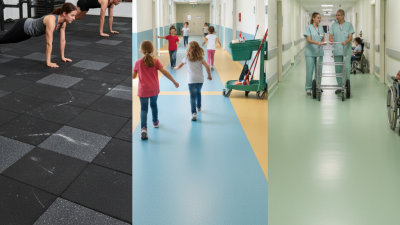
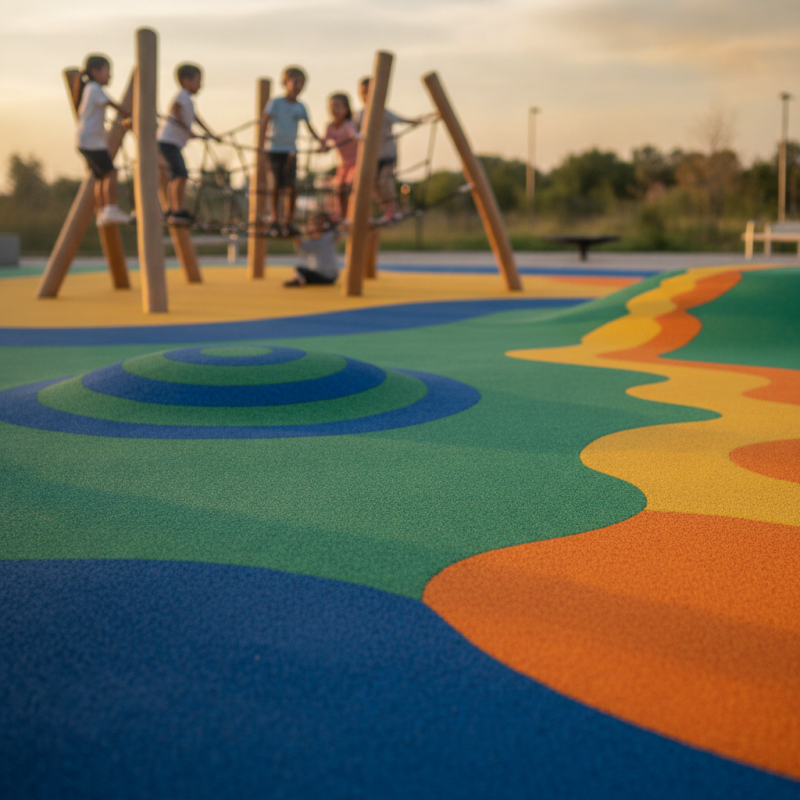
EPDM rubber flooring is a durable and versatile option favored for various surfaces. Composed mainly of ethylene and propylene, it offers excellent resistance to weathering, UV rays, and extreme temperatures. This unique composition makes it ideal for outdoor environments such as playgrounds, pools, and sports facilities. The material is designed to withstand heavy foot traffic, making it long-lasting and reliable.
In addition to its robustness, EPDM rubber flooring provides a cushioned surface, reducing the risk of injuries during falls. Its non-slip properties enhance safety, crucial for high-activity areas. However, the installation process can be challenging and requires experience. Proper preparation of the subfloor and precise application are essential for optimal results. Many users find maintenance relatively easy, but ignoring early signs of wear can lead to more complex issues later.
Color options and customization are significant benefits. Buyers can select shades that match their aesthetic needs. While EPDM flooring can be more expensive upfront, longevity often justifies the investment. Some may find it necessary to evaluate their specific environment before choosing this material. Understanding both the merits and potential downsides is vital when considering EPDM for your next flooring project.
Key Benefits of Choosing EPDM Rubber Flooring for Indoor and Outdoor Use
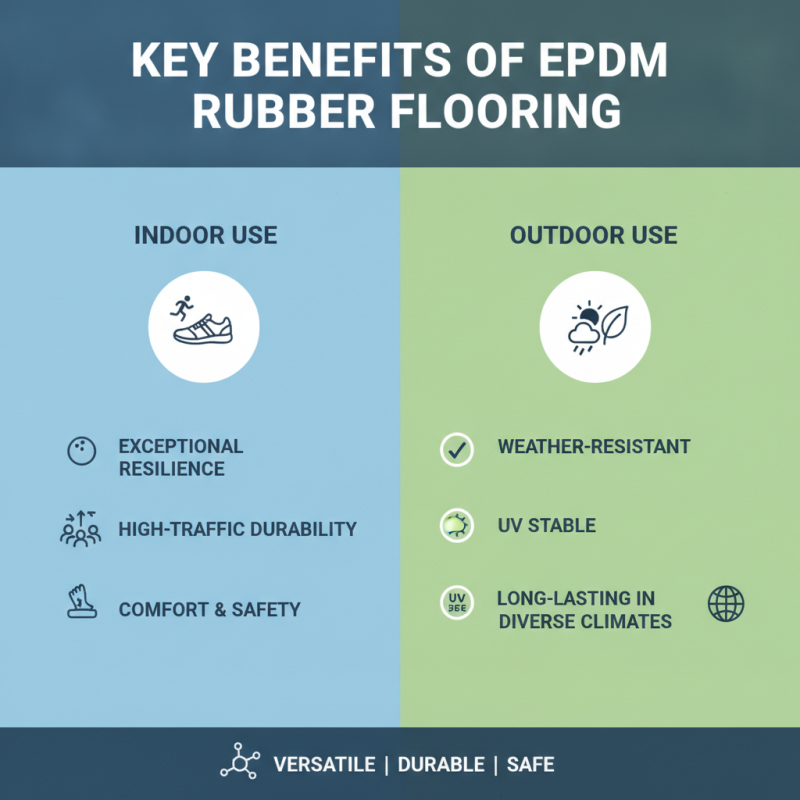
EPDM rubber flooring is gaining popularity for both indoor and outdoor spaces. This versatile material offers a range of benefits that cater to various user needs. According to research conducted by the International Rubber Research and Development Board, EPDM demonstrates exceptional resilience and durability, making it ideal for high-traffic areas. Moreover, its weather-resistant properties ensure longevity when used outdoors, especially in diverse climates.
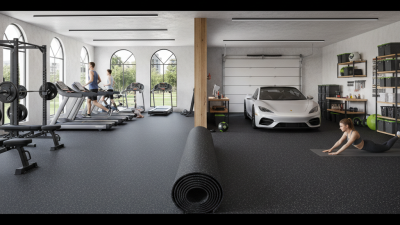
One of the standout advantages of EPDM is its safety features. The American Society for Testing and Materials highlights that EPDM flooring provides cushioning, which reduces the risk of injuries from slips and falls. Its rubbery texture absorbs impacts, making it suitable for playgrounds and gyms. Another area where EPDM shines is maintenance. With its water-resistant nature, spills and stains are easy to clean.
Cost-effectiveness is another compelling reason to consider EPDM. A report from the Environmental Protection Agency points out that while the initial investment may seem high, the material's longevity leads to long-term savings. Buyers can expect a lifespan of over 30 years with proper care. However, it’s essential to ensure installation is done correctly. Poor installation can undermine the benefits, creating areas that may wear out faster.
Installation Process of EPDM Rubber Flooring: A Step-by-Step Guide
Installing EPDM rubber flooring can be an excellent choice for many spaces. The installation process involves several key steps, each requiring attention to detail. Start by preparing the subfloor. It should be clean, dry, and smooth. Even minor debris can affect the adhesion. Next, measure the area accurately. This ensures you cut the EPDM sheets or tiles correctly, minimizing waste and achieving a precise fit.
After cutting, apply the adhesive. Use a trowel for even application. Too much adhesive might create bubbles. While positioning the EPDM, ensure it lays flat. Pay attention to seams; they should align neatly. A roller can help eliminate air pockets. Time spent here can make a difference in the final appearance.
Once installed, allow the flooring to cure properly. This might take longer than expected. Monitor the climate, as humidity can impact the curing time. Regular checks during this phase can prevent future issues. Adhesion failure is often due to impatience during this process. Observing these details can lead to a durable and aesthetically pleasing floor.
What is EPDM Rubber Flooring and its Benefits for Buyers?
| Feature |
Description |
Benefits |
| Durability |
EPDM rubber is resistant to extreme weather conditions, UV rays, and ozone. |
Long lifespan and reduced replacement costs. |
| Safety |
Provides excellent traction and minimizes the risk of slips and falls. |
Enhanced safety for users in various environments. |
| Low Maintenance |
Easy to clean and requires minimal upkeep over time. |
Saves time and money on maintenance tasks. |
| Versatility |
Suitable for both indoor and outdoor applications. |
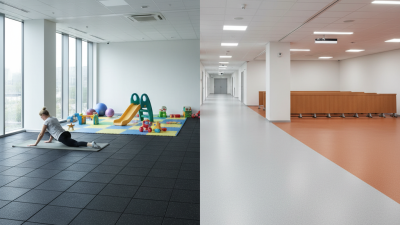
Can be used in various settings, including gyms, playgrounds, and commercial spaces. |
| Cost-Effectiveness |
Competitive pricing compared to other flooring materials. |
Affordable option without sacrificing quality. |
Installation Process of EPDM Rubber Flooring: A Step-by-Step Guide
| Step |
Description |
| 1 |
Prepare the subfloor by cleaning and leveling the area. |
| 2 |
Measure and cut the EPDM sheets to fit the designated area. |
| 3 |
Apply adhesive to the subfloor and position the EPDM sheets accordingly. |
| 4 |
Use a roller to ensure proper adhesion and eliminate air bubbles. |
| 5 |
Finish edges and corners for a clean, professional look. |
Maintenance Tips to Enhance the Longevity of EPDM Rubber Flooring
EPDM rubber flooring is becoming increasingly popular in residential and commercial spaces. This material is known for its durability and comfort. However, proper maintenance is essential to enhance its longevity.
Regular cleaning is crucial. Sweep or vacuum the flooring weekly to remove dirt and debris. Mop with a mild soap solution monthly. This prevents stains and keeps the surface looking fresh. Avoid using harsh chemicals, as they can degrade the rubber over time.
Moisture management is key. Make sure spills are cleaned up immediately. Standing water can lead to mold and mildew. Additionally, consider adding mats at entry points to reduce wear from foot traffic. These simple steps can significantly extend the life of your EPDM flooring.
Remember, while EPDM is tough, it can still show signs of wear. Periodic inspections help identify any cracks or tears early. Addressing these issues quickly can save you money in repairs later. With thoughtful care, your EPDM flooring can remain an attractive and functional surface for years.
Benefits of EPDM Rubber Flooring
Comparing EPDM Rubber Flooring with Other Flooring Options on the Market
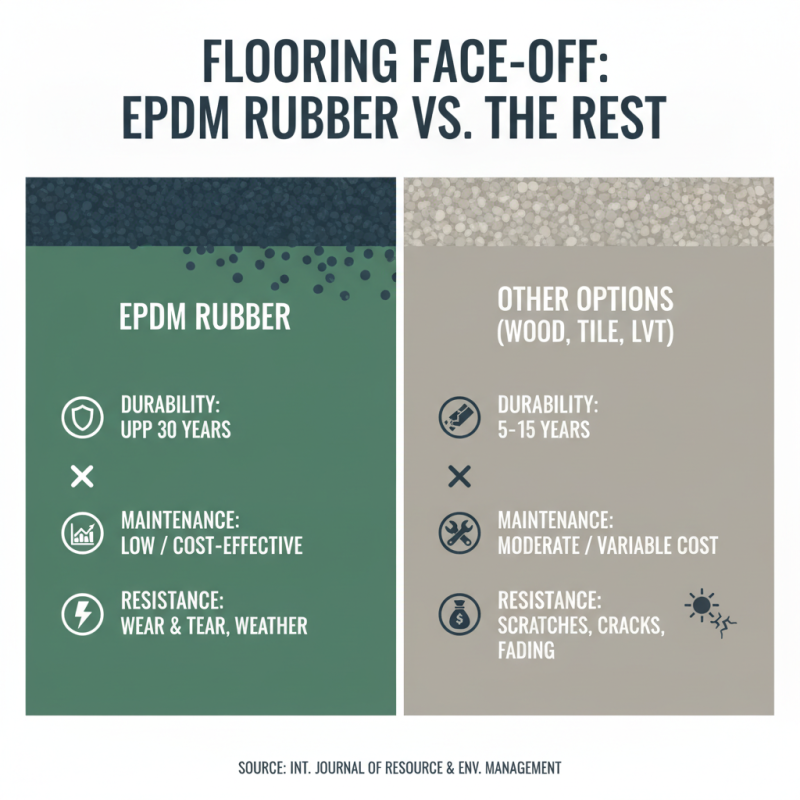
EPDM rubber flooring is increasingly popular due to its versatility and performance. Unlike traditional materials, EPDM stands out for its durability and resistance to wear and tear. According to a study by the International Journal of Resource and Environmental Management, EPDM can last up to 30 years with minimal maintenance, making it more cost-effective over time.
When comparing EPDM to other flooring options like vinyl or carpet, some significant differences emerge. EPDM is often preferred for outdoor applications, especially in playgrounds and sports facilities. The U.S. Consumer Product Safety Commission reports that its shock-absorbing properties reduce injuries. In contrast, vinyl can fade and become brittle in harsh weather conditions. Carpet, while soft, retains allergens and requires more frequent cleaning.
However, EPDM is not without its challenges. Installation can be labor-intensive and requires skilled labor. Moreover, initial costs might be higher compared to other options. Buyers need to weigh these factors carefully. Local climate and intended use play a significant role in making the best choice for their needs. Understanding these variables can lead to a more informed decision.