Top 10 Essential Tips for Choosing the Best PVC Floor for Your Home
Choosing the right flooring for your home can significantly impact both its aesthetics and functionality. Among the many options available, PVC floors have emerged as a popular choice due to their versatility, durability, and ease of maintenance. With advancements in technology, modern PVC flooring mimics the appearance of hardwood, stone, or tile, offering homeowners a stylish yet practical solution for any room. However, with so many varieties and styles on the market, selecting the best PVC floor for your home can feel overwhelming.
To help you navigate this decision, we’ve compiled the top 10 essential tips for choosing the best PVC floor. From understanding the different types of PVC flooring to assessing your specific needs and preferences, these insights will guide you in making an informed decision that enhances your living space. Whether you're renovating an existing area or designing a new one, knowing what to look for when selecting a PVC floor will ensure you achieve a balance of comfort, style, and durability in your home.
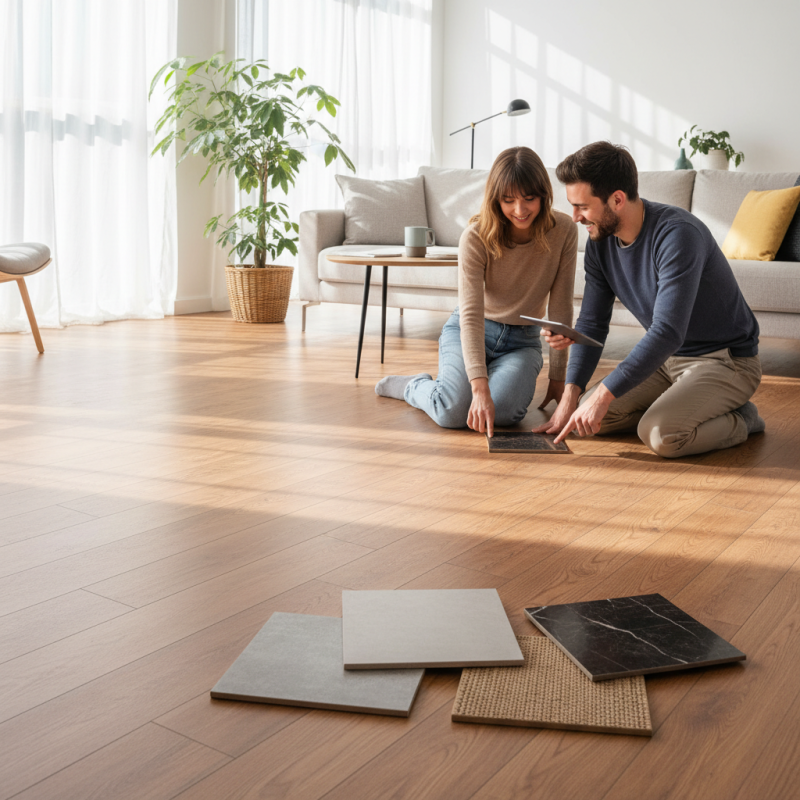
Understanding the Characteristics of PVC Flooring Options
When selecting the best PVC flooring for your home, understanding the characteristics of various options is crucial for making an informed choice. PVC flooring, known for its durability and versatility, is available in several forms, including luxury vinyl tiles (LVT), vinyl sheets, and engineered vinyl planks. According to a report by Freedonia Group, vinyl flooring is projected to reach 6 billion square feet in installation by 2024, highlighting its growing popularity in the residential market. Each type of PVC flooring offers unique benefits, such as water resistance, ease of maintenance, and a wide range of aesthetic options that can mimic natural materials.
The different characteristics of PVC flooring significantly impact its performance and appeal. For instance, LVT tends to provide superior resilience and is often thicker, which enhances comfort underfoot and sound insulation. In contrast, vinyl sheets offer a seamless surface that is excellent for moisture-prone areas, like bathrooms and kitchens. A study by Innovate Research indicates that nearly 70% of homeowners prioritize ease of cleaning and maintenance when choosing flooring, making PVC a compelling option. Moreover, with advancements in manufacturing technology, several eco-friendly options are now available, which appeal to the growing consumer demand for sustainable materials. Understanding these characteristics will ensure that you select the most suitable PVC flooring that meets both your practical needs and design preferences.
Evaluating Durability and Maintenance Requirements of PVC Floors
When selecting PVC flooring for your home, understanding its durability and maintenance requirements is crucial. PVC, or polyvinyl chloride, is known for its resilience and ability to withstand high foot traffic, making it an ideal choice for busy households. To evaluate durability, consider the thickness of the wear layer. A thicker wear layer typically means better resistance to scratches, stains, and general wear over time. Additionally, it’s important to check the manufacturer's specifications for the product's lifespan; a higher quality PVC floor can last anywhere from 10 to 25 years with proper care.
Maintenance is another key factor in your decision-making process. One of the biggest advantages of PVC flooring is its ease of maintenance. Regular sweeping and occasional mopping with a mild detergent are usually sufficient to keep it looking new. However, be sure to avoid harsh chemicals that can damage the surface. Additionally, some PVC floors are designed with a moisture-resistant feature, making them suitable for areas prone to spills, such as kitchens and bathrooms. Understanding these aspects will help you choose a PVC floor that not only meets your aesthetic preferences but also stands the test of time in terms of durability and maintenance.
Assessing Design Choices: Colors, Patterns, and Textures in PVC Flooring
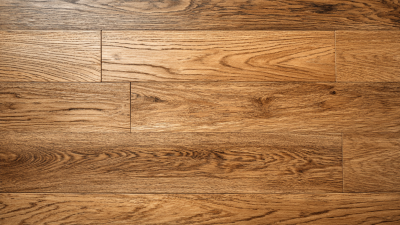
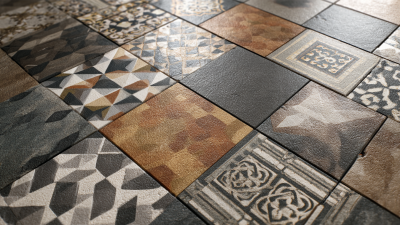
When selecting the best PVC flooring for your home, assessing design choices such as colors, patterns, and textures is crucial. The aesthetic appeal of a room can dramatically change with the right flooring. For example, lighter colors can make a space feel more open and airy, while darker hues can add warmth and cozziness. Consider the overall theme of your home; a contemporary setting may benefit from bold patterns, while a traditional decor might call for subtle textures.
One essential tip is to choose a color that complements your existing furnishings. Look at the color palette of your walls and furniture, and opt for shades that harmonize with them. Furthermore, think about the impact of natural light in your rooms. A flooring choice that looks stunning in artificial light may appear drastically different in daylight.
Another important consideration is the texture of the flooring. Smooth finishes lend a sleek, modern look, while textured options can introduce depth and interest. For high-traffic areas, selecting a texture that can hide scuffs and dirt is practical. Remember, the flooring need not just be visually appealing but also functional, contributing both to style and ease of maintenance in your living space.
Top 10 Essential Tips for Choosing the Best PVC Floor for Your Home
| Tip Number |
Design Choice |
Recommended Color |
Pattern Type |
Texture Finish |
| 1 |
Consider Traffic Levels |
Natural Oak |
Wood-Look |
Satin |
| 2 |
Match Your Home Decor |
Slate Grey |
Tile-Look |
Textured |
| 3 |
Consider Maintenance |
Light Maple |
Marble-Look |
Glossy |
| 4 |
Evaluate Durability |
Chocolate Brown |
Vintage Plank |
Matte |
| 5 |
Think About Your Budget |
Soft Beige |
Geometric |
Smooth |
| 6 |
Explore Eco-Friendly Options |
Earthy Green |
Herringbone |
Textured |
| 7 |
Consider Acoustics |
Dark Walnut |
Linear Stripes |
Sound-Absorbing |
| 8 |
Seek Warranty Options |
Warm Grey |
Natural Stone |
Slip-Resistant |
| 9 |
Check for Safety Features |
Ivory White |
Patterned |
High-traction |
| 10 |
Get Professional Help |
Charcoal |
Custom Design |
Varied |
Comparing Cost and Budget Considerations for PVC Flooring
When choosing PVC flooring for your home, cost and budget considerations play a crucial role in the decision-making process. PVC flooring is often celebrated for its affordability compared to traditional materials like hardwood or stone. However, prices can vary significantly based on factors such as quality, thickness, and design complexity. It’s essential to establish a clear budget early on, as this will influence your options and help you avoid overspending or compromising on quality.
One important aspect to consider is the long-term value of the flooring. Although cheaper options may seem attractive in the short term, investing a little more in high-quality PVC can provide better durability and aesthetic appeal, ultimately saving you money on replacements or repairs in the future. Additionally, some premium PVC floors may come with warranties that further justify the initial investment. Always compare the installation costs as well, as some types may require professional installation, while others can be easily installed as a DIY project, affecting the overall budget.
Identifying Eco-Friendly and Health-Conscious PVC Flooring Choices
When choosing PVC flooring options for your home, prioritizing eco-friendly and health-conscious choices is vital. Recent studies show that the production of PVC flooring contributes to around 1% of global greenhouse gas emissions, raising concerns about its environmental impact (International Journal of Environmental Science and Technology, 2022). However, advancements in manufacturing processes have led to the emergence of more sustainable PVC options that reduce these emissions and promote healthier indoor environments. Look for products that are certified by reputable eco-labels, such as GreenGuard, which guarantees low chemical emissions for better indoor air quality.
Additionally, it's essential to consider the presence of harmful additives typically used in conventional PVC flooring. In the past, phthalates and heavy metals were frequently added to enhance flexibility and durability, but many modern manufacturers are now opting for safer alternatives. According to a report by the World Health Organization, exposure to certain phthalates has been linked to respiratory issues and hormonal disruptions, emphasizing the importance of choosing PVC flooring that is free from these toxic substances. By opting for phthalate-free and environmentally-friendly PVC flooring options, homeowners can create a healthier living space while also contributing positively to the planet's well-being.
Top 10 Essential Tips for Choosing the Best PVC Floor for Your Home