10 Essential Tips for Choosing the Best Vinyl Floor Tiles for Your Home
Vinyl floor tiles have emerged as a go-to solution for homeowners looking to combine aesthetics with functionality in their flooring choices. According to renowned flooring expert, Dr. Susan Bennett, "Choosing the right vinyl floor tiles can transform not only the look of your home but also its overall comfort and longevity." With the wide array of styles, colors, and materials available, selecting the perfect vinyl floor tiles might seem daunting. However, understanding key factors can simplify this decision-making process.
In this guide, we will delve into ten essential tips that will aid you in navigating the world of vinyl floor tiles. From evaluating your lifestyle needs and understanding durability to considering installation methods and maintenance, these insights will ensure that your flooring choice aligns perfectly with your home environment. With the right knowledge, you can make an informed decision that enhances your living space and meets your personal style preferences. Whether you're renovating or building a new home, these tips will serve as a valuable resource in your journey to finding the ideal vinyl floor tiles.

Understanding Different Types of Vinyl Floor Tiles Available
When selecting vinyl floor tiles for your home, understanding the various types available is crucial. The two main categories are rigid and flexible vinyl tiles. Rigid tiles provide increased durability and stability, making them a suitable choice for high-traffic areas. They often feature a locking mechanism that allows for easy installation, reducing the need for adhesive. Flexibility in vinyl tiles offers a softer underfoot feeling and is typically easier to cut and shape around corners, making it ideal for DIY projects.
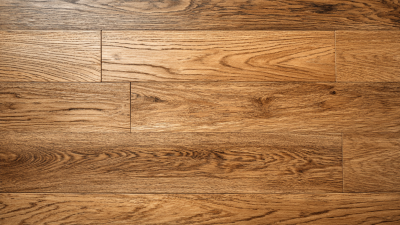
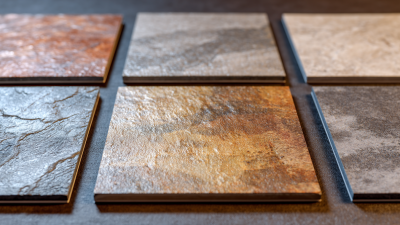
Moreover, vinyl tiles can be further classified into various types based on material composition and design. Luxury vinyl tiles (LVT) mimic the appearance of natural wood or stone, providing an aesthetic finish without the drawbacks of their natural counterparts. Sheet vinyl offers a seamless look and is well-known for its water resistance, making it a practical option for areas like kitchens and bathrooms. Additionally, peel-and-stick vinyl tiles offer a straightforward installation process, which is perfect for those looking to refresh their flooring with minimal effort. By recognizing the different types of vinyl floor tiles, you can make informed decisions that align with your home’s functionality and aesthetics.
Evaluating Durability and Maintenance Requirements for Vinyl Floors
When considering vinyl floor tiles for your home, evaluating their durability and maintenance requirements is crucial to making an informed decision. According to a report by the Resilient Floor Covering Institute (RFCI), high-quality vinyl flooring can last between 10 to 25 years, significantly influenced by the thickness of its wear layer and the installation method used.
For example, vinyl planks with a wear layer thickness of 20 mil or higher are generally more resilient against scratches and dents, making them an ideal choice for high-traffic areas.
Maintenance of vinyl flooring is another critical factor to assess. A study conducted by the International Floor Covering Association highlights that vinyl floors require less upkeep compared to traditional hardwood or tile options. The average maintenance time for vinyl flooring is about 25% less, with simple sweeping and occasional mopping being sufficient to keep them looking their best.
Additionally, many vinyl floors are resistant to stains and moisture, which reduces the need for harsh cleaning chemicals and simplifies the overall care process. By considering these durability and maintenance aspects, homeowners can confidently select vinyl floor tiles that will meet their lifestyle needs and aesthetic preferences.
Considering Style and Aesthetic Options for Your Home
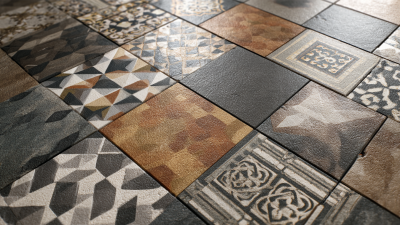
When selecting vinyl floor tiles for your home, style and aesthetic are crucial factors that can dramatically influence the overall ambiance of your space. The wide variety of design options available allows homeowners to match their flooring choice with their personal taste, whether that’s a sleek modern look or a rustic farmhouse vibe. From classic wood or stone appearances to vibrant colors and bold patterns, it’s important to visualize how each option will integrate with your existing decor. Think about the mood you want to create; for example, lighter shades can make a room feel airy and spacious, whereas darker hues often add warmth and intimacy.
Furthermore, consider the texture and finish of the vinyl tiles. Glossy finishes can provide a contemporary flair and reflect light beautifully, while matte finishes offer a more understated, subtle elegance. It’s also worth experimenting with tile sizes; larger tiles can help create a seamless look in spacious areas, while smaller tiles can add intricate detail in cozier spots. Reflect on how you use each room—perhaps a playful pattern in a children’s playroom brings joy, while a sophisticated design in your living area enhances a welcoming atmosphere. Ultimately, educating yourself on style options will not only help you choose the right vinyl tiles but also enable you to make a statement that reflects your unique style throughout your home.
10 Essential Tips for Choosing Vinyl Floor Tiles
Assessing Cost and Budget Implications for Vinyl Flooring Choices
When considering vinyl floor tiles for your home, assessing the cost and budget implications is a crucial step. Vinyl flooring comes in a variety of styles and qualities, which can significantly affect the overall cost. It is essential to establish a budget before starting your selection process. Determine how much you are willing to spend, including installation and maintenance costs. This will help narrow down your options and prevent overspending.
One tip for managing costs is to compare prices across different suppliers. Take the time to shop around, as prices can vary widely. Look for sales or discounts that could provide significant savings on your purchase. Additionally, consider financing options if upfront costs pose a challenge. Another helpful strategy is to choose standard sizes of tiles rather than custom cuts, which can drive up expenses.
Additionally, it's beneficial to factor in long-term costs, including durability and maintenance needs. Opting for higher-quality vinyl may come with a higher initial price, but it often pays off in reduced long-term replacement and repair needs. As you make your selection, weigh the immediate expenses against potential future savings, ensuring that you choose a flooring option that not only fits your aesthetic desires but also aligns with your budgetary constraints.
10 Essential Tips for Choosing the Best Vinyl Floor Tiles for Your Home
| Tip |
Description |
Estimated Cost ($/sq ft) |
Long-Term Durability |
| Consider the Thickness |
Thicker tiles tend to be more durable and soundproof. |
$2 - $5 |
High |
| Check for Warranty |
Look for tiles with a long warranty period for assurance. |
$3 - $6 |
Medium |
| Choose the Right Finish |
Different finishes offer various aesthetics and maintenance needs. |
$1.50 - $4 |
Variable |
| Assess Environmental Impact |
Select eco-friendly options to reduce your environmental footprint. |
$2.50 - $5.50 |
Medium |
| Consider Color and Pattern |
Choose colors and patterns that match your home decor. |
$2 - $7 |
Variable |
| Evaluate Moisture Resistance |
Ensure the vinyl tiles are suitable for high moisture areas. |
$3 - $6 |
High |
| Installation Type: Glue Down vs. Click Lock |
Choose installation method based on personal preference and skill level. |
$1.50 - $4 |
Medium |
| Check for Safety Certifications |
Ensure compliance with safety standards for indoor air quality. |
$2 - $5 |
High |
| Compare Prices and Read Reviews |
Research prices from different suppliers and check customer feedback. |
$1.50 - $6 |
Variable |
Researching Installation Methods and Professional Help for Vinyl Tiles
When considering the installation of vinyl floor tiles in your home, understanding the various installation methods is crucial for achieving the best results. According to a report by the National Wood Flooring Association, over 60% of professional installers recommend glue-down installation for its durability and stability, especially in high-traffic areas. This method involves applying adhesive directly to the subfloor, which secures the tiles firmly in place, reducing the likelihood of movement and shifting over time. Alternatively, floating installations, which utilize a click-lock mechanism, are favored for their ease of DIY installation, allowing homeowners to cover larger spaces without professional assistance.
However, enlisting professional help can yield significant benefits. A survey conducted by the Home Improvement Research Institute revealed that homes utilizing professional installation services reported a 25% increase in satisfaction compared to those who self-installed. Professionals not only bring expertise in ensuring a seamless finish but also provide insights into moisture barriers and subfloor preparation, which are critical for the longevity of vinyl tiles. Moreover, skilled installers are familiar with best practices that comply with the latest building codes, which enhances the overall safety and performance of the flooring. Understanding both the installation options and the advantages of hiring professionals can guide homeowners in making informed decisions for their flooring projects.