What is PVC Floor and Why Should You Choose It?
When considering flooring options, PVC floor stands out as a popular choice for many homeowners. According to John Smith, a renowned flooring expert, "PVC floors offer durability and style that suits modern living." This material is not only versatile but also affordable, making it accessible to various budgets.
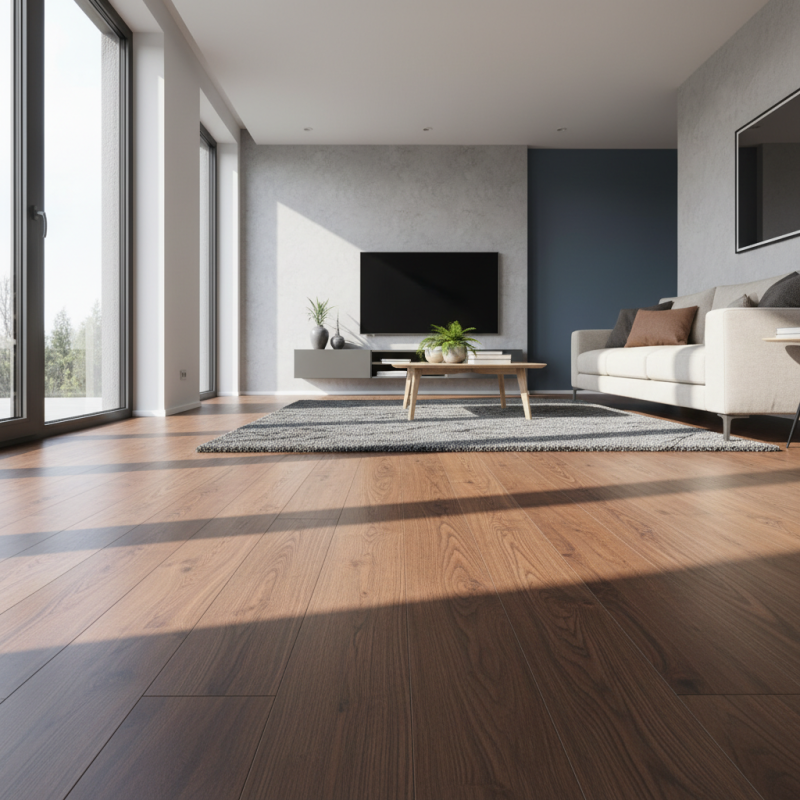
PVC floor consists of polyvinyl chloride, known for its strength and resistance to wear. It can mimic the appearance of natural materials like wood and stone. Homeowners appreciate this benefit, as they can achieve stunning aesthetics without the high maintenance associated with natural floors.
However, it’s important to choose high-quality PVC flooring to avoid issues like fading or curling. While affordable, not all PVC floors are created equal. Investigating the options available can help ensure a wise investment for your space.
What is PVC Flooring?
PVC (polyvinyl chloride) flooring is a popular choice for both residential and commercial spaces. It is known for its durability and affordability. Made from synthetic materials, PVC flooring can mimic the look of natural materials like wood or stone. This versatility makes it suitable for various design preferences.
One of the standout features of PVC flooring is its resistance to moisture. This makes it a practical option for areas prone to spills, like kitchens or bathrooms. It also offers a comfortable underfoot experience, making long hours spent standing more tolerable. However, some may find it less appealing compared to genuine materials.
Tips: When choosing PVC flooring, consider the installation process. Certain options are designed for easy DIY installation. This can save costs but requires careful measurement. Also, ensure proper maintenance to extend the lifespan of your floors. Simple cleaning routines can prevent wear over time. Opt for products that allow for easy repairs in case of damage.
While PVC flooring features many benefits, it's essential to weigh all factors. Some users may notice issues with fading or scratching over time. Choosing the right type and finish can mitigate this. Always reflect on your specific needs and preferences before making a final decision.
Composition and Types of PVC Flooring
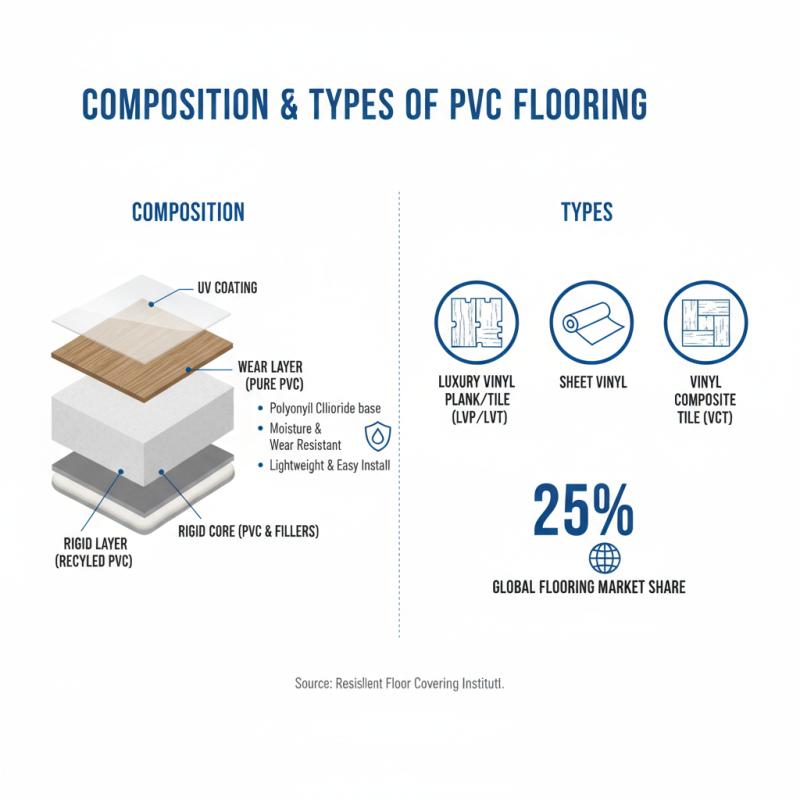
PVC flooring is gaining popularity due to its versatility and durability. It is composed of polyvinyl chloride, a type of plastic that makes it resistant to moisture and wear. This material is lightweight, making it easy to transport and install. According to the Resilient Floor Covering Institute, PVC flooring accounts for approximately 25% of the global flooring market. This statistic hints at its growing acceptance in both residential and commercial spaces.
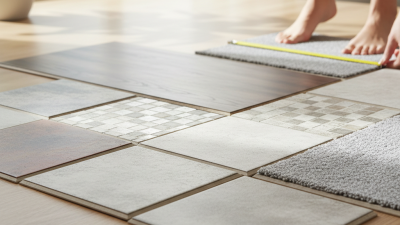
There are multiple types of PVC flooring available. Luxury vinyl tiles (LVT) and vinyl sheets are among the most used. LVT mimics natural materials like wood and stone, providing aesthetic appeal. Vinyl sheets, on the other hand, offer a seamless appearance ideal for areas prone to spills. The choice between them often depends on the specific use case and the desired look. However, while PVC flooring is durable, it still requires proper maintenance. Stains and scuffs can occur if the surface is not cared for adequately. Flooring solutions must strike a balance between luxury and practicality, which is not always easy to achieve.
Market research highlights that the demand for eco-friendly options is increasing. Consumers are looking for sustainable flooring solutions that minimize environmental impact. Some PVC products are now made with recycled materials and are phthalate-free. It is crucial to stay informed about these advancements. Choosing the right type of PVC flooring can enhance any space while keeping environmental concerns in check.
Advantages of Choosing PVC Flooring
PVC flooring is gaining popularity for good reasons. Many homeowners appreciate its durability and affordability. It can withstand heavy foot traffic, making it ideal for both commercial and residential spaces. One of the most attractive features is its water resistance. This characteristic makes it perfect for kitchens and bathrooms where spills are common.
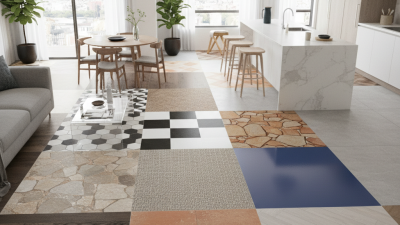
Another advantage of PVC flooring is its variety of designs. You can find options that mimic the appearance of natural materials like wood or stone. This means you can achieve an elegant look without breaking the bank. However, some may argue that it lacks the authenticity of real materials. Still, PVC offers a practical solution that is easy to maintain.
Moreover, installation is relatively straightforward. Homeowners can often install it themselves, saving on labor costs. Yet, it is essential to ensure proper subfloor preparation. An uneven surface can lead to problems down the line. While PVC flooring is a fantastic choice for many, potential buyers should weigh its pros and cons carefully to find the best fit for their needs.
Advantages of Choosing PVC Flooring
Installation Process of PVC Flooring
The installation process of PVC flooring is straightforward, making it a popular choice for homeowners. Begin by preparing the subfloor. It needs to be clean, dry, and smooth. Any imperfections can affect the final look. Check for moisture levels, as this can damage the flooring later.
Next, lay down an underlayment if required. This helps with sound absorption and adds a cushion. Roll out the PVC flooring, ensuring it acclimates to the room temperature. Cut the pieces to fit the space, using a sharp utility knife for clean edges. Precision is key here; jagged cuts can ruin the overall appearance.
When placing the tiles or planks, make sure to leave a small gap around the edges. This allows for expansion and contraction. Secure the flooring using adhesive if necessary, but be cautious. Too much glue can create a mess. After installation, walk on the flooring carefully to avoid any shifts. Remember, initial care helps maintain the look and longevity of your PVC floor.
Maintenance Tips for PVC Flooring
PVC flooring has gained popularity due to its durability and aesthetic appeal. However, maintenance is crucial for longevity. To keep your PVC floor in top shape, regular cleaning is essential. According to industry reports, over 60% of homeowners overlook routine maintenance. This often leads to wear and tear that could have been prevented.
Using a damp mop with mild detergent can effectively remove dirt without damaging the floor. Avoid harsh chemicals, as they can degrade the surface. Letting spills sit can also lead to stains. Cleaning up promptly helps maintain the floor's appearance. Interestingly, specialists recommend a deep clean every six months to tackle grime buildup.
Furthermore, protecting your floor from scratches is vital. Simple measures like placing mats or rugs at entryways significantly reduce dirt accumulation. Industry data shows that nearly 40% of PVC floor damage comes from debris. Regularly inspecting for scratches and addressing them promptly can extend your floor's life. Taking these steps may seem trivial, but they make a considerable difference.