What is PVC Sport Flooring and its Benefits for Athletes?
PVC sport flooring has gained popularity in athletic facilities due to its numerous benefits. According to Dr. Michelle Hart, a leading expert in sports flooring technology, "PVC sport flooring offers unmatched durability and safety for athletes." This material enables athletes to perform at their best while minimizing the risk of injury.
The texture and resilience of PVC sport flooring provide excellent grip and shock absorption. Athletes report a more comfortable experience during training and competition. This flooring type allows for quick movements and enhances performance. However, not all PVC options are created equal, and quality matters significantly.
While PVC sport flooring can significantly improve an athlete's experience, some overlook maintenance and installation details. Proper care is essential to ensure longevity and performance. Choosing the right type for specific sports requires research and understanding. Balancing cost and quality remains a challenge, but the benefits can outweigh the initial investment.
What is PVC Sport Flooring?
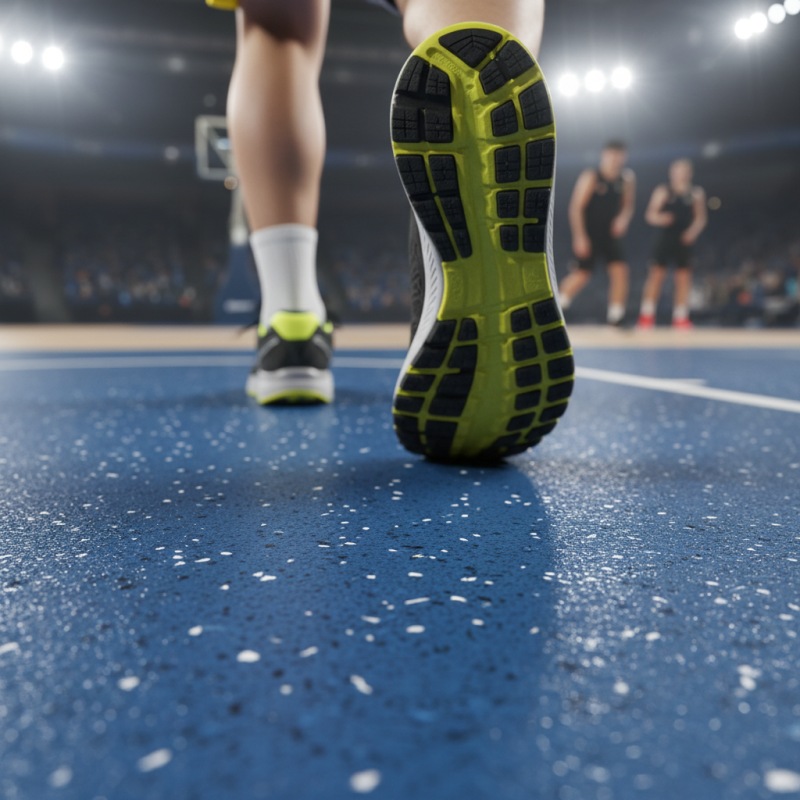
PVC sport flooring is a popular choice for various athletic activities. It is made from durable polyvinyl chloride, known for its resilience and flexibility. This type of flooring offers a smooth surface that enhances movement and minimizes the risk of injuries. Athletes often appreciate how it absorbs impact, providing comfort during intense workouts.
One notable feature of PVC flooring is its resistance to moisture. This is crucial for gyms or facilities where sweat is a concern. It helps create a cleaner environment. However, maintenance can be tricky. Regular cleaning is essential to prevent buildup of dirt, which can cause slipping. Some may find the installation process challenging; it requires careful preparation to ensure longevity.
In addition, PVC flooring comes in various colors and designs, allowing for creative aesthetics. Yet, sometimes, choices can be overwhelming. Athletes may debate which style suits their needs best. The versatility of this flooring appeals to many, but individual preferences vary. Each athlete has unique requirements, making it vital to consider personal needs when selecting flooring.
PVC Sport Flooring Benefits for Athletes
Key Characteristics of PVC Sport Flooring
PVC sport flooring is gaining popularity among athletes for its unique characteristics. One of its most notable traits is durability. It can withstand heavy foot traffic and resist wear over time. This makes it ideal for various sports facilities, including gyms and courts. Additionally, PVC flooring is often easy to clean, allowing athletes to train in a hygienic environment.
Another significant aspect is its shock absorption. This feature helps reduce the impact on athletes’ joints. It can minimize the risk of injuries during intense workouts or competitions. The smooth surface also provides good traction, which can enhance performance. However, some athletes might find that certain textures can feel slippery when wet. It's crucial to choose a flooring that suits your sport and training needs.
Tips for choosing PVC flooring include considering the thickness for better shock absorption. Thicker options tend to offer greater protection. Check for surface textures that ensure grip during play. Finally, ensure the flooring is certified for sports use. This can save you from unexpected injuries or performance issues. Remember, not all PVC floors are created equal. Reflect on what specifications truly benefit your sport.
Advantages of PVC Sport Flooring for Athletes
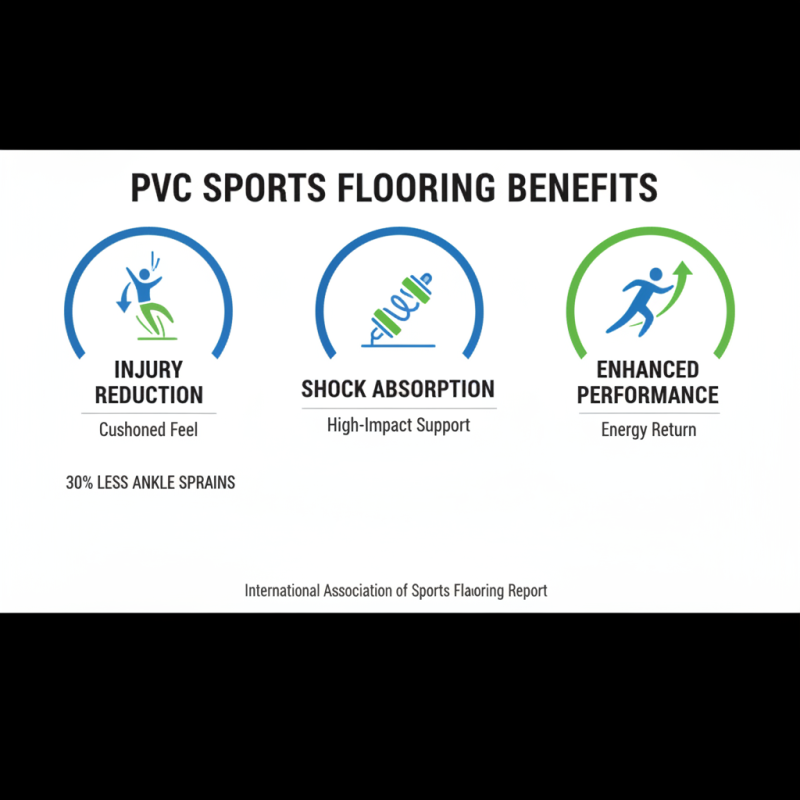
PVC sport flooring offers numerous advantages for athletes. The surface is designed to provide a cushioned feel, which helps reduce the risk of injuries. According to a report from the International Association of Sports Flooring, proper flooring can lower the chance of ankle sprains by up to 30%. Athletes require surfaces that can support high-impact activities. PVC flooring achieves this by absorbing shock and enhancing performance.
Moreover, PVC sport flooring is easy to maintain. Dirt and spills can be cleaned quickly, allowing for a safer playing environment. A recent survey indicated that 85% of athletes preferred surfaces that required less upkeep. This convenience promotes a more hygienic space, reflecting positively on the athletes' health. Additionally, good flooring can enhance grip and movement speed, crucial for competitive sports.
However, not all athletes have the same experience with PVC surfaces. Some feel that they are too slippery when wet. Others mention that certain types of PVC flooring can wear down faster under heavy use. It’s essential for facilities to consider these factors when selecting flooring. Each choice carries trade-offs, and understanding these nuances can lead to more informed decisions in sports environments.
Impact on Athletic Performance and Safety
PVC sport flooring is designed to enhance athletic performance. Its unique surface absorbs impacts and reduces stress on joints. This can be crucial for athletes who train or compete regularly. Research shows that athletes using PVC floors experience fewer injuries compared to traditional surfaces. For example, a study by the Sports Flooring Association noted a 25% decrease in lower body injuries on PVC surfaces.
The safety aspect is significant. PVC flooring offers excellent traction. This helps prevent slips and falls during intense activities. According to recent findings, nearly 60% of athletes reported feeling more stable and secure on PVC floors. The cushioning effect also aids in improving energy return. Athletes can perform better with less fatigue, as their bodies take less impact during movements. Many coaches have observed improved performance metrics when athletes switch to this flooring.
However, not all PVC floors are equal. Some variations may lack the same performance benefits. It's important to choose high-quality options. Athletes should consider personal experiences and test the flooring before committing. This can lead to better training outcomes and safer environments.
Maintenance and Durability of PVC Sport Flooring
PVC sport flooring is gaining traction in athletic venues for its durability. This material stands up well against heavy foot traffic. Athletes benefit from a stable and supportive surface. However, it requires regular maintenance to retain its quality.
Cleaning is important. Regular sweeping or vacuuming can keep debris at bay. Use a damp mop for deeper cleans. Sudden spills should not be ignored as they can lead to slippery surfaces.
Tip: Always test a cleaning solution in a small area first. Watch for any discoloration. A spot treatment may be necessary for tough stains. This small step can help prevent bigger issues down the line.
Another consideration is long-term durability. While PVC is tough, it can become damaged. Heavy objects or sharp tools can create unexpected marks. Monitor the surface regularly for signs of wear. Maintaining a routine check can extend the flooring's lifespan. An ounce of prevention is worth a pound of cure.