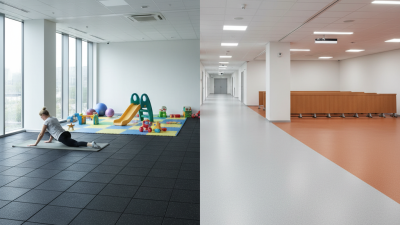
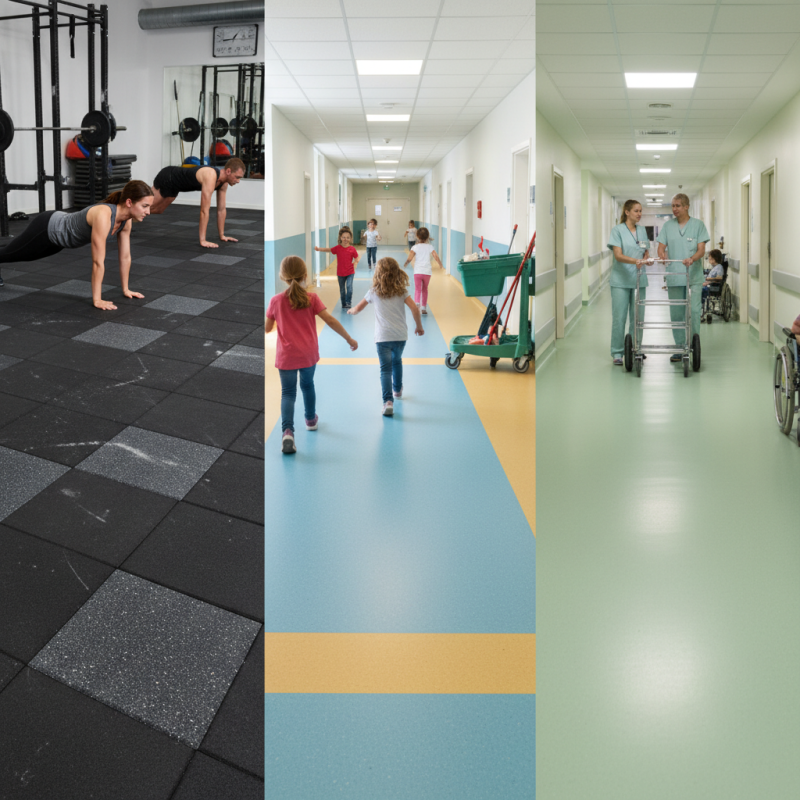
Rubber Floor has gained popularity for its versatility and durability. This material is made from natural or synthetic rubber. Its cushioning properties make it ideal for high-traffic areas. Rubber flooring is often used in gyms, schools, and healthcare facilities.
In gyms, Rubber Floor helps absorb impact during workouts. It reduces noise and provides traction. In schools, it offers safety for children. The surface is slip-resistant and easy to clean. In healthcare, Rubber Floor supports infection control. It can withstand heavy equipment and foot traffic.
The use of Rubber Floor offers many advantages. However, there are drawbacks to consider. Some people may find the texture uncomfortable. It can also be challenging to repair if damaged. Despite these issues, Rubber Floor remains a popular choice for many settings.
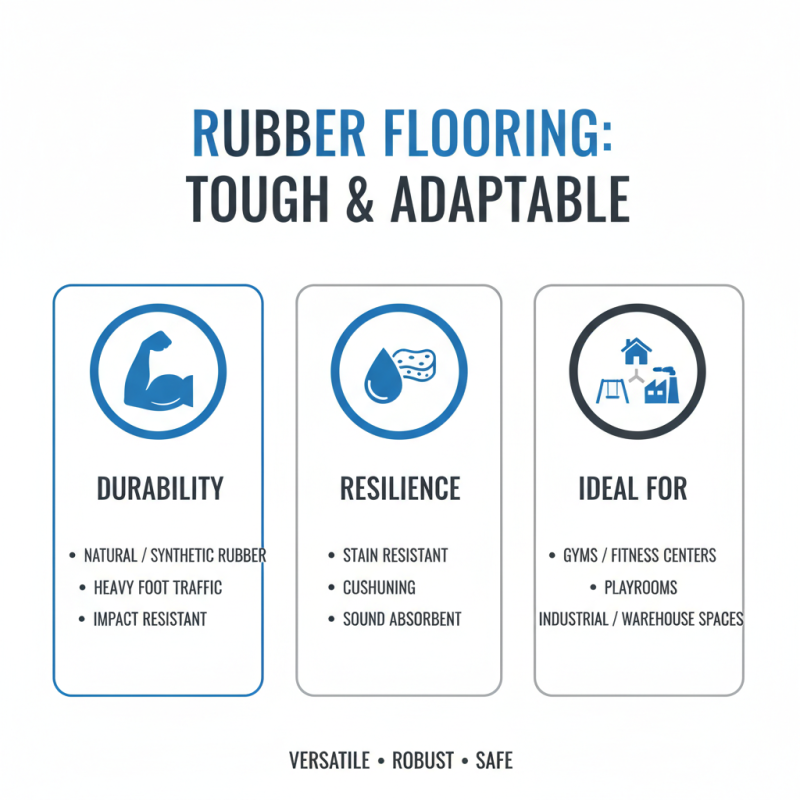
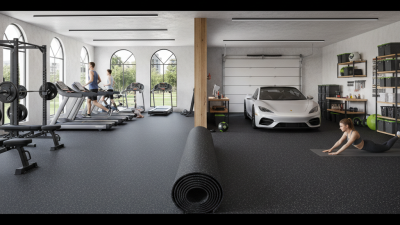
Rubber flooring is a versatile material used in many different settings. It is made from natural or synthetic rubber, which provides durability and resilience. This type of flooring is ideal for areas with heavy foot traffic. It can withstand impacts and resist stains, making it perfect for gyms, playrooms, and industrial spaces.
In homes, rubber flooring is often used in basements and laundry rooms. It offers comfort underfoot, reducing fatigue during long periods of standing. The various colors and patterns available make it easy to customize any space. However, some people may find rubber flooring less appealing visually compared to hardwood or tiles. This aesthetic preference can be a concern when selecting flooring for a stylish home.
Additionally, installation can be tricky. Some types require professional help, while others are DIY-friendly. Improper installation can lead to problems like bubbling or lifting edges. Cleaning and maintenance are relatively easy, but the surface can sometimes retain odors. These flaws remind us that every material has its benefits and challenges.
Rubber flooring is gaining popularity across various environments. It’s especially sought after in gyms, schools, and healthcare facilities. Each setting requires specific flooring characteristics. For instance, gyms benefit from shock-absorption features. This helps reduce injury risks during workouts.
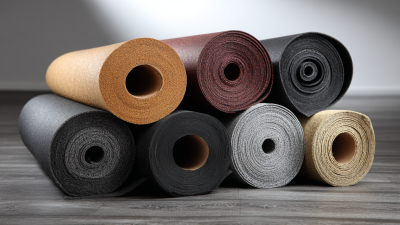
There are several types of rubber flooring. Interlocking tiles are ideal for quick installations. They provide flexibility for changing layouts. Rolls of rubber flooring are another option, offering a seamless surface. This type is easier to clean and maintain. According to industry reports, rubber flooring can reduce noise levels by up to 50%. This benefit is crucial in noisy environments like schools.
Moreover, rubber flooring comes in various thicknesses and colors. Thicker options offer better cushioning. Some colors can give a vibrant look, while others promote a calming atmosphere. However, finding the right combination can be challenging. Not every choice fits every environment perfectly. It requires careful planning and consideration. In some cases, the initial cost may deter potential users. But reports indicate that rubber flooring can last over 20 years with proper care. Longevity adds significant value, countering the initial investment.
Rubber flooring is increasingly popular in various settings due to its durability and versatility. In commercial spaces, rubber flooring can handle heavy foot traffic. It’s often found in gyms, where it provides cushioning and reduces the risk of injury. According to a report by the National Safety Council, rubber surfaces can decrease slip-and-fall incidents by up to 60%.
In healthcare facilities, rubber flooring has significant benefits. Its sound-absorbing qualities create a quieter environment. Many hospitals choose rubber for its ease of cleaning and resistance to stains. Studies indicate that these surfaces can improve hygiene, lowering contamination rates. However, some still question the long-term performance of rubber flooring in high-traffic areas.
Educational institutions frequently use rubber flooring in classrooms and gymnasiums. Schools appreciate its affordability and safety features. It offers shock absorption, which is crucial for preventing injuries during physical activities. However, some maintenance issues need attention, as rubber can show wear over time. Regular inspection is essential to ensure longevity. Despite these challenges, people continue to recognize rubber flooring for its practicality and benefits across various settings.
| Setting | Common Applications | Benefits |
|---|---|---|
| Gymnasiums | Flooring for weightlifting, cardio areas, and exercise studios | Shock absorption, slip resistance, comfort |
| Playgrounds | Soft surface for children's play areas | Safety, durability, easy maintenance |
| Healthcare Facilities | Flooring in hospitals, clinics, and waiting rooms | Hygienic, antimicrobial properties, comfort for standing |
| Commercial Kitchens | Non-slip flooring for restaurant kitchens | Slip resistance, ease of cleaning, durability |
| Retail Stores | Flooring in shops for comfort and aesthetics | Aesthetic appeal, durability, ease of upkeep |
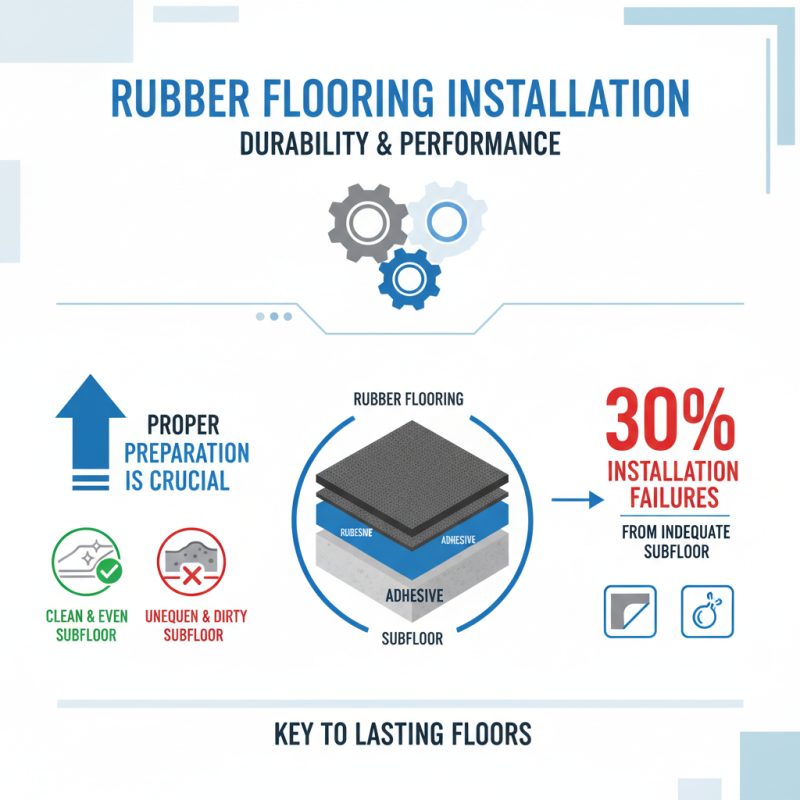
The installation process for rubber flooring is essential for achieving durability and performance. Proper preparation of the subfloor is crucial. An uneven or dirty surface can lead to issues like peeling or bubbling in the future. According to industry reports, 30% of installation failures stem from inadequate subfloor conditions.
Before installation, ensure the subfloor is clean and dry. Moisture testing is recommended. If moisture levels exceed 3 lb/1000 sq ft, use a moisture barrier. Once the subfloor is ready, gather the necessary tools. Tools like a utility knife, straight edge, and double-sided tape are essential.
The next step involves cutting the rubber flooring to size. A skilled installer will account for expansion gaps. On average, leaving a 1/4-inch gap near walls prevents compressive forces from affecting the flooring. Rolls or tiles must fit snugly, with no gaps that may trap dirt. Some installers prefer using glue; others opt for floating installations. Each method has pros and cons. Reflecting on your choice can lead to better outcomes.
Rubber flooring offers numerous advantages, especially in high-traffic areas. Its elasticity makes it comfortable to walk on, which is essential in settings like gyms and children's playrooms. The floor absorbs impact, reducing fatigue during long hours of use. A soft surface can also prevent injuries from falls, which is crucial in spaces where safety is a priority.
Maintenance of rubber flooring is relatively straightforward. Regular sweeping and occasional mopping keep it clean. However, stubborn stains may require special attention. Some people find it challenging to remove certain marks. It's essential to be cautious with abrasive cleaners, as they can damage the surface. Periodic inspection is also important. Over time, rubber can wear down, leading to a less attractive appearance.
In addition to its practical benefits, rubber flooring adds a unique aesthetic to a space. It comes in various colors and patterns, allowing for creative design options. However, color fading can occur in direct sunlight; this is a point worth considering. With proper care, rubber flooring can maintain its look and performance for years. But neglect can lead to unexpected costs in repairs or replacements.