What is Rubber Floor and Why You Should Consider It for Your Space
Rubber flooring has emerged as a leading choice in various spaces due to its unmatched durability, comfort, and versatility. According to a report from Global Market Insights, the rubber flooring market is projected to reach USD 5 billion by 2026, driven by increasing demand in commercial and residential applications. Its unique properties make it an excellent solution not only for gyms and play areas but also for healthcare facilities and educational institutions, where safety and hygiene are paramount.
Industry expert Dr. Emily Carter, a renowned architect and flooring consultant, emphasizes the significance of choosing the right material for flooring. "Rubber floors provide an ideal combination of cushioning and resilience, making them suitable for high-traffic areas, while also promoting a safer environment for users," she states. As more designers and architects recognize the benefits of rubber flooring, its adoption rates continue to climb, showcasing a shift towards eco-friendly and sustainable building materials.
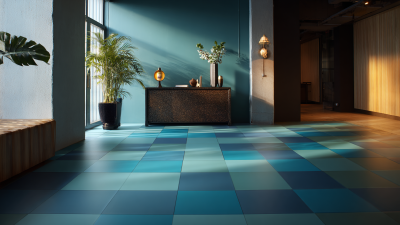
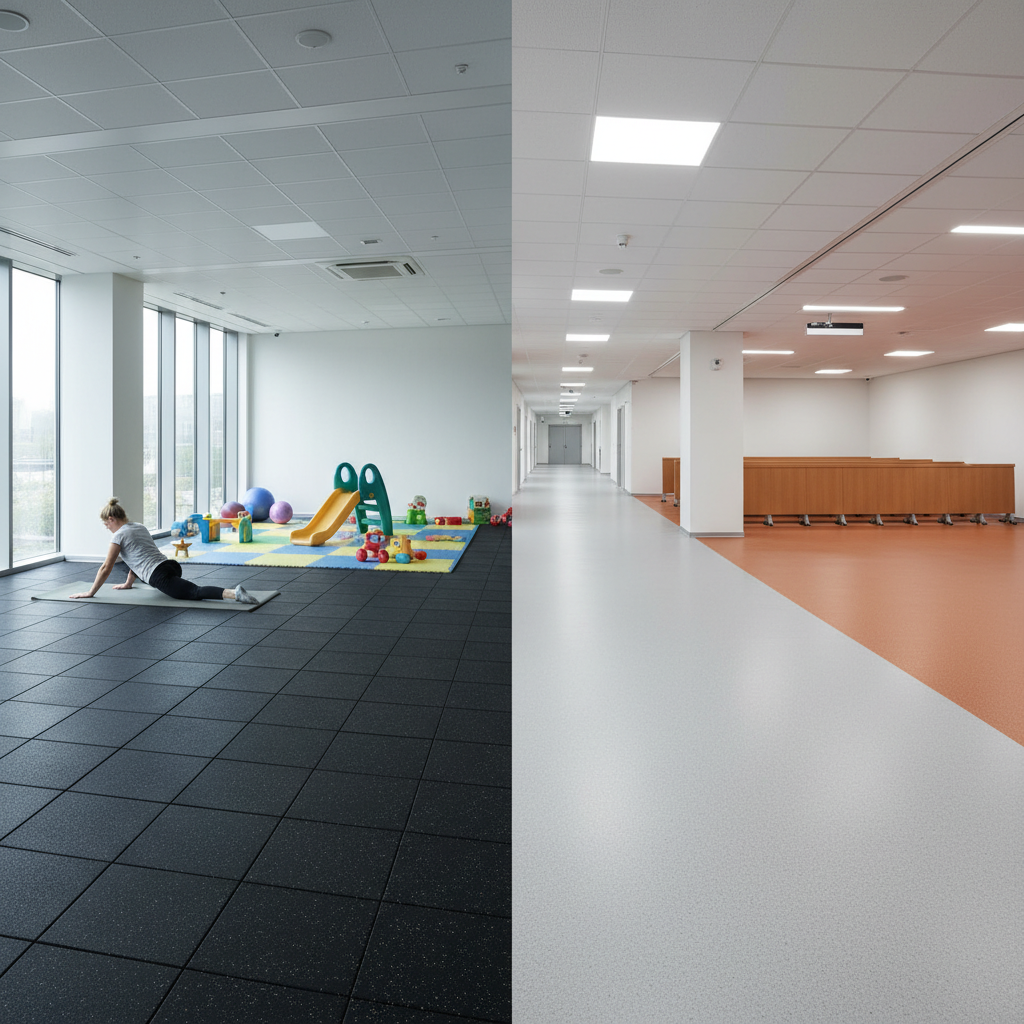 With a variety of colors, textures, and finishes available, Rubber Floor solutions allow for creative design possibilities without compromising on functionality. As we explore the advantages of this innovative flooring option, it becomes clear why it deserves consideration for your next project. The choice of rubber flooring is not merely an aesthetic decision; it represents a commitment to quality, safety, and sustainability.
What is Rubber Flooring and Its Composition Explained
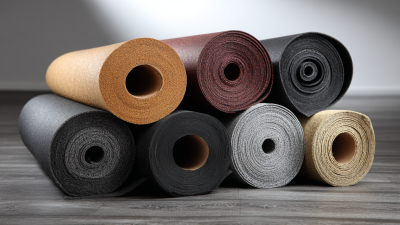
Rubber flooring, a versatile and durable option, has become increasingly popular across various sectors, primarily due to its unique composition and benefits. Made from natural rubber or synthetic materials like styrene-butadiene rubber (SBR), rubber flooring typically consists of about 25-30% rubber granules held together with a binder, which provides cushioning and resilience. According to a report by the International Institute of Rubber Research and Development, the global rubber flooring market was valued at approximately $3 billion in 2021, with projections suggesting a steady growth of around 5% annually. This rise can be attributed to its appealing characteristics for both residential and commercial spaces, including enhanced safety and longevity.
One of the standout features of rubber flooring is its ability to absorb impact and reduce noise, making it an ideal choice for gyms, playrooms, and even healthcare facilities. A study by the National Floor Safety Institute indicates that slip and fall accidents are a significant concern in many environments; rubber flooring's textured surface drastically minimizes these risks. Furthermore, with a lifespan of 20 years or more when properly maintained, this flooring option offers an attractive long-term investment. The inherent properties of rubber—such as moisture resistance and ease of maintenance—make it not just a functional choice but also a sustainable one, reducing the need for frequent replacements and contributing to eco-friendly practices in construction and design.
Benefits of Using Rubber Flooring in Commercial and Residential Spaces
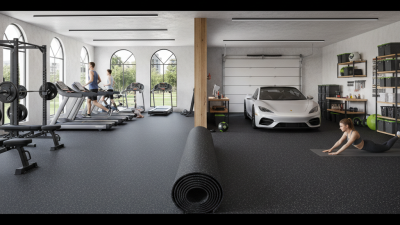
Rubber flooring has emerged as a popular choice for both commercial and residential spaces due to its unique benefits. One of the primary advantages is its durability; rubber flooring can withstand heavy foot traffic, making it perfect for high-traffic areas such as gyms, hospitals, and schools. Additionally, it offers excellent shock absorption, which is crucial for environments where falls might occur, thus enhancing safety.
Another key benefit of rubber flooring is its ease of maintenance. Unlike traditional flooring options, rubber does not require extensive upkeep, making it a practical choice for busy spaces. Regular sweeping and occasional damp mopping are usually sufficient to keep it looking great. Moreover, rubber flooring comes in various colors and textures, allowing for aesthetic flexibility that can complement any design scheme.
**Tips:** When choosing rubber flooring, consider the specific needs of your space, such as slip resistance and overall style. It's also wise to invest in high-quality materials to ensure longevity. For increased comfort, think about rubber tiles or rolls that include sound absorption features, especially in communal or shared areas.
Different Types of Rubber Flooring: Options and Applications
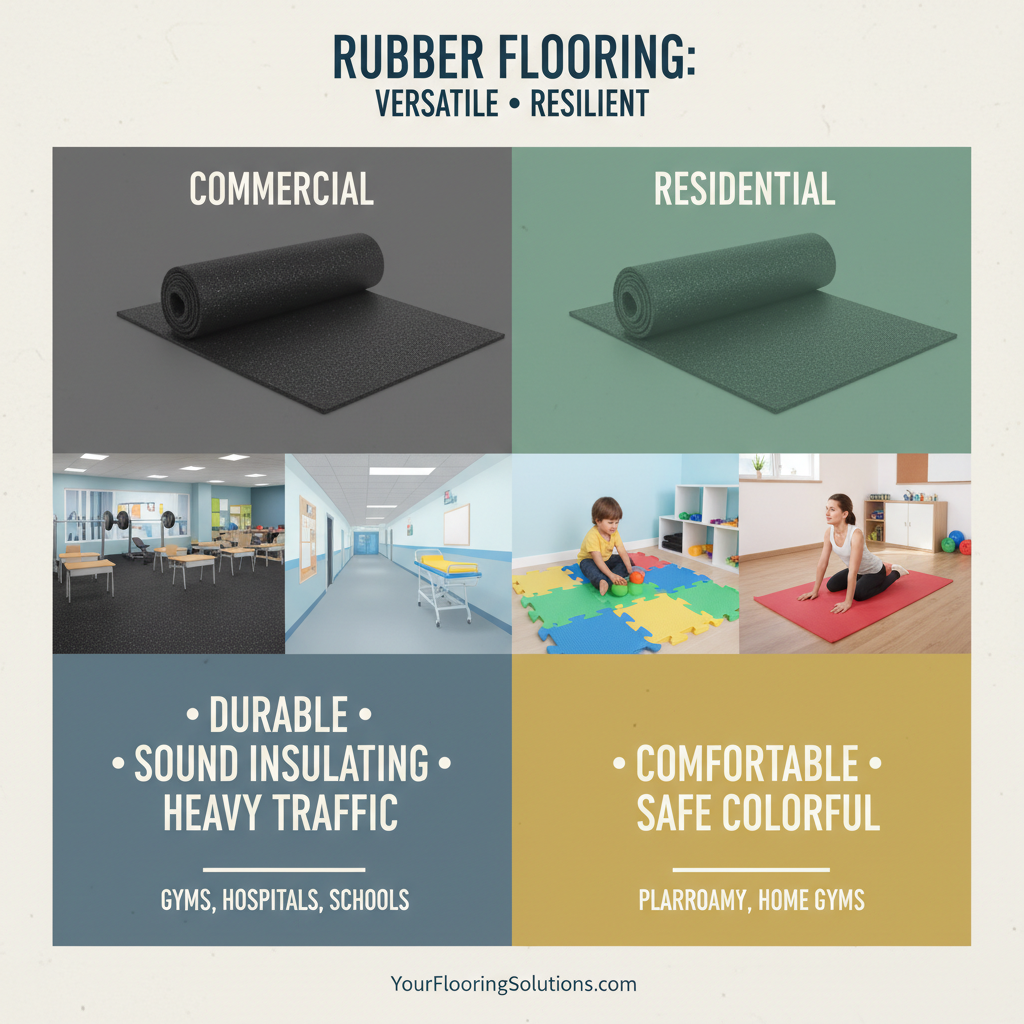
Rubber flooring offers a versatile choice for various spaces, thanks to its durability, slip-resistance, and comfort underfoot. Different types of rubber flooring cater to a multitude of applications, ranging from commercial environments to residential settings. For instance, commercial-grade rubber flooring is often used in gyms, hospitals, and schools because it can withstand heavy traffic and provide sound insulation. Meanwhile, softer, colorful rubber tiles are becoming increasingly popular in playrooms and home gyms, providing a safe and engaging environment for children and fitness enthusiasts alike.
As the U.S. resilient flooring market is projected to grow from $10.62 billion in 2024 to an impressive $14.82 billion by 2032, it's clear that the demand for rubber flooring is on the rise. This growth can be attributed to a growing awareness of the benefits of rubber flooring, including its eco-friendliness and low maintenance requirements. Additionally, advancements in manufacturing processes have expanded the variety of designs and textures available, appealing to both aesthetic and functional needs.
Tips for choosing rubber flooring include considering the specific use of the space—thicker materials may be ideal for high-traffic areas, while lighter options can work well for home environments. Also, ensure the rubber flooring meets safety standards, especially in homes with children or elderly residents. Lastly, take into account the flooring's lifecycle impact; opting for recycled rubber can contribute to a more sustainable choice.
Installation Process and Maintenance Tips for Rubber Flooring
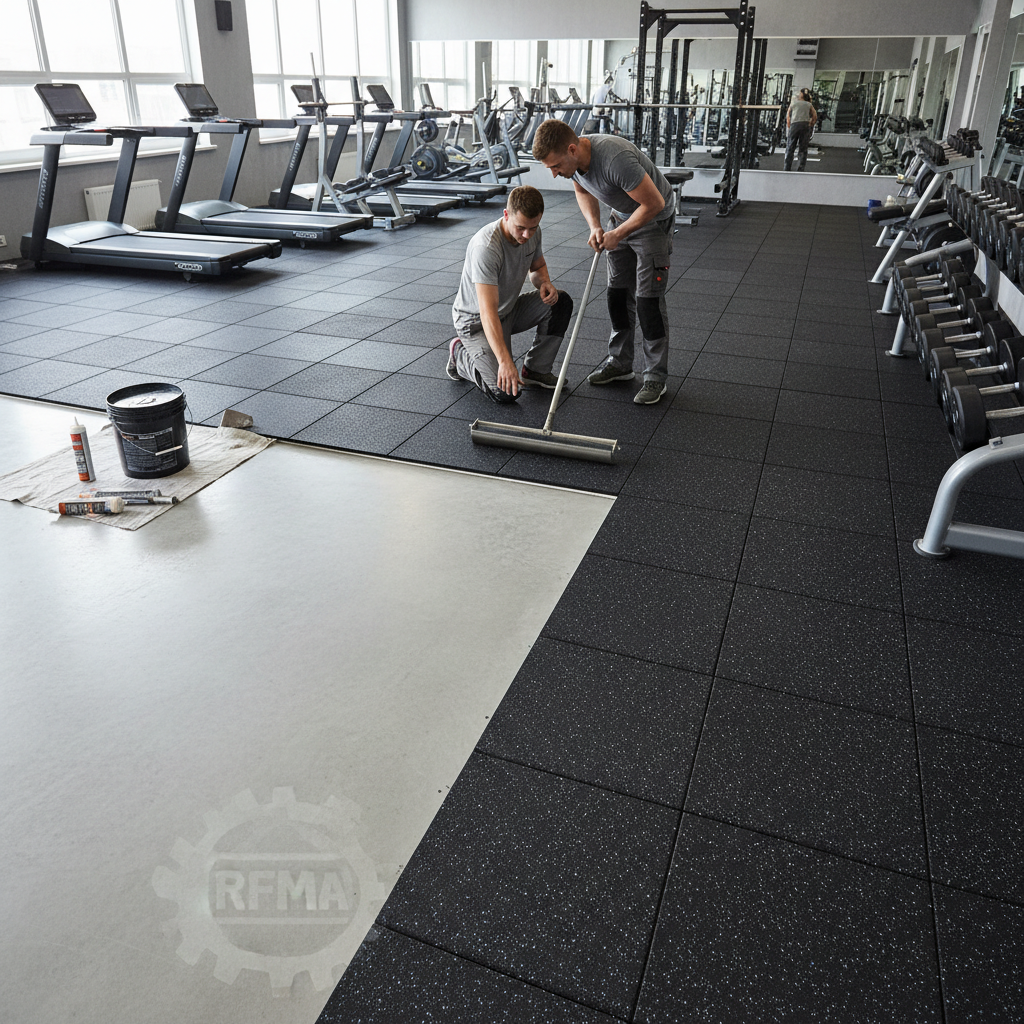
Rubber flooring has emerged as a popular choice in both residential and commercial spaces due to its
durability and unique aesthetic appeal. The installation process typically involves a few key steps that can vary depending on the type of rubber flooring selected—whether it's tiles, rolls, or mats. According to the Rubber Floor Manufacturing Association, the subfloor should be properly prepared, requiring it to be clean, dry, and level for optimal adhesion. For most installations, a high-quality adhesive is applied to ensure that the flooring remains firmly in place, reducing the risk of slips and injuries.
Once installed, maintaining rubber flooring is relatively straightforward. Regular cleaning with mild soap and water is often sufficient, as it is resistant to stains and spills. The American Journal of Public Health indicates that rubber flooring's antimicrobial properties help maintain a hygienic environment, making it a suitable option for schools and healthcare facilities. Additionally, it's advisable to occasionally apply a specialized conditioner to preserve the material's elasticity and appearance. By following these maintenance tips, rubber flooring can last for many years, proving to be both a practical and stylish investment for any space.
Cost Considerations and Longevity of Rubber Flooring Solutions
Rubber flooring has emerged as a popular choice for both residential and commercial spaces due to its durability and comfort. When considering the costs associated with rubber flooring, it's essential to weigh both the initial investment and the long-term benefits. According to a report by the Resilient Floor Covering Institute, rubber flooring can range from $2 to $15 per square foot, depending on the quality and design. While the upfront cost may seem higher than traditional flooring options, rubber's longevity—often lasting 20 years or more—makes it a wise investment over time.
In terms of maintenance, rubber flooring is low-maintenance and resistant to water and abrasions, which can significantly reduce lifetime costs. Regular cleaning with a mild detergent is usually all that's required to keep it looking fresh and new. Additionally, rubber flooring can improve indoor air quality by minimizing dust and allergens, a feature supported by research from the U.S. Green Building Council.
**Tips:** When choosing rubber flooring, consider options with higher recycled content for an eco-friendly choice. Always request samples to test the texture and color in your space before committing to a larger purchase. Lastly, invest in commercially rated rubber if you anticipate heavy foot traffic, as it offers enhanced durability and performance.