What is Rubber Tile and How is it Used?
Rubber tiles have gained popularity in various settings due to their unique properties. As Jonathan Smith, a flooring industry expert, states, “Rubber tiles offer durability and comfort that few other materials can match.” These tiles are commonly used in gyms, playgrounds, and even homes. Their ability to absorb shock makes them ideal for safety in high-impact areas.
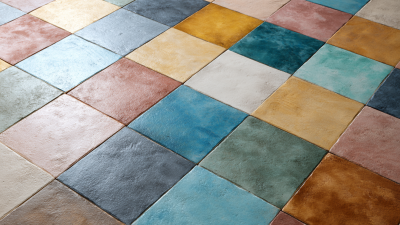
Every installation of rubber tiles tells a different story. They come in many colors and patterns, allowing for creativity in design. However, not all rubber tiles are the same. Some might wear faster than expected, leading to frustration. Choosing the right type for your specific needs is essential.
Understanding the benefits and limitations of rubber tiles can help solve potential issues. Many users appreciate their ease of maintenance. Yet, others find the initial cost a concern. As the trend grows, the conversation around rubber tiles continues to evolve, revealing new insights and challenges.
What is Rubber Tile?
Rubber tile is a versatile flooring material made from synthetic or natural rubber. It is commonly used in various settings, including gyms, playgrounds, and commercial spaces. The tiles come in different sizes, colors, and thicknesses, making them adaptable for any environment. According to market reports, the global rubber flooring market is expected to grow by 4.9% annually, highlighting its increasing popularity.
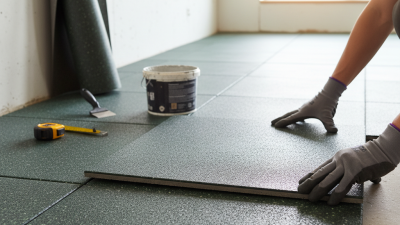
These tiles offer numerous benefits. They are durable and resistant to wear and tear, ideal for high-traffic areas. Additionally, they provide excellent shock absorption, reducing the risk of injuries in places like fitness centers. Shock absorption is crucial; studies indicate that falls account for 30% of injuries in gyms. However, while rubber tiles are practical, they can be challenging to install accurately. An uneven surface can result in premature wear and safety hazards.
Maintenance is another aspect to consider. While rubber tiles are easy to clean, they can retain dirt if not cared for properly. Reports indicate that 15% of users experience issues with staining and odor over time. This can impact their longevity and appearance. Investing in proper care and installation is essential to maximize the benefits of rubber tiles.
Composition and Manufacturing Process of Rubber Tiles
Rubber tiles are versatile flooring options, widely utilized in various settings. Their composition primarily includes natural or synthetic rubber. Typically, the rubber mixture consists of about 60% rubber, 30% fillers, and 10% additives. These additives enhance the performance of the tiles, ensuring durability and flexibility.
The manufacturing process begins with mixing the rubber components. This process requires precision to achieve uniformity. Once mixed, the material is formed into sheets. These are then cut into tiles of specific sizes. The average thickness of rubber tiles ranges from 5 to 20 millimeters. A report by Grand View Research highlights that the global rubber flooring market is expected to surpass $5 billion by 2025. However, challenges exist. The production process can generate waste. Improperly managed waste can negate environmental benefits.
Moreover, not every rubber tile offers the same quality. Some tiles may lack adequate cushioning, affecting user comfort. Also, differences in manufacturing methods can lead to inconsistencies. This reality calls for careful selection and evaluation by consumers. While rubber tiles present many advantages, one must approach their choice with a critical mindset, weighing performance and sustainability.
What is Rubber Tile and How is it Used? - Composition and Manufacturing Process of Rubber Tiles
| Dimension |
Description |
Usage |
| Material Composition |
Made from recycled rubber, synthetic rubber, or a blend of both. |
Commonly used in flooring applications. |
| Thickness |
Ranges from 4mm to 30mm. |
Used for different applications, thicker tiles for high-impact areas. |
| Surface Treatment |
Can be textured for slip resistance or smooth for aesthetics. |
Used in gyms, play areas, and commercial settings. |
| Manufacturing Process |
Involves grinding rubber, mixing with additives, and molding. |
Allows for customization in color and design. |
| Durability |
Highly resistant to wear, water, and UV exposure. |
Ideal for indoor and outdoor applications. |
Common Applications of Rubber Tiles in Various Settings
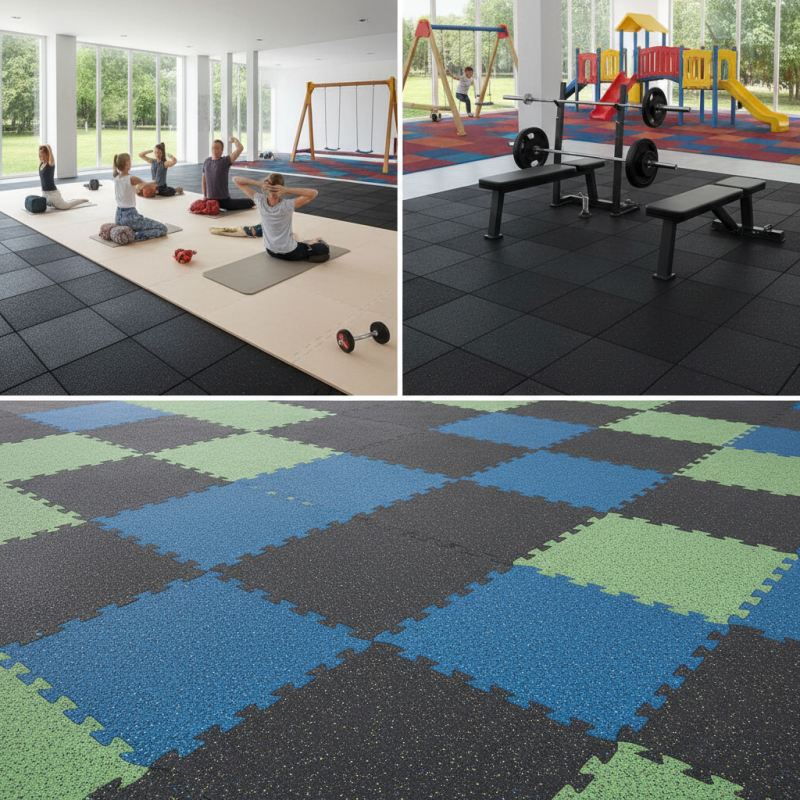
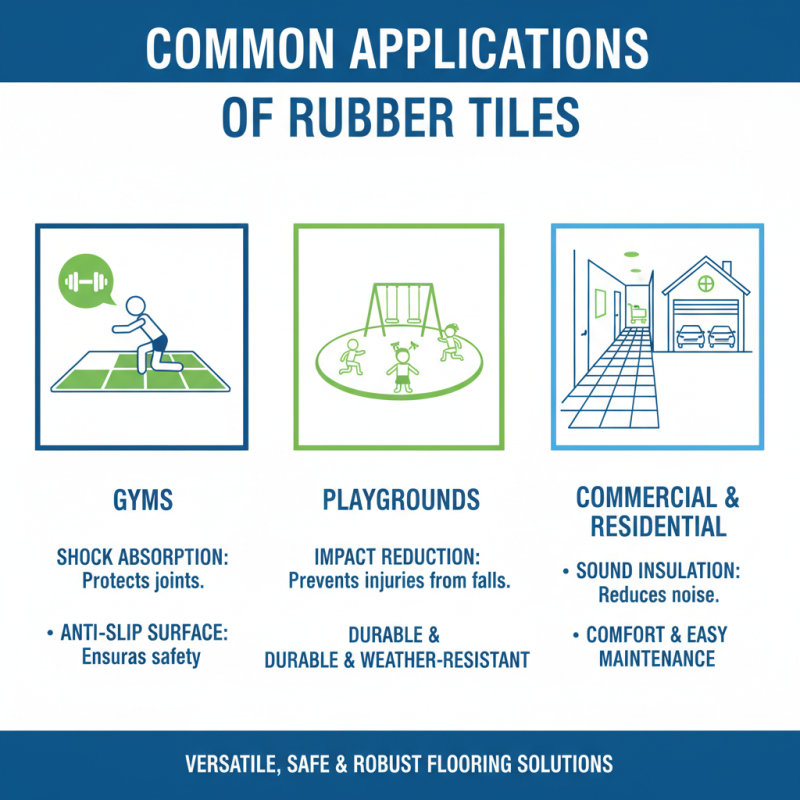
Rubber tiles are versatile flooring solutions widely used in various environments. In gyms, they provide excellent shock absorption. This feature protects joints during workouts. The textured surface also prevents slips, ensuring safety during exercise.
In playgrounds, rubber tiles are essential for children's safety. They reduce the risk of injury from falls. The bright colors of these tiles can make play areas more inviting. However, their installation can be tricky. Proper alignment is crucial to avoid gaps and trip hazards.
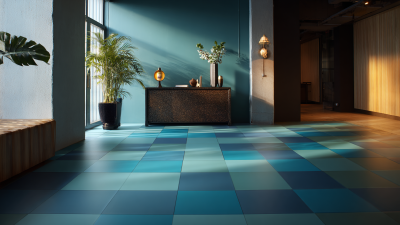
Rubber tiles are also popular in commercial spaces. Restaurants and retail stores benefit from their durability. They withstand heavy traffic and spills. But maintaining cleanliness can be challenging. The texture can trap dirt and stains, requiring regular care. Despite these challenges, rubber tiles remain a practical flooring option in many settings.
Advantages of Using Rubber Tiles for Flooring
Rubber tiles are an excellent choice for flooring in various settings, including gyms, schools, and play areas. One of their major advantages is their durability. A report from the International Journal of Environmental Science shows that rubber flooring can last over 20 years if properly maintained. This longevity makes it a cost-effective option compared to other flooring materials.
Another significant benefit is safety. Rubber tiles provide a cushioned surface that reduces the risk of slips and falls. According to the National Safety Council, slip-and-fall incidents account for a substantial percentage of workplace injuries. Rubber flooring can mitigate these risks, especially in high-traffic areas. Its shock-absorbing qualities are particularly beneficial in environments with active children or athletes.
Furthermore, rubber tiles are environmentally friendly. Many manufacturers use recycled materials, which help reduce waste. However, some consumers may be concerned about off-gassing from rubber products. It's important to choose products that undergo thorough testing for safety. Overall, while rubber tiles offer numerous advantages, potential buyers should consider both their benefits and any limitations before making a decision.
Maintenance Tips for Rubber Tile Surfaces
Rubber tiles are versatile flooring options. They provide a soft surface that reduces the impact on joints. However, maintaining them can be tricky. Regular cleaning is essential to prolong their life. Use a broom or vacuum to remove dirt. Mopping with mild detergent can keep surfaces shiny.
Some people overlook the need for deep cleaning. Over time, grime can build up. This might make the tiles look dull. A scrub brush can help in these cases. Scrubbing gently with soap can restore the original look. It’s also important to check for damage. Small tears or cracks can grow if ignored.
Moisture can be an issue. It can cause mold if tiles stay wet. Always dry spills quickly. A fan can help speed up drying. Make sure to avoid abrasive cleaners. They can scratch the surface. Keeping these tips in mind can provide a wood-look exterior while ensuring safety. Attention to detail is crucial for maintaining the appearance and functionality of rubber tiles.