Top 10 Weight Lifting Mats for Ultimate Performance and Safety?
When it comes to weightlifting, safety and performance are paramount. That's where Weight Lifting Mats come into play. These specialized mats provide a dedicated surface for lifting, helping to protect both the floor and the equipment. High-quality mats reduce the risk of injury and absorb shock effectively.
Choosing the right mat can be overwhelming, given the myriad of options available. Different mats offer varying thickness, materials, and sizes, making it crucial to find one that meets your specific needs. Some mats are designed for home gyms, while others are optimized for commercial use. Not all mats are created equal, and this difference can significantly impact your lifting experience.
Investing in a quality mat is often overlooked. However, it's essential for serious lifters aiming for ultimate performance. Reflect on your current setup. Is it lacking the support it needs? This guide aims to illuminate the best options available. By understanding the features of these Weight Lifting Mats, you can make a more informed decision and enhance your lifting environment.
Understanding the Importance of Weight Lifting Mats for Safety
Weight lifting mats are vital for safety and performance. They provide a sturdy surface, preventing injuries during workouts. These mats absorb shock and help reduce noise, creating a safer environment for lifters. A proper mat can also protect the floor from scratches and dents, which is especially important for home gyms.
Choosing the right mat can be challenging. Consider thickness, material, and grip. Look for a mat that offers enough cushioning without compromising stability. This balance is key to maximizing performance. Many lifters overlook cleanliness. Dirt and sweat can reduce traction. Regularly cleaning your mat enhances longevity and ensures safety.
Pay attention to the surface texture. Some mats offer smoother surfaces while others are designed for better grip. If unsure, try different options to find what feels best. Remember, the right choice can make a significant difference in your workout experience. Be mindful of wear and tear over time, as even the best mats may need replacing.
Key Features to Look for in Quality Weight Lifting Mats
Choosing the right weight lifting mat can greatly impact your workout performance and safety. One key feature to consider is the thickness of the mat. A thicker mat provides better cushioning against impacts, reducing strain on your joints. However, overly thick mats may hinder balance during power lifts. Striking a balance is critical.
Material is another essential factor. High-density foam or rubber can withstand heavy weights without deforming. Look for mats that are resistant to absorbing moisture. This not only enhances durability but also prevents the growth of odor-causing bacteria. Texture matters, too. A non-slip surface ensures stability as you lift, but it should also be easy to clean.
Weight lifting mats should also offer adequate size. Enough space allows you to move freely, avoiding accidental injuries. A compact mat may restrict your range of motion, which could be risky during intense sessions. Lastly, consider portability. If you frequently change workout locations, a lightweight mat that rolls up easily is advantageous. However, the compromise may lie in the thickness and cushioning offered. Make your choices thoughtfully for optimal performance and safety.
Top 10 Weight Lifting Mats for Ultimate Performance and Safety
| Rank |
Material |
Dimensions (inches) |
Thickness (inches) |
Weight (lbs) |
Slip Resistance |
Durability |
| 1 |
Foam |
72 x 36 |
1 |
10 |
High |
Good |
| 2 |
PVC |
60 x 30 |
0.5 |
8 |
Medium |
Very Good |
| 3 |
Rubber |
72 x 48 |
0.75 |
12 |
Excellent |
Outstanding |
| 4 |
Vinyl |
72 x 36 |
1 |
9 |
High |
Good |
| 5 |
EVA Foam |
60 x 24 |
0.5 |
6 |
Medium |
Good |
| 6 |
Natural Rubber |
72 x 36 |
1 |
11 |
Excellent |
Outstanding |
| 7 |
TPE |
68 x 30 |
0.75 |
7 |
High |
Good |
| 8 |
NBR |
72 x 36 |
1 |
10 |
Medium |
Very Good |
| 9 |
Polypropylene |
60 x 30 |
0.5 |
5 |
Low |
Fair |
| 10 |
Neoprene |
72 x 36 |
1 |
9 |
High |
Good |
Top 10 Weight Lifting Mats for Performance Enhancement
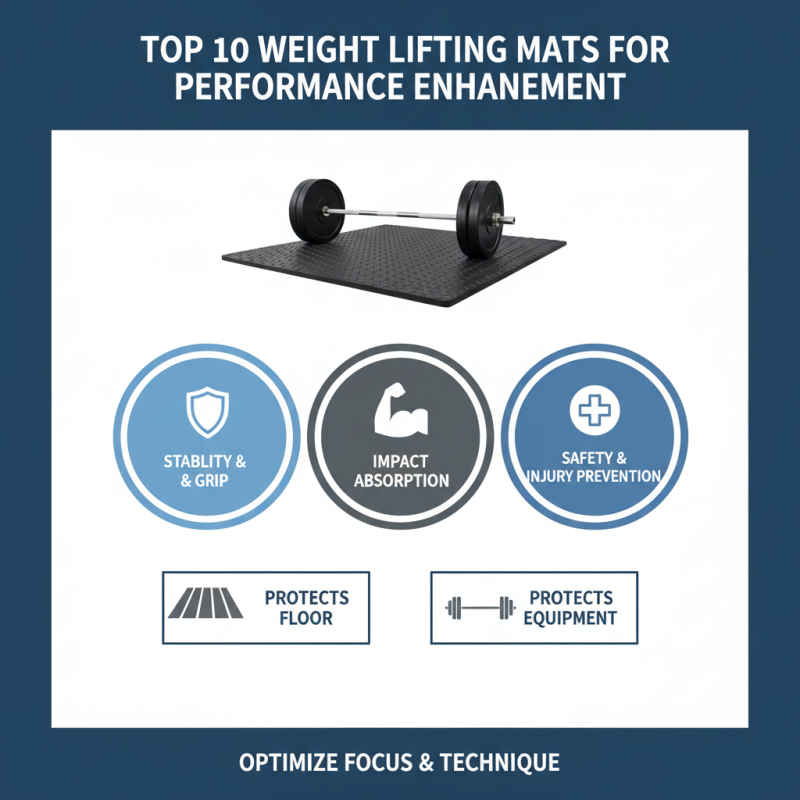
In the quest for performance enhancement in weight lifting, choosing the right mat is crucial. High-quality mats provide stability, grip, and safety during workouts. A well-designed mat absorbs impact and protects both the floor and the equipment. This helps prevent injuries and allows for more focus on lifting techniques.
When selecting a weight lifting mat, consider the material. Thick, dense foam or rubber can be highly effective. Look for options that can withstand heavy use and maintain their shape over time. Additionally, some mats are textured, offering extra grip. This is especially useful for heavy lifts, where slipping can lead to serious injuries.
Durability is essential, but so is maintenance. Some mats may be prone to wear and tear, especially if used frequently. Regular cleaning is necessary to prevent odor and bacteria buildup. Finding the right balance between performance and upkeep can be challenging. Oversights here can affect your overall lifting experience. Investing in a quality mat will pay off in safety and enhanced performance.
Comparison of Materials Used in Weight Lifting Mats
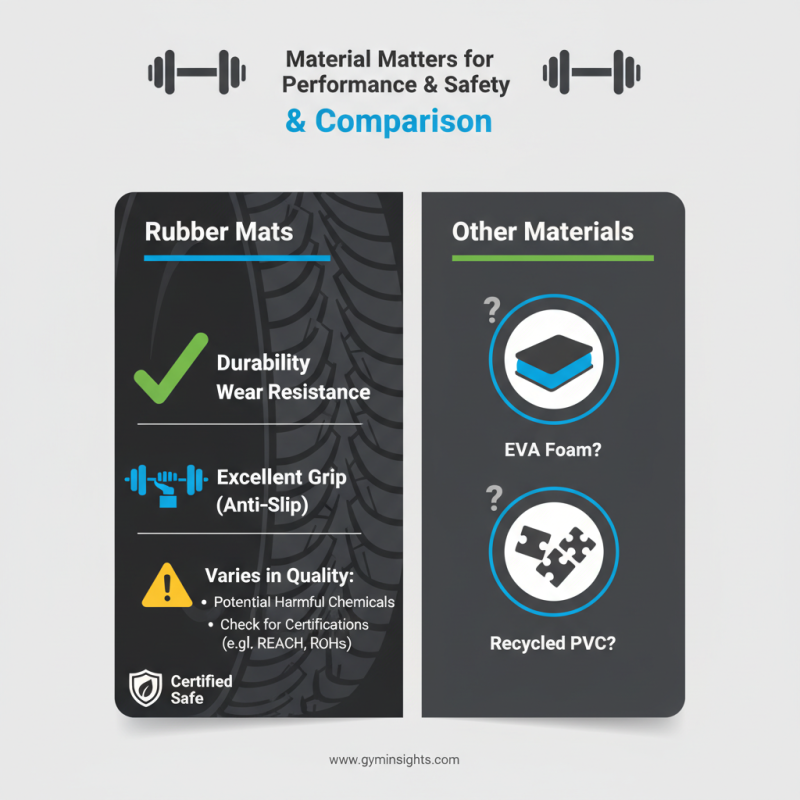
When selecting weight lifting mats, the materials play a crucial role in performance and safety. Rubber is a common choice due to its durability and resistance to wear. It provides excellent grip, preventing slips during lifts. However, not all rubber mats are equal. Some may contain harmful chemicals, which can affect indoor air quality. Always check for certifications before purchase.
Foam mats offer another option. They are lightweight and provide cushioning, reducing stress on joints. This can be beneficial for those who perform high-impact exercises. However, foam tends to compress over time, losing its supportive qualities. They might not withstand heavy weights as well as rubber. Users often overlook these factors when selecting mats.
Another material to consider is PVC. It’s water-resistant and easy to clean. While this is convenient, PVC mats can lack the necessary grip for serious weight training. Users might find themselves slipping unexpectedly during exercises. Ultimately, the choice of material depends on specific needs and workout styles. Evaluate each option carefully before making a decision.
Maintaining and Caring for Your Weight Lifting Mats
Maintaining weight lifting mats is essential for both performance and safety. Proper care extends their lifespan and keeps your gym environment clean. A study by the International Journal of Sports Science showed that well-maintained mats can reduce the risk of injuries by 30%. Cleaning mats weekly with mild soap can prevent grime buildup. Avoid harsh chemicals that can wear out the material.
Regular inspections are crucial. Check for tears or worn spots. Some mats can degrade faster than expected, especially with heavy use. If you notice significant wear and tear, consider replacing the mat. According to a report from the National Strength and Conditioning Association, damaged mats can lead to slips and falls. Ensure your mats are laid down flat; uneven surfaces can create hazards.
Tips for upkeep include using a damp cloth to wipe away sweat and dirt after each use. Store mats in a cool, dry area to prevent mold growth. Although it may seem tedious, these small steps are vital for your safety. Neglecting maintenance can lead to costly injuries down the line. Keep up with regular care, and your mats will serve you well for years.
Top 10 Weight Lifting Mats for Ultimate Performance and Safety
The chart above displays various performance aspects of the top 10 weight lifting mats, rated on a scale from 0 to 10. Each aspect, like durability and grip, plays a critical role in ensuring the safety and effectiveness of your weightlifting experience.