Top 10 Exercise Floor Mats for Ultimate Comfort and Support?
Finding the right Exercise Floor Mats is crucial for anyone serious about fitness. These mats provide a stable surface for workouts, reducing strain on joints and enhancing performance. Whether you practice yoga, lift weights, or engage in high-impact training, your choice of mat can make a significant difference.
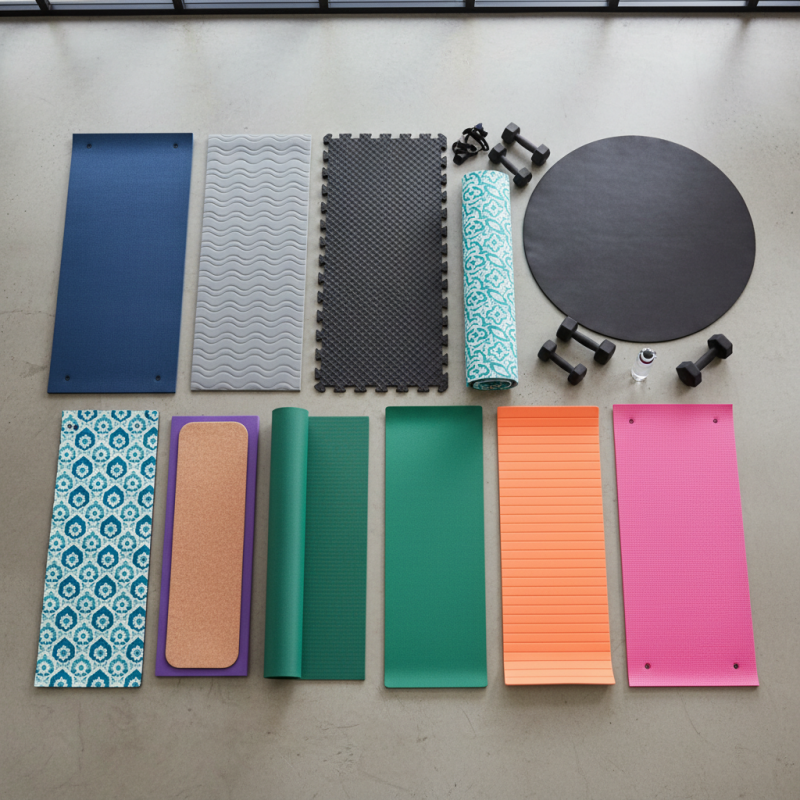
Exercise Floor Mats come in various materials and thicknesses. Some are designed for better cushioning, while others focus on durability. A well-chosen mat can prevent slipping and discomfort during workouts. Yet, not every mat suits every workout type. It’s essential to consider your specific needs to ensure optimal support.
Choosing an Exercise Floor Mat also requires attention to detail. Look for mats that offer easy cleaning options and hypoallergenic materials. Remember that comfort isn’t the only factor; durability matters too. Investing in a high-quality mat may seem costly, but it pays off in the long run.
Benefits of Using Exercise Floor Mats for Comfort and Support
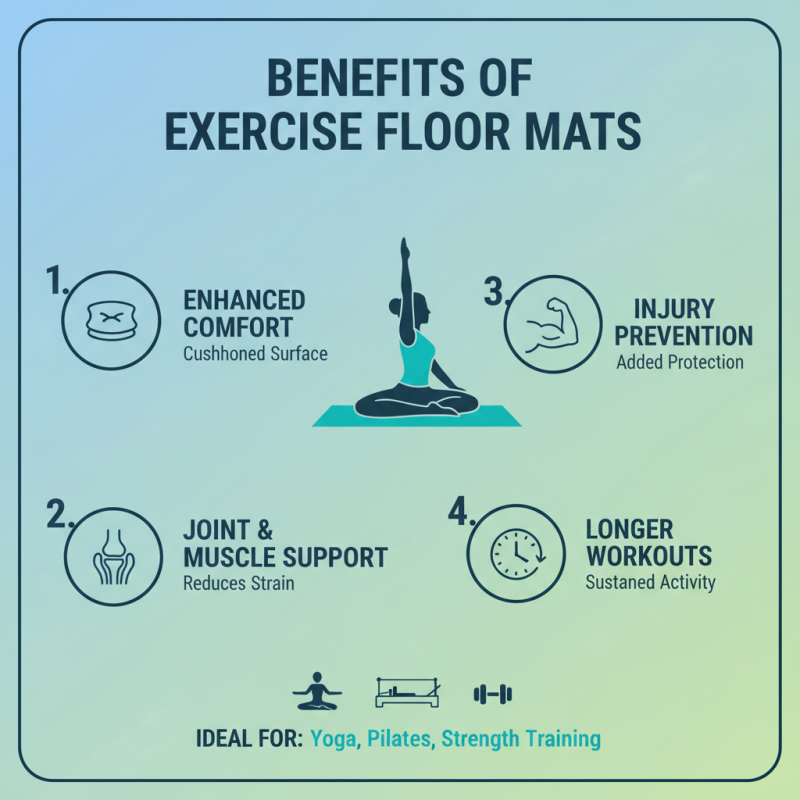
Exercise floor mats play a vital role in enhancing comfort during workouts. These mats provide a cushioned surface that reduces strain on joints and muscles. They are particularly beneficial for floor exercises such as yoga, pilates, or strength training. The added support can prevent injuries and allow for longer workout sessions.
Using exercise mats helps create a designated workout space. This separation can improve focus and motivation. Additionally, many mats are designed with non-slip surfaces. This feature can lead to better balance and stability during movements. However, choosing a mat can be overwhelming due to the many options available. It requires time to find the right thickness, material, and texture that suits personal needs.
Furthermore, while mats offer great support, they can also be an investment. Some individuals may overlook proper care. Regular cleaning and maintenance are essential for longevity. An ignored mat can become a breeding ground for bacteria, which is something to consider. Overall, while mats enhance comfort and support, they come with responsibilities that need reflection.
Key Features to Look for in Exercise Floor Mats
When choosing the perfect exercise floor mat, comfort and support are crucial. A good mat should be thick enough to cushion your joints during workouts. Look for materials that provide adequate shock absorption. This feature helps to reduce the impact on your knees and back during high-intensity workouts. Some mats offer additional grip, preventing slips and ensuring safety.
Another key feature to consider is the size of the mat. It should be large enough to accommodate various movements, whether you’re doing yoga, pilates, or strength training. A mat that is too small can restrict your range of motion. Additionally, lightweight mats are easier to move and store, adding convenience for users. Pay attention to the surface texture, as it can influence your grip and stability during exercises.
Durability matters too. A mat that wears down quickly will lose its functionality. It's worth reflecting on whether cheaper options might cost more in the long run due to frequent replacements. Sustainable materials are becoming more popular, and opting for them may align with a growing desire for environmentally friendly products. Ultimately, take the time to evaluate these features against your specific workout needs.
Top 10 Exercise Floor Mats: Reviews and Comparisons
When selecting an exercise floor mat, comfort and support are key factors. According to industry reports, using proper mats can reduce injury risk by up to 30%. A well-designed mat absorbs impact and provides cushioning for joints. This is especially important for high-impact workouts like jumping or running.
While many mats are available, not all are created equal. Reviews highlight that thickness, material, and grip are crucial. Look for mats with a thickness of at least 1/4 inch for optimum support. Rubber mats are often praised for durability and traction. However, some users find rubber mats can be heavier and less portable.
Tips: Always check the mat's non-slip features. This ensures stability during workouts. For easy cleaning, choose mats that are water-resistant. Consider mat size based on your exercise routine. Make a habit of testing different mats before making a purchase. This can help you find the right balance of comfort and functionality.
Top 10 Exercise Floor Mats for Ultimate Comfort and Support
| Mat Type |
Thickness |
Material |
Support Level |
Price Range |
| Yoga Mat |
1/4 inch |
PVC |
Medium |
$20 - $40 |
| Foam Exercise Mat |
1/2 inch |
EVA Foam |
High |
$30 - $60 |
| Interlocking Tiles |
3/8 inch |
Foam |
Variable |
$50 - $100 |
| Running Mat |
1/4 inch |
Rubber |
Excellent |
$60 - $120 |
| Massage Mat |
1 inch |
Specialized Foam |
High |
$40 - $80 |
| Pilates Mat |
1/2 inch |
Natural Rubber |
High |
$30 - $70 |
| Exercise Bike Mat |
3/8 inch |
Rubber |
Medium |
$40 - $90 |
| Gym Mat |
1 inch |
PVC |
High |
$50 - $110 |
| Travel Yoga Mat |
1/8 inch |
Microfiber |
Medium |
$20 - $50 |
Maintenance Tips to Extend the Life of Your Exercise Floor Mat
Choosing the right exercise floor mat enhances your workout. To maximize its lifespan, proper maintenance is essential. Here are some helpful tips to keep your mat in top condition.
Regular cleaning is crucial. Use a mild soap and warm water solution to wipe down your mat after each use. This prevents the buildup of sweat and dirt, which can degrade material over time. Consider air drying rather than direct sunlight to avoid damage. Remember, neglecting this can lead to unpleasant odors.
Store your mat correctly. Rolling it up is usually best, but being too tight can cause creases. Try to keep it in a designated area, away from extreme temperatures and moisture. This helps prevent warping and mold growth.
Pay attention to wear and tear. Check for cracks or tears regularly, as these can affect support and safety. Patching small holes can prevent further damage. Ignoring this could lead to discomfort or even injury during workouts.
Proper care not only extends the life of your mat but also enhances your overall exercise experience.
Choosing the Right Size and Thickness for Your Workout Space
When choosing exercise floor mats, size and thickness matter significantly. A proper mat should support your body while allowing freedom of movement. According to the American Council on Exercise (ACE), a mat thickness of 1/4 inch to 1/2 inch is often ideal for providing support during workouts. Thick mats are beneficial for high-impact exercises, as they can reduce the risk of injury.
Consider the size of your workout area. Mats should cover enough space to accommodate various exercises. Reports indicate that a standard exercise mat measures around 24 inches wide and 68 inches long. This size is versatile for yoga, pilates, or floor exercises. However, in larger spaces, oversized mats are more beneficial. They allow more room for dynamic movement and can enhance comfort during workouts.
Another factor is flooring type. Mats work well on both carpet and hard surfaces. Yet, on polished wood or tile floors, thicker mats may prevent slipping. Many mats also feature textured surfaces for added grip. If your mat lacks this, simple modifications, like choosing a non-slip mat, can be effective. Selecting the right size and thickness can lead to an improved workout experience, enhancing your comfort and support.