2025 Top PVC Gym Flooring Options for Better Performance and Durability
When it comes to optimizing performance and enhancing durability in gym environments, choosing the right flooring is crucial. PVC gym flooring has gained immense popularity among fitness enthusiasts and facility managers alike due to its ability to provide a reliable, resilient surface that is well-suited for a variety of physical activities. In 2025, exploring the top PVC gym flooring options reveals a range of products designed to meet the diverse needs of different training regimes, from high-impact aerobics to weightlifting.
The characteristics of PVC gym flooring make it an ideal choice for fitness centers, home gyms, and recreational facilities. Not only does it deliver excellent shock absorption and slip resistance, but its durability ensures that it can withstand the daily wear and tear associated with intense workouts. As the fitness industry continues to evolve, so do the innovations within PVC gym flooring, offering users increased performance benefits and longevity. This comprehensive overview will highlight the standout options available in 2025, empowering gym owners and fitness enthusiasts to choose the best flooring solutions for their spaces.
Top Features to Look for in PVC Gym Flooring
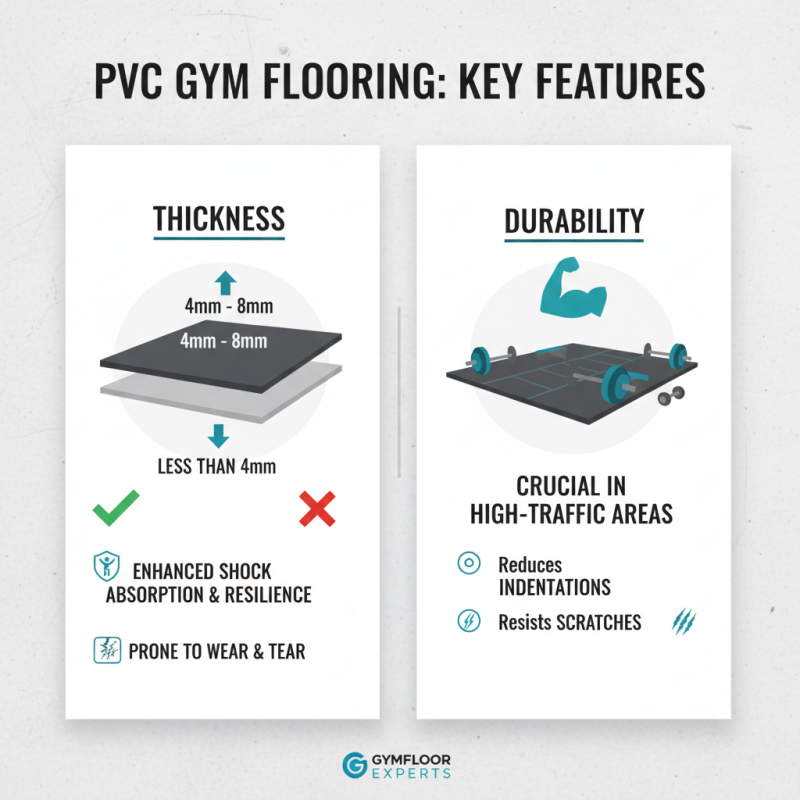
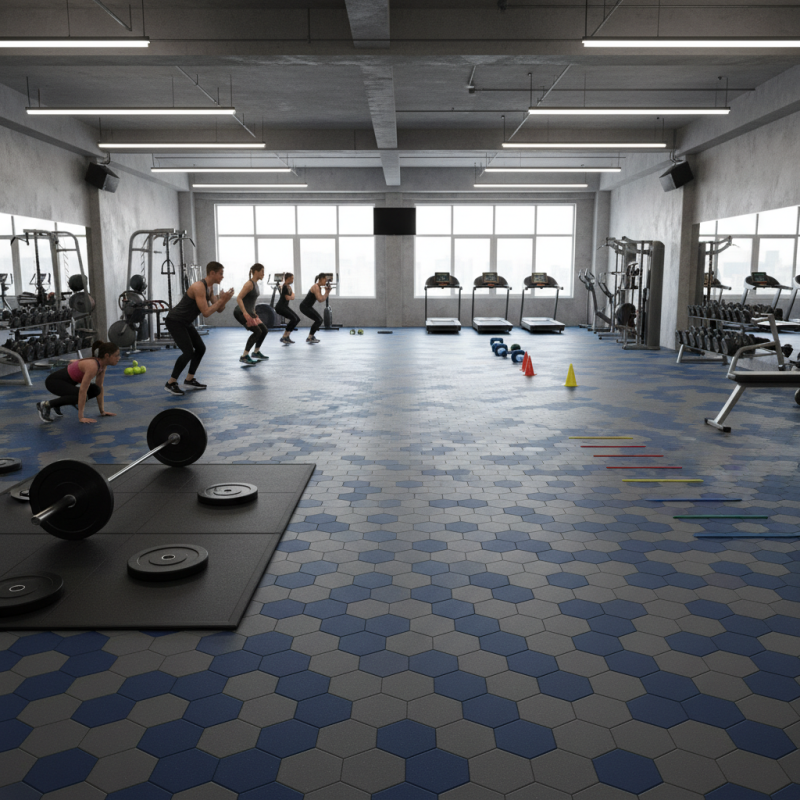
When selecting PVC gym flooring, several key features significantly influence both performance and durability. One of the foremost attributes to consider is thickness. According to industry reports, thicker PVC flooring, typically ranging from 4mm to 8mm, not only enhances shock absorption but also increases resilience against wear and tear. This durability is particularly crucial in high-traffic areas, as it reduces the likelihood of indentations and scratches that can compromise the floor's integrity over time.
Another vital feature is its slip-resistance. A study conducted by the International Journal of Sports Science indicated that gyms with flooring providing optimal grip can reduce the risk of injuries by up to 20%. This is especially important in settings where high-impact workouts and rapid movements are commonplace. Additionally, PVC flooring's moisture resistance and easy maintenance are noteworthy; its non-porous surface prevents mold growth and makes cleaning straightforward, thus preserving hygiene standards in fitness environments. Research also highlights that facilities with better maintained flooring tend to see higher member satisfaction, leading to increased retention rates. As such, selecting the right PVC gym flooring with these features in mind is paramount for ensuring both safety and longevity.
Benefits of PVC Flooring for Athletic Performance
PVC flooring has emerged as a top choice for athletic facilities due to its exceptional benefits for performance and durability. One of the key advantages of PVC flooring is its ability to provide excellent traction, which enhances grip during various physical activities. This increased stability helps athletes maintain their balance and prevent slips, reducing the risk of injuries during high-intensity workouts. Additionally, the cushioned surface of PVC flooring absorbs impact, making it gentler on joints and allowing for longer training sessions without discomfort.
Moreover, the durability of PVC flooring ensures that it can withstand heavy foot traffic and rigorous use in gym environments. Its resistance to wear and tear means that facilities using PVC can maintain a high-quality surface for an extended period, reducing the need for frequent repairs or replacements. This lasting performance not only contributes to better athletic outcomes but also offers significant cost savings for gym owners. By investing in PVC flooring, athletic facilities can create an optimal environment that promotes peak performance while ensuring safety and comfort for all users.
2025 Top PVC Gym Flooring Options for Better Performance and Durability
This chart illustrates the performance ratings of various benefits provided by PVC gym flooring options for athletic performance. The factors considered include shock absorption, durability, slip resistance, maintenance, and aesthetic appeal, demonstrating the overall advantages of utilizing PVC flooring in gyms.
Comparison of Different PVC Gym Flooring Materials
When it comes to selecting the right PVC gym flooring, understanding the various materials available can significantly impact both performance and durability. PVC flooring is known for its resilience, ease of maintenance, and versatility, making it a popular choice in fitness facilities. The primary options include standard PVC tiles, interlocking PVC mats, and rolled PVC sheets. Each type has unique characteristics tailored to different athletic applications, from weightlifting to aerobics.
Standard PVC tiles offer excellent shock absorption and are relatively easy to install, making them ideal for multi-purpose areas. These tiles come in various thicknesses, which allows for customization based on the intensity of the activities performed.
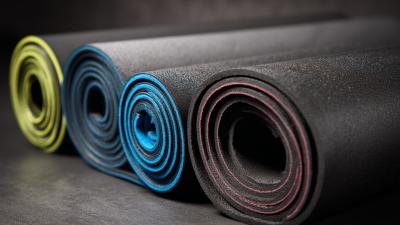
Interlocking PVC mats are another attractive option, designed for quick assembly and disassembly. They provide a stable surface and enhance traction, which is crucial for high-energy workouts. Lastly, rolled PVC sheets cover larger areas seamlessly, minimizing joints that could become potential hazards. This choice is favored in spaces that require extensive flooring coverage while maintaining a professional appearance.
In comparing these materials, factors such as slip resistance, wear resistance, and ease of cleaning become critical deciding elements. The choice ultimately hinges on specific gym needs, desired aesthetics, and the types of activities planned for the space. By understanding the differences among these PVC flooring options, gym owners can select the most appropriate solution that enhances both performance and longevity over time.
Maintenance Tips for Long-lasting PVC Gym Flooring
Maintaining PVC gym flooring is essential for longevity and optimal performance in any fitness space. Regular cleaning is the first step in preserving the quality of the flooring.
Sweeping or vacuuming will help remove dirt and debris that can accumulate over time, preventing scratches and wear. For more thorough cleaning, use a mild detergent mixed with warm water, ensuring that all residue is wiped away to avoid slippery surfaces. Avoid harsh chemicals as they might degrade the material and diminish its lifespan.
Another critical aspect of maintaining PVC flooring is addressing spills and stains promptly. Whether it's water, sweat, or other liquid substances, timely clean-up can prevent discoloration and damage. Implementing a no-shoe policy in certain areas can also significantly reduce the wear and tear on the flooring, protecting it from gravel and dirt that can be tracked in.
Finally, consider periodic inspections for any signs of damage, such as scratches or tears, and take immediate action to repair them. This proactive approach will help ensure that your PVC gym flooring remains in excellent condition for years to come.
Cost Considerations for Installing PVC Gym Flooring
When considering the installation of PVC gym flooring, cost is a pivotal factor that can significantly impact the overall budget of a fitness facility. The initial investment for PVC flooring can vary widely based on the thickness, design, and quality of the material. While higher-quality flooring options might come with a heftier price tag, they often provide better durability and performance, which can lead to lower maintenance costs over time. It's essential to evaluate these long-term savings when selecting a product, as a cheaper upfront option may not withstand heavy use and could require premature replacement or repair.
In addition to the material costs, several other factors contribute to the overall expense of installing PVC gym flooring. Labor costs can vary based on the complexity of the installation and the region where the gym is located. Moreover, preparation of the subfloor, which may involve leveling or repairing existing surfaces, can add to the overall costs. It is advisable for gym owners to obtain multiple quotes from flooring professionals to ensure they receive a fair price while also considering the reputation and experience of the installer. Ultimately, careful budgeting and planning can help gym owners make informed decisions that balance cost with quality and performance of the flooring.