China Top Vinyl Floor Trends for Global Buyers to Explore?
As global buyers seek innovative flooring solutions, the vinyl floor market in China is showcasing exciting trends. Industry expert John Smith, a renowned flooring analyst, remarks, “Vinyl floors have evolved, offering both durability and style.” His insight reflects the transformative nature of vinyl flooring, which combines practicality with aesthetics.
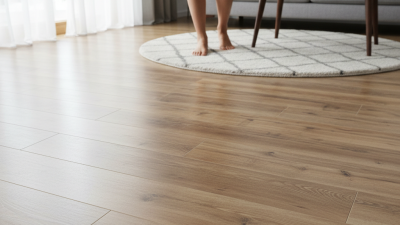
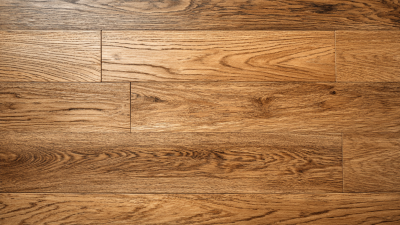
In recent years, the demand for vinyl floors has surged. This material provides an accessible option for consumers aiming to balance beauty and functionality. With advancements in design and manufacturing, the range of colors and textures has expanded significantly. Vinyl floors can mimic natural materials, offering elegance without the associated costs.
However, potential buyers should approach this evolving market with caution. While the trends are promising, not all products deliver the same quality. Research and comparisons are essential. Buyers should consider factors such as durability and environmental impact when making choices. Vinyl flooring has its advantages, but understanding the nuances is crucial for making an informed decision.
China's Vinyl Flooring Market Overview: Current Value and Growth Projections
China's vinyl flooring market continues to thrive. Recent projections reveal significant growth potential. In 2023, the market is valued at approximately $8 billion. By 2030, this could reach $12 billion. This growth presents ample opportunities for global buyers keen to explore innovative flooring solutions.
The production of vinyl flooring is increasingly influenced by sustainability. Eco-friendly materials and manufacturing processes are gaining traction. Buyers should focus on suppliers who prioritize environmental responsibility. This not only enhances brand image but also meets growing consumer demands.
Tips for buyers: Pay attention to trends in design. Wood-like and stone-like finishes are popular this year. Also, consider performance attributes like durability and resistance to moisture. These factors are crucial in residential and commercial settings. Always ask about the production process to ensure quality.
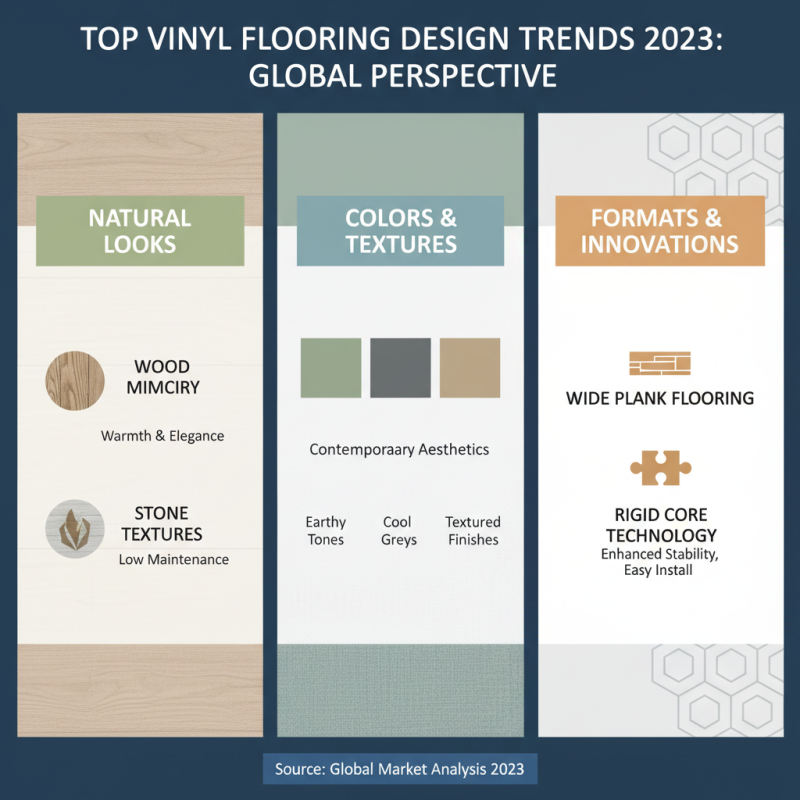
Top Design Trends in Vinyl Flooring for 2023: A Global Perspective
As the vinyl flooring market evolves, numerous design trends are emerging for 2023. Global buyers can expect to see an array of colors, textures, and formats that reflect contemporary aesthetics. Natural looks continue to dominate, with many designs mimicking wood and stone. These options offer warmth and elegance without the high maintenance of their natural counterparts.
Textures play a crucial role this year. Variations in surface finishes are gaining traction. Buyers should consider embossed and hand-scraped options for added character. They provide unique touchpoints in a room. Furthermore, the shift toward sustainable materials is notable. Eco-friendly vinyl options are on the rise, capturing the attention of environmentally conscious consumers.
Tips: When selecting vinyl flooring, ensure it complements your overall interior design. Experiment with contrasting textures to create visual interest. Also, consider the durability of the flooring, especially for high-traffic areas. A balance between aesthetics and functionality will lead to better long-term satisfaction. Pay attention to the installation process as well; proper techniques can significantly impact the lifespan of your flooring.
Sustainable Practices in Vinyl Production: Eco-Friendly Trends in China
Sustainable practices in vinyl production are gaining momentum in China. According to a recent industry report, over 60% of vinyl manufacturers are now prioritizing environmentally friendly practices. This shift aligns with global trends towards sustainability. By using recycled materials, these companies reduce waste significantly. Such measures are not only beneficial for the environment but also appeal to conscious consumers.
Recent data indicates that vinyl production emits approximately 30% less CO2 when utilizing sustainable methods. This reduction is crucial in combating climate change. However, not all manufacturers have adopted these practices uniformly. Some still rely heavily on traditional production methods that have a larger carbon footprint. This inconsistency raises questions about industry standards and consumer expectations.
Moreover, the sourcing of raw materials plays a vital role in sustainability. Reports suggest that 40% of vinyl products now incorporate bio-based materials. This innovative approach is still evolving, and challenges remain. Manufacturers must navigate the balance between performance and sustainability. The journey toward fully eco-friendly vinyl production is ongoing and requires commitment from the entire industry.
Technological Innovations Shaping China's Vinyl Flooring Industry
In recent years, China's vinyl flooring industry has embraced technological innovations that redefine design and sustainability. Advanced manufacturing techniques now enable the production of high-quality vinyl floors that mimic natural materials like wood and stone. These innovations cater to diverse consumer preferences, creating appealing aesthetics while maintaining durability.
Moreover, the incorporation of eco-friendly materials into vinyl flooring is gaining momentum. Manufacturers are exploring bio-based alternatives, reducing reliance on traditional petroleum sources. This shift not only minimizes environmental impact but also addresses the growing consumer demand for sustainability.
However, challenges remain. The high cost of implementing new technologies can deter some manufacturers. Additionally, there is a need for standardization in production to maintain quality across the board. As the industry evolves, stakeholders must balance innovation with practical considerations, ensuring that trends meet both consumer needs and sustainable practices.
China Top Vinyl Floor Trends for Global Buyers to Explore
This chart represents the trending factors in China's vinyl flooring industry. The data showcases the popularity of various aspects such as sustainability, design variety, water resistance, ease of installation, and cost-effectiveness among global buyers.
Key Consumer Preferences and Buying Behaviors in the Global Vinyl Market
In recent years, consumer preferences in the global vinyl market have shifted significantly. Buyers now favor sustainable and eco-friendly products. Many are also seeking flooring solutions that combine durability with aesthetic appeal. This trend highlights a growing awareness of environmental issues and a desire for products that reflect personal values.
Color and texture play a crucial role in consumers’ choices. Various designs, including wood and stone imitations, are gaining popularity. The tactile experience is equally important; many buyers want to feel the texture underfoot. Interestingly, the demand for customization is rising. Shoppers appreciate unique designs that allow for personal expression in home décor.
Moreover, price sensitivity remains a critical factor. Budget constraints can lead consumers to choose lower-cost options, even if they prefer premium products. This tension can create challenges for sellers. They need to balance quality with affordability. It's essential to continue monitoring these shifting preferences to better understand the evolving market dynamics.
China Top Vinyl Floor Trends for Global Buyers to Explore
| Trends |
Consumer Preferences |
Buying Behavior |
Region |
| Eco-friendly Materials |
High importance on sustainability |
Increased willingness to pay for green products |
North America |
| Stylish Designs |
Preference for modern and aesthetic looks |
Frequent purchases based on appearance |
Europe |
| Waterproof Features |
Essential for bathrooms and kitchens |
Higher purchase for practicality |
Asia-Pacific |
| Luxury Vinyl Tile (LVT) |
Growing admiration for premium textures |
Investing more in high-end options |
Middle East |
| Easy Installation |
Preference for DIY-friendly products |
Purchases influenced by installation ease |
Latin America |