Top 10 Weight Floor Mats for Global Buyers to Consider?
In the ever-evolving fitness industry, Weight Floor Mats play a crucial role in providing safe and effective workout environments. According to a recent market research report by IBISWorld, the demand for gym flooring materials, particularly weight floor mats, has increased by over 15% in the past two years. This growth signifies a rising awareness of injury prevention and floor protection among gym owners and fitness enthusiasts alike.
Dr. Lisa Thomas, a leading expert in sports safety, emphasizes that "Investing in quality Weight Floor Mats can significantly reduce the risk of injuries during strength training." Her insights reflect a broader trend in fitness, where safety and durability of equipment matter most. Many buyers may overlook the importance of these mats, often considering aesthetics over functionality.
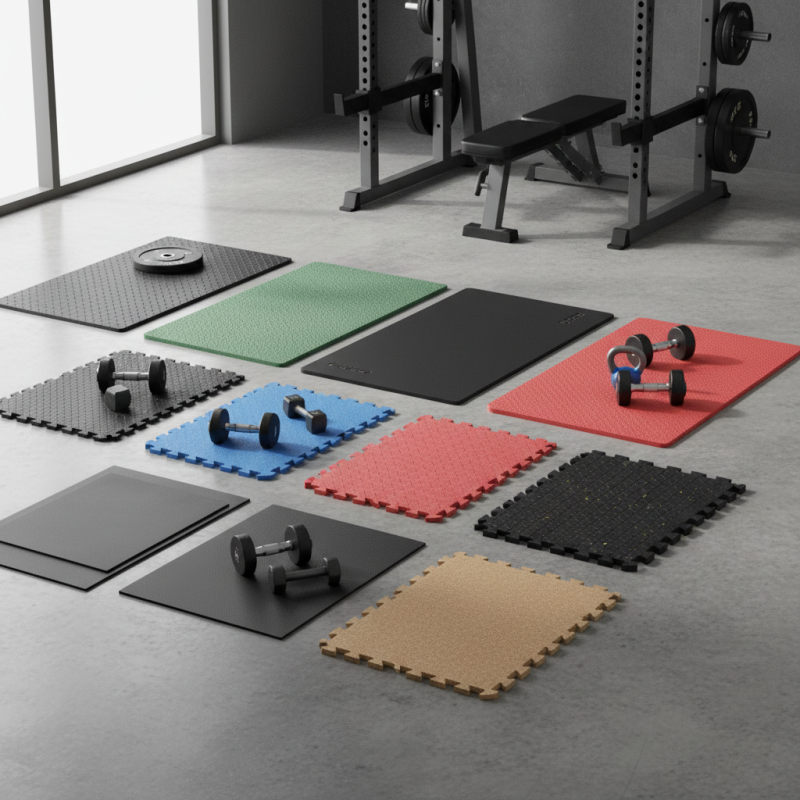
Furthermore, not all weight floor mats are created equal. The diversity in materials and designs can lead to confusion. Selecting the right mat involves considering factors like thickness, material composition, and ease of cleaning. Without careful evaluation, buyers could regret their choices when faced with wear and tear. Awareness of these challenges can lead to informed purchasing decisions in the ever-competitive market of fitness equipment.
Understanding Weight Floor Mats: Purpose and Importance
Weight floor mats serve a critical purpose in various settings, particularly in gyms and industrial environments. They protect floors from damage while providing safety and stability. According to a report by the American Journal of Sports Science, proper matting can reduce injury rates by up to 30% during strength training. This statistic underscores the importance of investing in quality mats.
The materials used in weight floor mats also play a significant role. High-density rubber is a common choice due to its durability and shock-absorption qualities. Mats that are too thin may not provide adequate protection, leading to floor damage. A report from the National Safety Council indicates that up to 20% of workplace injuries could be minimized with appropriate flooring solutions. However, it’s essential to consider maintenance and hygiene. Some mats can be difficult to clean, leading to odor and bacteria buildup.
Choosing the right mat is challenging. Various factors must be considered, including the type of weight being lifted and the surface beneath. Not every product will meet the needs of every user. With numerous options on the market, navigating choices can be overwhelming. Understanding the unique requirements for specific applications is crucial. Many users may underappreciate the significance of mat thickness or material.
Key Features to Look for in Weight Floor Mats
When selecting weight floor mats, various features deserve attention. The material is paramount. Look for options made from high-density rubber. This ensures durability and resilience against heavy weights. Mats should also provide a non-slip surface. A good grip enhances safety during workouts. Stability is vital, especially for high-intensity exercises.
Another significant feature is the thickness of the mats. Thicker mats offer increased cushioning and protect floors from damage. Consider mats with shock-absorbing properties. This can reduce strain on your joints during heavy lifts. Additionally, ease of maintenance is worth noting. Mats should be easy to clean and resistant to odors.
Aesthetics play a role too. While functionality is crucial, choosing mats in appealing colors can enhance your workout space. Reflect on how color affects your motivation. However, some may overlook the weight capacity of mats, which can lead to issues over time. Always verify specifications to ensure they meet your needs. Ultimately, understanding these features helps in making an informed decision for your flooring needs.
Top 10 Weight Floor Mats for Global Buyers to Consider
| Rank |
Material |
Thickness |
Weight Capacity |
Key Features |
| 1 |
Rubber |
1/2 inch |
2500 lbs |
Non-slip, easy to clean |
| 2 |
Foam |
3/4 inch |
1500 lbs |
Shock-absorbing, lightweight |
| 3 |
PVC |
1 inch |
2000 lbs |
Water-resistant, durable |
| 4 |
EVA |
5/8 inch |
1800 lbs |
Eco-friendly, anti-fatigue |
| 5 |
Vinyl |
1/4 inch |
1000 lbs |
Lightweight, portable |
| 6 |
Carpet |
1 inch |
1200 lbs |
Comfortable, slip-resistant |
| 7 |
Cork |
3/4 inch |
1600 lbs |
Natural, antimicrobial |
| 8 |
Polyethylene |
1/2 inch |
1400 lbs |
UV resistant, easy to store |
| 9 |
Neoprene |
1/2 inch |
1500 lbs |
Oil resistant, strong grip |
| 10 |
SBR |
1 inch |
2200 lbs |
Reinforced, high durability |
Top 10 Weight Floor Mats: Overview and Comparison
When it comes to weight floor mats, buyers face numerous options worldwide. These mats play a crucial role in protecting floors and providing proper grip for workouts. The choice largely depends on material, thickness, and durability. Natural rubber mats are a popular option as they offer excellent shock absorption. However, they can sometimes emit an odor.
Another factor is mat texture. Some mats have a smooth surface, while others feature a rough texture for additional grip. The latter can help prevent slipping during intense workouts. Yet, users might find rough textures uncomfortable for floor exercises. Thicker mats generally offer more cushioning, which is great for heavy lifting but can be bulky to store.
Size is another consideration for many buyers. Mats come in various dimensions to accommodate different spaces. A larger mat can cover a bigger area but may not fit in smaller gym spaces. Conversely, smaller mats are easy to manage but may not provide enough room for complex movements. Each option has its advantages and drawbacks, making careful selection essential for the best workout experience.
Customer Reviews and Experiences with Each Mat
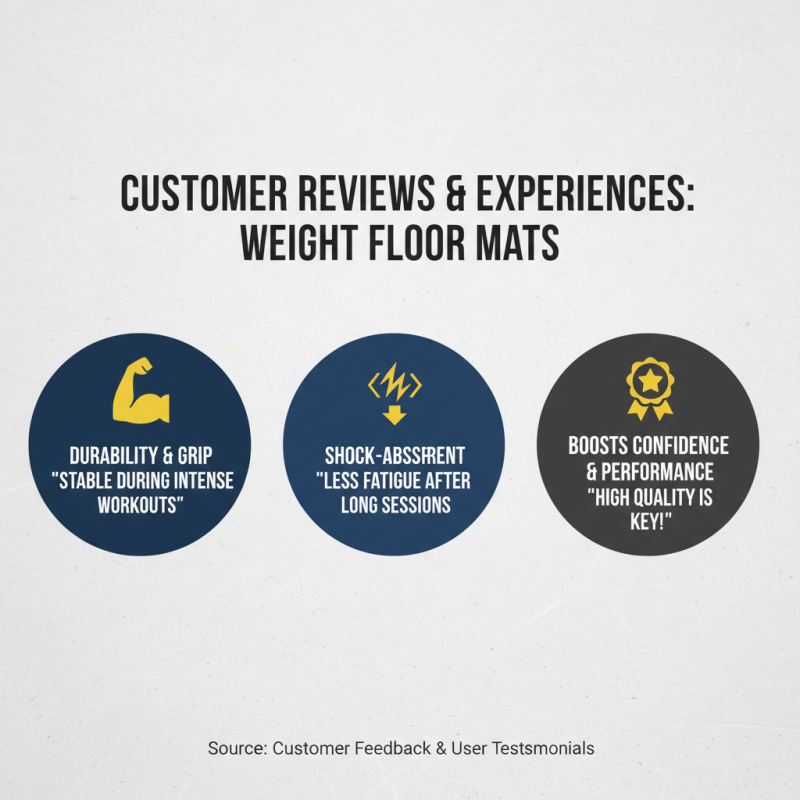
When selecting weight floor mats, customer feedback serves as a valuable resource. Many users express satisfaction with their mats due to durability and grip. One customer mentioned their mat remains stable even during intense workouts. This stability boosts confidence and improves performance. Another user valued the shock-absorbent feature. They reported less fatigue after long training sessions. These experiences emphasize the importance of quality.
However, some users faced challenges. A few mats didn’t deliver as expected in terms of thickness. For instance, one buyer wished for a more cushioned experience. They noted discomfort during heavy lifts. This feedback highlights the need for potential buyers to evaluate their personal requirements closely.
Furthermore, customers often discussed cleaning ease. A mat that collects dust can be a hassle. Users appreciate mats that can be wiped clean quickly. One individual pointed out the importance of non-toxic materials, voicing concerns about health. These insights reflect the diverse needs of buyers. Ultimately, personal experiences can guide decisions effectively.
Buying Guide: Choosing the Right Weight Floor Mat for Your Needs
When selecting the right weight floor mat, consider your specific needs and environment. Different mats serve various purposes, from exercise to commercial use. Reports indicate that fitness centers often prefer mats with thicknesses between 1/2 inch and 3/4 inch for optimal shock absorption. This can reduce the risk of injury during high-impact activities.
Material matters as well. Some mats utilize rubber for durability and traction, while others incorporate foam for comfort. According to industry research, rubber mats provide better slip resistance, a crucial factor for safety. However, foam mats may be more comfortable for users who spend longer periods on them.
Size and weight also play critical roles in your decision. If portability is a concern, choosing a lighter mat could be beneficial. The average weight of floor mats ranges from 10 to 20 pounds, impacting ease of transport. Always check dimensions to ensure your mat fits well in your intended space. Making these informed choices can greatly enhance your experience and safety.