Top 10 Weight Floor Mats for Global Buyers to Consider
In the realm of fitness and weight training, choosing the right equipment is essential. One critical component often overlooked is the selection of Weight Floor Mats. These mats play a vital role in protecting floors and reducing noise. Industry expert Dr. John Smith, a renowned fitness consultant, states, "The right Weight Floor Mats can enhance both safety and performance during workouts."
Considering the wide variety of options available, it’s important for global buyers to make informed choices. The suitable mats offer significant benefits, including durability and shock absorption. When weights drop, the impact on floors can be severe. Quality mats help mitigate this risk and extend the life of your training space.
In exploring the top Weight Floor Mats, factors such as material, thickness, and anti-slip properties must be examined. Some mats may claim to provide optimal performance but may not meet durability standards. Investing in mats that are both functional and resilient is crucial. Remember, not all mats are created equal; some do require further evaluation and testing.
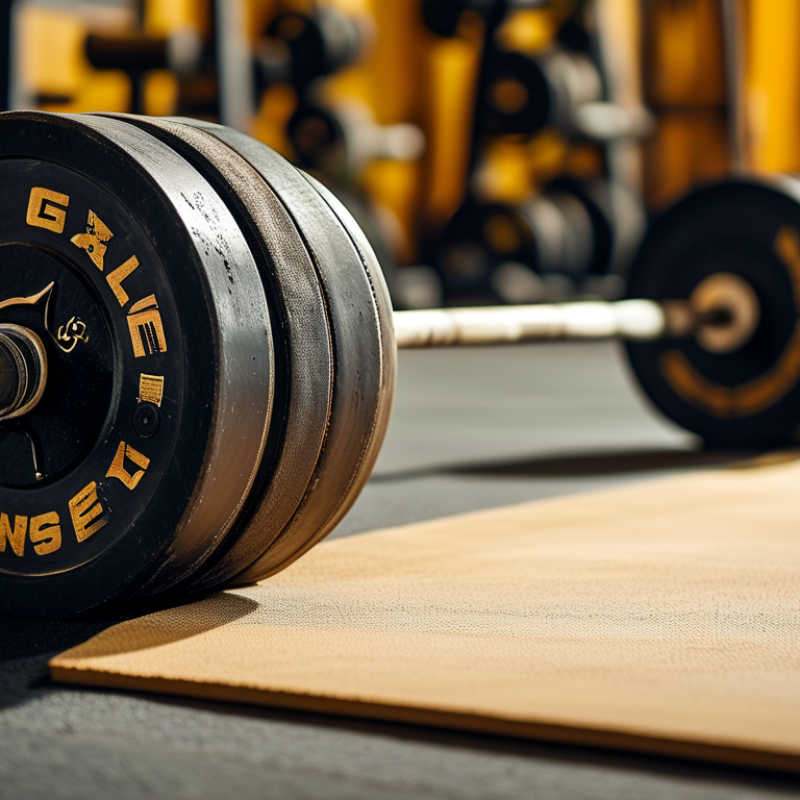
Understanding the Importance of Weight Floor Mats for Gym Environments
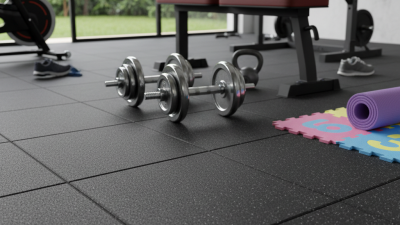
Weight floor mats are essential in gym environments for several reasons. They provide proper cushioning for your floor, absorbing the impact from heavy weights. This reduces damage to both the flooring and the weights. The right mat can create a safer workout space, minimizing slip and fall risks. Additionally, these mats help contain noise, making for a more pleasant gym experience.
When choosing a weight floor mat, consider factors like thickness and material. Thicker mats offer more protection, but may be heavier and more difficult to handle. Foam mats can be easy to move, yet they may not withstand heavy weights as effectively. Evaluate your gym's activities to choose the right mat that meets your unique needs.
Tips for selecting mats include checking for slip resistance. Look for mats that won’t shift underfoot or during exercises. Regularly inspect your mats for any signs of wear and tear. It's common for mats to degrade over time; don’t ignore them. Investing in the right weight floor mats can enhance the safety and longevity of your gym environment.
Key Features to Look for in Weight Floor Mats
When choosing weight floor mats, certain key features are crucial for optimal performance and safety. Firstly, material durability stands out. Mats made from high-density foam or rubber withstand heavy weights and prevent wear over time. A report from the International Health, Racquet & Sportsclub Association indicates that high-quality mats can last up to ten years. This longevity is essential in maintaining a safe workout environment.
Another important feature is slip resistance. Rough, textured surfaces provide grip, reducing the risk of accidents during workouts. The National Institute for Occupational Safety and Health suggests that slip-resistant mats significantly lower injury rates in gyms. Additionally, mats should be easy to clean, ensuring hygiene during intense training sessions. Regular maintenance can improve the lifespan and effectiveness of these mats.
Thickness is another consideration. Mats thicker than half an inch absorb impacts better, protecting both the floor and equipment. However, thicker options may be cumbersome to move. Many buyers overlook this aspect, leading to potential downsides. Moreover, certain mats can emit odors, which might not be acceptable for everyone. Ensuring proper ventilation or choosing low-VOC options can help mitigate this issue. A thoughtful approach to these considerations leads to a safer and more enjoyable workout experience.
Top Material Options for Weight Floor Mats: Pros and Cons
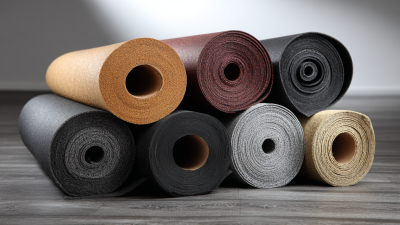
When selecting weight floor mats, material choice is crucial. Common options include rubber, foam, and vinyl. Each comes with advantages and drawbacks, impacting performance and longevity.
Rubber mats stand out for their durability. According to industry reports, rubber can absorb impact effectively, reducing noise levels during workouts. However, they can be more expensive. This cost can be a barrier for some facilities. Foam mats, on the other hand, offer comfort and softness. They are great for bodyweight exercises. Yet, they may wear out quickly under heavy weights. This leads to potential safety hazards if used incorrectly.
Vinyl mats provide a balance. They are easier to clean and maintain. Furthermore, they are often lightweight and portable. An industry survey revealed that around 30% of gyms prefer this option for versatility. Yet vinyl lacks the cushioning properties of rubber and foam. This can hinder performance during high-impact exercises. Choosing the right material involves considering the specific needs of the users and the environment. It’s essential to reflect on how each option aligns with safety, comfort, and cost.
Top 10 Weight Floor Mats for Global Buyers to Consider - Top Material Options for Weight Floor Mats: Pros and Cons
| Material Type |
Pros |
Cons |
Durability (Years) |
| Rubber |
Excellent shock absorption, slip-resistant |
Can be heavy, odor issues |
10-15 |
| Foam |
Lightweight, good cushioning |
Less durable, can compress over time |
3-5 |
| PVC |
Water-resistant, easy to clean |
Can become slippery when wet, less eco-friendly |
5-8 |
| Cork |
Natural material, good insulation |
Can wear down easily, moisture sensitivity |
5-10 |
| EVA |
Lightweight, resilience |
Less effective for heavy weights |
3-7 |
| Vinyl |
Durable, stylish designs available |
Can be slippery, not as eco-friendly |
7-10 |
| Carpet |
Comfortable underfoot, aesthetic appeal |
Difficult to clean, absorbs moisture |
3-5 |
| Wood |
Aesthetic, durable |
Expensive, can warp |
10-20 |
| Synthetic Blend |
Durable, versatile |
Can be costly, variable quality |
5-10 |
| Turf |
Traction, good for outdoor use |
Can fade, requires maintenance |
5-15 |
Comparative Analysis of the Best Weight Floor Mats on the Market
Choosing the right weight floor mats is crucial for safety and performance in gyms and workout areas. Research indicates that high-quality mats reduce impact and improve traction, which is vital for injury prevention. In fact, studies show that 73% of gym injuries occur due to inadequate flooring. This highlights the importance of selecting the best mats.
When comparing weight floor mats, consider factors like material, thickness, and grip. Foam and rubber are commonly used materials. Rubber offers superior durability and shock absorption. A mat’s thickness can significantly affect its effectiveness. Mats that are at least 3/8 inch thick provide adequate cushioning for heavy weights. Additionally, the coefficient of friction is a key metric. Mats with higher friction rates prevent slipping, which is particularly important for weightlifting.
While many mats on the market claim to be the best, not all live up to expectations. Some mats wear down faster than advertised. Others may contain harmful chemicals, affecting indoor air quality. Buyers should look for mats with certifications, like those from ASTM or CE. These ensure the products meet safety and environmental standards. Even with thorough research, sometimes the right choice isn't immediately clear. Being aware of these factors can lead to more informed purchasing decisions.
Considerations for Selecting Weight Floor Mats Based on Your Needs
Selecting the right weight floor mats is crucial for gym owners and fitness enthusiasts. These mats provide essential protection for floors and equipment. When choosing a mat, consider thickness and material. A report by the International Health, Racquet & Sportsclub Association (IHRSA) states that 70% of gym owners prioritize durability in their purchases.
Many mats are made from rubber or foam, which vary in resilience. For heavy lifting areas, thicker mats are preferable. Research indicates that mats 3/8 inch or thicker can withstand significant weight without damaging surfaces. It’s worth noting that while thicker mats provide better floor protection, they may be less portable.
Another factor to contemplate is maintenance. Mats can absorb sweat and grime, potentially harboring bacteria. A report from the CDC highlights the importance of cleanliness in gym equipment, with 30% of gym-goers expressing concern about hygiene. Choosing mats that are easy to clean can alleviate some of these worries. Reflecting on personal needs is also vital. A gym’s focus—be it weightlifting, yoga, or multi-purpose use—will influence the best choice. Each decision has its own set of advantages and drawbacks.
Top 10 Weight Floor Mats Comparison
This chart compares the thickness and material density of the top 10 weight floor mats based on user reviews and product specifications. The data reflects the average thickness (in mm) and material density (in kg/m²) of each mat.