Top Weight Floor Mats for 2025 Your Complete Buying Guide
As we step into 2025, the demand for high-quality Weight Floor Mats has reached unprecedented levels, and understanding what to look for is essential for both home and commercial fitness enthusiasts. According to fitness industry expert, Dr. Emily Johnson, "Choosing the right Weight Floor Mats not only protects your flooring but also enhances your workout experience by providing the necessary stability and safety." With increasing awareness of the importance of a designated workout space, the market is flooded with options tailored for various needs and environments.
When it comes to Weight Floor Mats, not all products are created equal. From gym owners seeking durable solutions for heavy equipment to individuals wanting to safeguard their home surfaces, the choices can be overwhelming. This buying guide aims to simplify that process, highlighting key features to consider, the benefits of investing in quality mats, and our top recommendations for 2025. As more people prioritize their fitness journeys, selecting the right Weight Floor Mats has never been more crucial for achieving optimal performance and protecting your space.
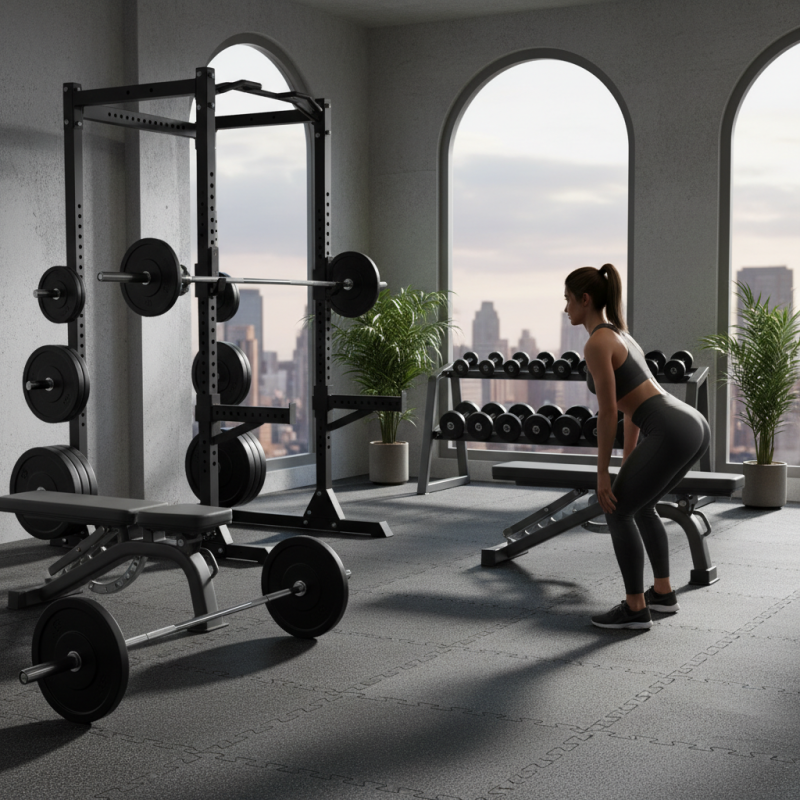
Understanding Weight Floor Mats: Key Features and Benefits
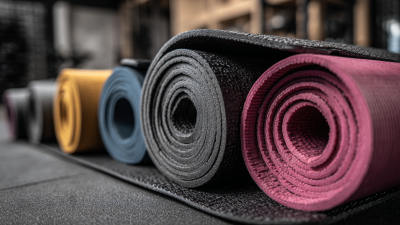
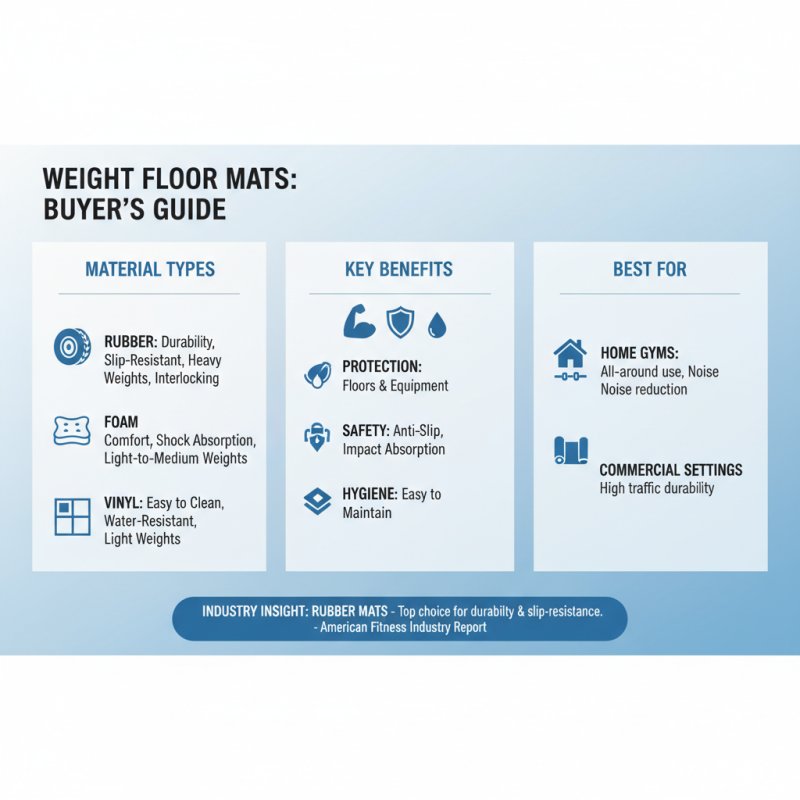
When selecting weight floor mats, it's essential to understand their key features and benefits to make an informed decision in 2025. One of the primary features to consider is the material composition. High-quality mats are typically made from rubber or foam, both of which provide durability and shock absorption. This is crucial for protecting flooring and reducing noise during weightlifting sessions. Additionally, mats with a textured surface enhance grip, ensuring safety while performing exercises.
Another significant benefit of using weight floor mats is their ability to prevent damage to floors and equipment. In gyms, heavy weights can easily scratch or dent surfaces; thus, investing in proper mats can extend the lifespan of your flooring while safeguarding your equipment from wear and tear. Furthermore, many mats are designed with a moisture-resistant surface, making them easy to clean and maintain, which is especially beneficial in high-traffic fitness environments. Choosing the right weight floor mat can transform your workout space into a safer and more efficient area.
Types of Weight Floor Mats: Materials and Design Options
When it comes to selecting the best weight floor mats, understanding the different materials and design options available is crucial. Most mats are made from rubber, foam, or vinyl, each offering unique benefits. According to a recent report by the American Fitness Industry, rubber mats are favored for their durability and slip resistance, making them ideal for both home gyms and commercial settings. These mats can withstand heavy weights and are often designed with interlocking edges for easy installation.
Foam mats, on the other hand, provide excellent shock absorption and are more lightweight, making them suitable for lighter weights and flooring in areas like yoga studios or children's playrooms. A study by the National Association of Sports Medicine noted that foam mats can reduce impact on joints by approximately 30%, promoting a safer workout environment. Additionally, vinyl mats offer a waterproof and easy-to-clean surface, ideal for spaces that require high hygiene standards, such as physical therapy clinics. With various designs and thickness options available, it's essential to consider your specific needs when choosing the right weight floor mat for your workout space.
How to Choose the Right Weight Floor Mat for Your Needs
When selecting the right weight floor mat for your needs, it's essential to consider several key factors. First and foremost, evaluate the type of exercise you'll be performing. Different mats are designed to accommodate specific activities like weightlifting, yoga, or cardio. For heavy lifting, mats with high-density foam or rubber provide the necessary support and shock absorption to protect both your floors and your joints.
Another important aspect to consider is the mat's size and thickness. Ensure that the mat covers the required area where you'll be training. A thicker mat offers more cushioning, which can be beneficial if you're performing high-impact movements. Additionally, look for mats with a non-slip surface to enhance stability and safety during workouts.
Lastly, durability is crucial; choose mats made from high-quality materials that can withstand wear and tear over time, especially if you're engaging in intense training sessions frequently.
Top Brands and Product Recommendations for 2025
When it comes to selecting weight floor mats for 2025, understanding the top brands and their product offerings is crucial. The market is evolving rapidly, with more emphasis being placed on durability, safety, and user-friendliness. Recent studies highlight that consumers are increasingly leaning towards high-quality materials that provide better traction and support, which is essential for preventing injuries during workouts. With the rise of fitness trends, expect manufacturers to innovate further, integrating features like anti-bacterial properties and eco-friendly materials into their products.
**Tips:** Always look for products that offer a warranty. This often indicates the manufacturer's confidence in the durability of their mats. Additionally, consider the thickness of the mat; thicker mats can absorb more shock, making them ideal for high-impact exercises.
In 2025, the consumer market continues to experience disruption, as indicated by the latest reports on fitness preferences. Brands that prioritize sustainability and incorporate user feedback in their designs are becoming frontrunners. As you explore your options, don't overlook the importance of brand reputation and customer reviews, which can provide insights into real-world performance and satisfaction.
Weight Floor Mats Comparison for 2025
Maintenance Tips for Longevity of Weight Floor Mats
When investing in weight floor mats, ensuring their longevity requires proper maintenance practices. One key step is regular cleaning; mats should be swept or vacuumed to remove debris and dirt that can cause wear over time. For deeper cleaning, using a mild detergent and water can help eliminate odors and stains. Always ensure that the mats are thoroughly dried after cleaning to prevent mold and mildew growth.
In addition to routine cleaning, consider the placement and usage of the mats. Positioning them in low-traffic areas or using them only during workouts can reduce wear and tear. Regularly check for signs of damage, such as cracks or tears, and address any issues promptly to avoid further deterioration. Implementing these maintenance tips will not only extend the life of your weight floor mats but also maintain a safe and hygienic exercise environment.
Top Weight Floor Mats for 2025 - Your Complete Buying Guide
| Mat Type |
Material |
Thickness |
Size Options |
Maintenance Tips |
| Rubber Weight Mat |
Heavy-duty Rubber |
3/4 inch |
4' x 6', 3' x 3' |
Regularly clean with mild soap and water. |
| Foam Exercise Mat |
High-density Foam |
1 inch |
60" x 24", Custom Sizes |
Wipe clean with a damp cloth; avoid harsh chemicals. |
| Interlocking Mats |
Eva Foam |
1/2 inch |
2' x 2' Tiles |
Check for gaps between mats, clean with a mop. |
| Vinyl Weight Mat |
Vinyl Coated |
3/8 inch |
5' x 8' |
Use vinyl cleaner; avoid dragging heavy equipment. |
| High Impact Mat |
Composite Material |
1 inch |
6' x 6' |
Ensure mat is dry; check for wear regularly. |