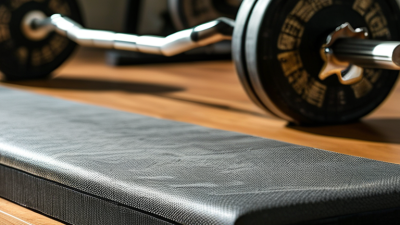
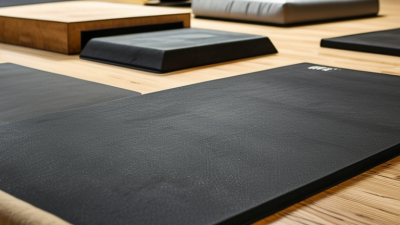
What is the Best Rubber Gym Mats for Your Workout Needs?
Choosing the right equipment for your workout is crucial. Rubber gym mats are popular among fitness enthusiasts. According to fitness expert John Miller, “The right surface can make a huge difference in your workout experience.” His insight highlights the importance of quality mats.
Rubber gym mats provide stability and comfort. They help reduce the risk of injury during workouts. When selecting mats, consider thickness and texture. Some mats are too thin for high-impact workouts. Others may not offer enough grip. Personal preferences play a significant role in this choice.
Many people overlook durability. Quality rubber mats can last for years. Cheaper options might wear out quickly, leading to replacement costs. It’s essential to evaluate your specific workout needs. Not every mat fits every situation. Aim for a balance between cost and quality to enhance your fitness journey.
Understanding the Importance of Rubber Gym Mats for Workouts
Rubber gym mats play a crucial role in enhancing workout safety and performance. According to a 2021 report from the National Association of Sports Medicine, around 70% of gym injuries result from slips or falls on hard surfaces. Rubber mats provide excellent traction. They reduce the likelihood of injury by offering a stable, cushioned surface. This is particularly important during high-intensity workouts where stability is essential.
In addition, rubber mats absorb shock effectively. A study published in the Journal of Sports Engineering found that rubber flooring can reduce impact forces by up to 50%. This is significant for athletes performing heavy lifts or aerobic exercises. However, not all rubber mats are created equal. Some may wear out quickly or provide insufficient cushioning. It's vital to choose mats that are durable and meet industry standards for safety and performance.
Moreover, cleaning and maintenance are often overlooked. Regular maintenance prolongs the life of these mats. A survey indicated that nearly 30% of gym owners neglect proper cleaning practices, leading to bacteria buildup. This can create a hazardous environment for users. Understanding these aspects can help individuals make informed choices when selecting the best rubber gym mats for their fitness needs.
Types of Rubber Gym Mats and Their Specific Uses
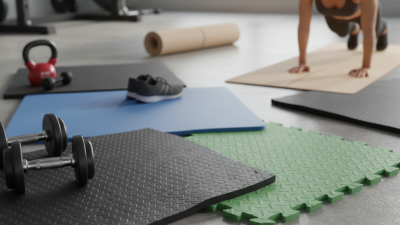
When selecting rubber gym mats, understanding their specific uses is crucial. There are various types of mats designed for different workout environments. For example, interlocking rubber tiles are popular for versatile spaces. They can easily adapt to any area, whether it's a home gym or a commercial fitness center.
Another type is rolled rubber flooring, which offers a seamless look and is ideal for heavy cardio equipment. According to a report from the International Health, Racquet & Sportsclub Association, 80% of gym owners rank flooring quality as essential in creating a safe workout environment. The right mat prevents slips and absorbs impact, reducing injuries during vigorous activities.
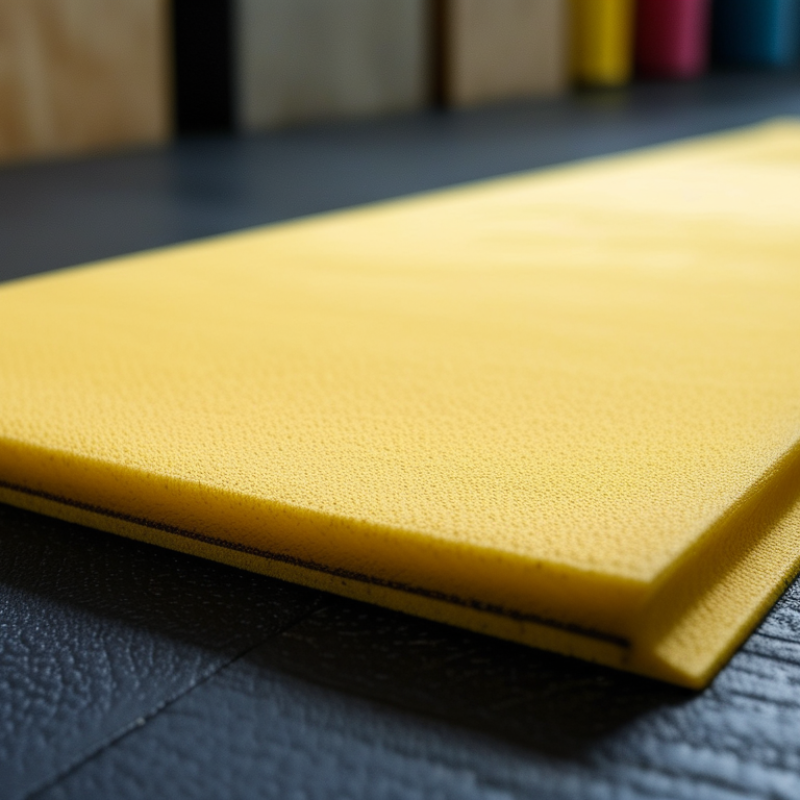
Choosing the right thickness is equally important. Thicker mats provide better cushioning for weightlifting or high-intensity workouts. But they can also be heavier and harder to move. Make sure to consider your workout type and available space.
Reflecting on gym setups, users often overlook maintenance. Regular cleaning and checking for wear can significantly extend mat life. It's crucial to assess how much traffic your workout space receives. A well-thought-out choice can enhance your workout experience and boost motivation.
What is the Best Rubber Gym Mats for Your Workout Needs?
| Type of Rubber Gym Mat |
Thickness |
Best For |
Key Features |
| Interlocking Mats |
1/2 inch |
Home Gyms, Floor Workouts |
Easy to assemble, shock absorbent |
| Roll-Out Mats |
1/4 inch |
Yoga, Aerobics |
Portable, lightweight, multi-purpose |
| Puzzle Mats |
3/8 inch |
Kids Play Areas, Light Workouts |
Customizable size, safe for children |
| Heavy-Duty Mats |
3/4 inch |
Weight Training, CrossFit |
Durable, resistant to heavy weights |
| Non-Slip Mats |
1/4 inch |
High-Intensity Workouts, Cardio |
Enhanced grip, easy to clean |
Key Features to Consider When Choosing a Rubber Gym Mat
When selecting a rubber gym mat, several key features are crucial for enhancing your workout experience. First, the thickness of the mat significantly impacts its performance. Mats range from 3mm to 12mm thick. Thicker mats provide more cushioning, especially useful for weightlifting or high-impact workouts. According to industry reports, mats with at least 8mm thickness are recommended for optimal support.
Durability is another essential aspect. High-quality rubber mats can withstand heavy use and resist wear and tear. A study found that durable mats last significantly longer, averaging 5-10 years with proper maintenance. Additionally, consider the mat's grip. Mats with a textured surface help prevent slipping during workouts. This feature is especially important for activities like yoga or HIIT.
Weight is a factor that often goes overlooked. Heavier mats usually indicate sturdier materials that offer better stability. However, heavier mats can be cumbersome to move. Evaluating these elements thoughtfully can reveal potential shortcomings. For instance, some mats may not offer the right support for every type of exercise, leading to discomfort. The right selection can greatly enhance your fitness routine, ensuring safety and performance.
Top Brands and Models of Rubber Gym Mats for Home Gyms
When choosing rubber gym mats, several factors come into play. Different brands offer unique features. Some mats prioritize durability, while others focus on cushioning. Thickness can vary too. A thicker mat provides more comfort but may be less stable. For high-impact workouts, think about a mat that absorbs shock well.
Top models often provide non-slip surfaces. This is essential for safety during intense exercises. Some mats are made of recycled rubber, making them eco-friendly. The texture may also differ, with some mats being smooth and others providing grip.
Price points can vary significantly. Investing in a quality mat is crucial for serious fitness enthusiasts. A lower-priced mat may wear out quickly, requiring replacement. Consider the warranty offered by the brand. A longer warranty can indicate better durability. Make sure to assess your workout needs before making a decision.
Maintenance and Care Tips for Longevity of Rubber Gym Mats
Rubber gym mats are essential for a safe and effective workout. However, their longevity depends significantly on proper maintenance and care. Regular cleaning is vital. Dust and dirt can build up, leading to odors and surface degradation. Use a mix of water and mild detergent for routine cleaning. Wipe them down after each use for the best results. This practice is simple yet effective.
Another key aspect is ensuring proper storage. Mats should be rolled up when not in use. Avoid folding, as this can cause creases and damage. Store them in a cool, dry place. Direct sunlight can degrade rubber over time, so shade is important. Check mats frequently for wear and tear. Small cracks can lead to larger issues if ignored.
Avoid using harsh chemicals for cleaning, as they can damage the mat's surface. Instead, opt for natural cleaning solutions. Consider applying a sealant occasionally to protect against moisture and stains. Being mindful about where you place your mats during workouts can also reduce wear. Heavy equipment should not be dragged across them. It's essential to foster a habit of care, ensuring your gym mats serve you well for years.