2026 Best Rubber Mat Options for Global Buyers to Consider
In the quest for quality and functionality, selecting the right Rubber Mat is crucial for buyers around the globe. Rubber mats serve diverse purposes, from enhancing safety in workplaces to providing comfort in homes. Given their versatility, understanding the best options available in 2026 is essential for informed purchasing decisions.
Navigating the world of Rubber Mats can be overwhelming. Buyers often face numerous choices, each with unique features and benefits. The right mat can significantly improve traction, reduce noise, and enhance overall well-being. However, not all mats are created equal. Factors such as material density, texture, and durability must be considered for optimal performance.
As we explore the best Rubber Mat choices in 2026, it is vital to balance functionality with sustainability. Some products may not meet environmental standards, prompting reflection on the importance of eco-friendly materials. Making the right choice holds the potential to impact not only your space but also the planet. Let’s dive deeper into this topic and discover options that truly meet global buyer needs.
Overview of Rubber Mat Types Available for Global Buyers
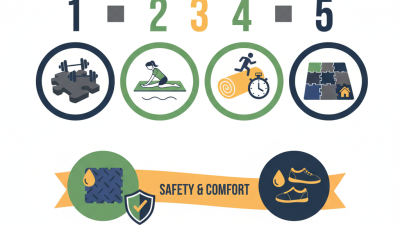
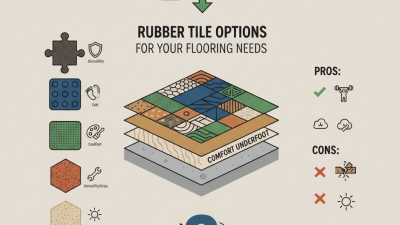
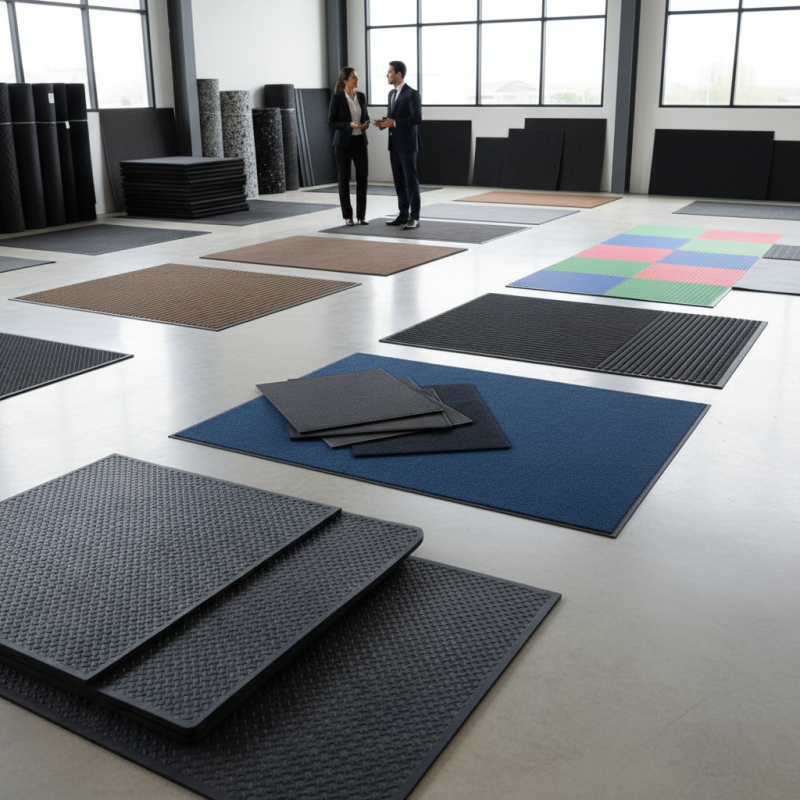
Rubber mats come in various types, catering to different needs across industries. Among the most popular types are anti-fatigue mats, interlocking mats, and gym flooring. These mats provide distinct benefits, from reducing fatigue in standing workplaces to enhancing traction in fitness settings. Research from the Occupational Safety and Health Administration indicates that anti-fatigue mats can reduce worker fatigue by as much as 40%, underscoring their essential role in occupational safety.
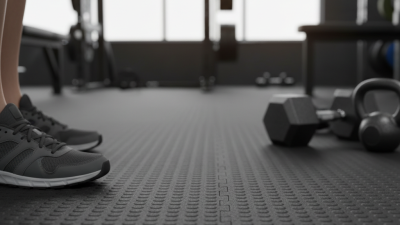
The choice of rubber mat significantly impacts performance and safety. Interlocking mats, for example, offer versatility for custom layouts in commercial spaces. They can be adjusted as needed, making them ideal for dynamic environments. However, some buyers underestimate their durability. Industry data highlights a 20% higher replacement rate for lower-quality interlocking options. Furthermore, gym flooring requires careful consideration of density and shock absorption. A study by the National American Sports Medicine Association suggests that proper flooring can reduce injury rates in fitness facilities by at least 30%.
Though options abound, potential buyers must navigate challenges. Not all rubber mats perform equally across various applications. Some mats may slip or wear prematurely. This highlights the importance of researching materials, thickness, and intended use. The best choice often lies between budget constraints and quality needs.
Factors to Consider When Choosing Rubber Mats
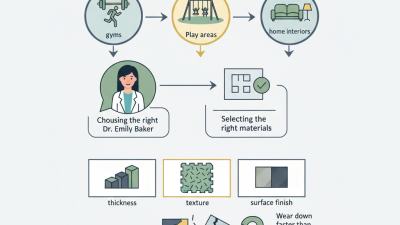
When selecting a rubber mat, consider the intended use first. Different environments require various materials. For instance, mats used in industrial settings need higher durability compared to those for home gyms.
Understanding your specific needs helps you choose wisely.
Texture and grip are critical factors. A mat with a textured surface can enhance stability and prevent slips. Evaluate your floor type too. Smooth floors might require mats with better traction. This detail often gets overlooked, but it can impact safety significantly.
Think about maintenance as well. Some mats are easier to clean than others. If you anticipate heavy use, choose materials that resist dirt and moisture. Reflect on how often you will clean the mat. Regular upkeep is necessary to prolong its lifespan. A reliable choice may require more effort in caring for it.
Top 2026 Rubber Mat Brands and Their Features
When choosing rubber mats, several brands stand out in 2026. A report by the Global Matting Association states that rubber mat sales are projected to grow by 5% annually due to increased awareness of workplace safety. Many brands highlight features like durability, slip resistance, and comfort for prolonged use.
Some products are designed for specific environments. For instance, mats in gyms must withstand heavy foot traffic and moisture. A study from the Health and Safety Executive found that mats with anti-fatigue properties can reduce workplace injuries by 15%. This emphasizes the importance of selecting mats tailored to your needs.
Tips: Always assess the mat’s thickness and texture. A thicker mat often provides better cushioning. Regular cleaning increases longevity and safety. Consider the warranty offered, as it often reflects the manufacturer's confidence in their product. Selecting the right rubber mat can significantly enhance safety and comfort in various settings, making informed decisions essential.
2026 Best Rubber Mat Options for Global Buyers to Consider
| Mat Type |
Material |
Thickness (inches) |
Surface Texture |
Color Options |
Eco-Friendly |
Price Range (USD) |
| Interlocking |
Natural Rubber |
0.5 |
Textured |
Black, Blue, Red |
Yes |
30 - 50 |
| Anti-Fatigue |
Foam Rubber |
0.75 |
Smooth |
Gray, Black |
Yes |
40 - 80 |
| Gym Mat |
Synthetic Rubber |
0.5 |
Textured |
Black, Purple |
Yes |
50 - 100 |
| Kitchen Mat |
Nitrile Rubber |
0.8 |
Honeycomb |
Black, Green |
Yes |
60 - 120 |
| Outdoor Mat |
Recycled Rubber |
1.0 |
Textured |
Black, Brown |
Yes |
40 - 90 |
Comparative Analysis of Rubber vs. Other Mat Materials
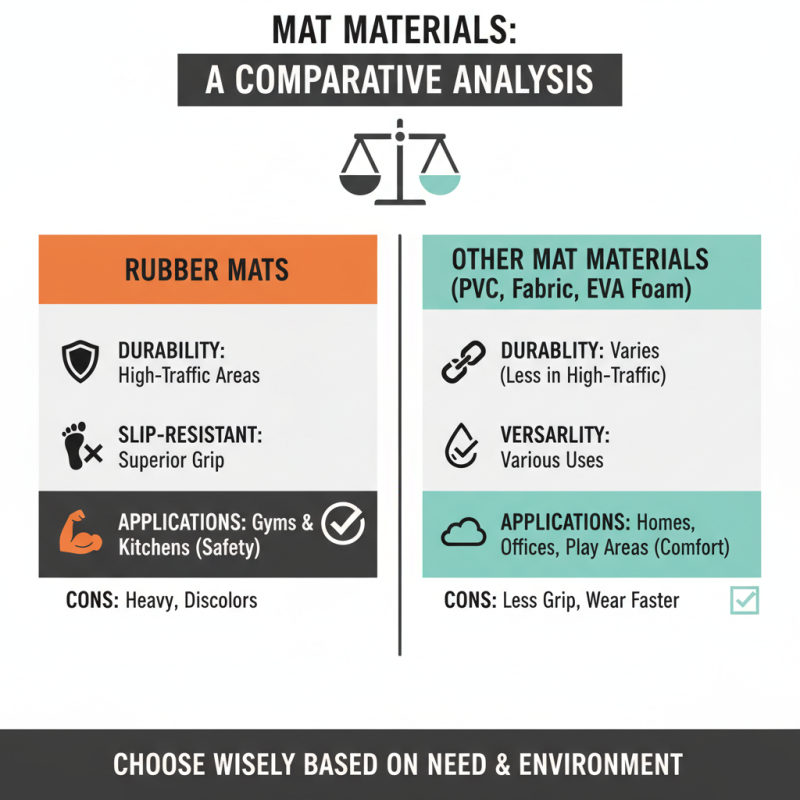
When choosing a mat, material plays a crucial role. Rubber mats stand out for their durability and slip-resistant features. They excel in high-traffic areas. However, they can be heavy and may discolor over time. It’s important to consider where you will use the mat. For gyms and kitchens, rubber provides excellent grip and cushioning. In these environments, safety is paramount.
In contrast, foam mats are lighter and offer comfort, yet they may not withstand heavy weight. Carpets can add warmth but often trap dirt and allergens. Some mats are made from synthetic fibers, which can be easier to clean but may lack the same durability. Each type has unique pros and cons. Users should assess their specific needs and test materials accordingly.
This decision can impact aesthetics and practicality. A well-chosen mat enhances safety while aligning with user preferences. Quality matters, but price often dictates choices. Finding the right balance is key. Understanding the properties of each material can lead to better purchasing decisions.
Sustainability and Environmental Impact of Rubber Mats
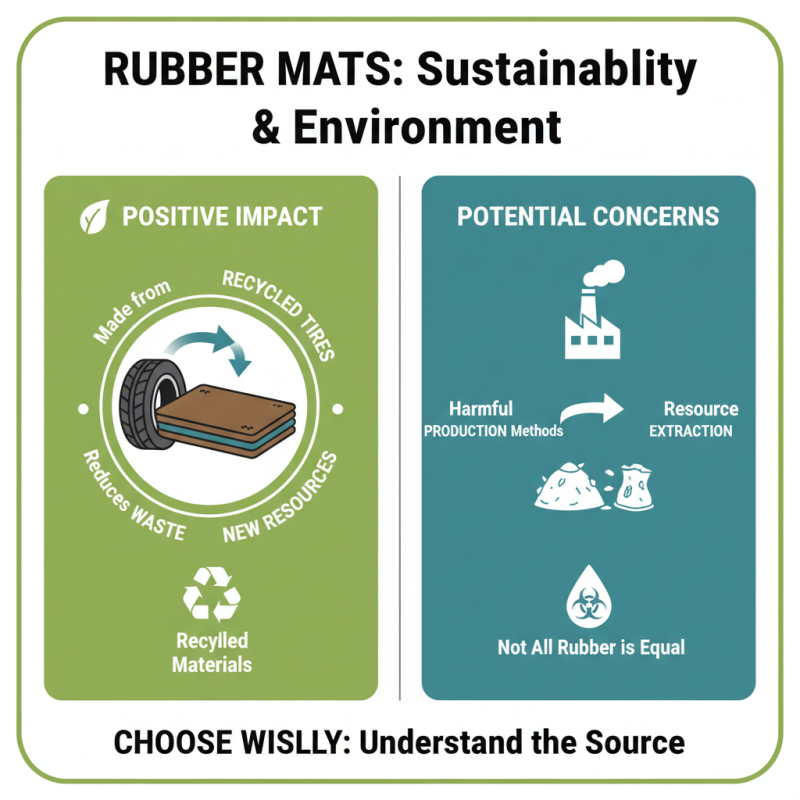
When considering rubber mats, sustainability is a key aspect. Many rubber mats are made from recycled materials, like old tires. This process reduces waste and minimizes the need for new resources. However, not all rubber is created equal. Some production methods can harm the environment. It's crucial for buyers to understand these differences.
The environmental impact of rubber mats extends beyond their production. After use, rubber mats can take decades to decompose. Proper disposal is essential to avoid landfills. Biodegradable options are emerging, yet they often lack durability. This raises a question: how can we balance sustainability with longevity in products?
Many consumers prioritize eco-friendly products. But they must research certifications and manufacturing processes. Not all claims made by manufacturers are reliable. There's a gap between perception and reality. Consumers deserve transparency in product sourcing and end-of-life options.