China Top Rubber Floor Products for Global Buyers in 2026?
As the world increasingly emphasizes sustainable living, Rubber Floor products have gained popularity. These floors not only provide durability but also enhance aesthetic appeal. In 2026, global buyers will seek innovative and high-quality Rubber Floor options.
Rubber Floors are versatile. They serve well in homes, gyms, and commercial spaces. The unique properties of rubber, such as shock absorption and easy maintenance, make them highly desirable. However, buyers should also consider potential drawbacks. Some lower-quality options may have limited longevity or weak designs.
Manufacturers must address these concerns. Providing reliable, eco-friendly materials will build trust with consumers. Thoughtful design and quality assurance are crucial. The future of Rubber Floors depends on innovation, sustainability, and meeting diverse customer needs. Buyers must remain vigilant and informed about product options.
Overview of Rubber Floor Products in China for Global Markets
China's rubber floor products have gained significant presence in global markets. The market has grown steadily, projected to reach approximately $2 billion by 2026. This growth stems from rising demand in sectors such as commercial spaces, residential areas, and sports facilities. Notably, rubber flooring is often preferred for its durability and sound-absorbing qualities.
According to the latest industry reports, over 30% of the rubber flooring produced in China is exported. North America and Europe are among the largest importers. However, challenges remain. Quality control in manufacturing can vary, impacting reliability. Additionally, environmental concerns arise from sourcing raw materials. Many factories are now adopting sustainable practices to address these issues.
Understanding these market dynamics is vital for global buyers. They must remain informed about certification and compliance standards. Buyers should also consider local consumer preferences. Customization options are increasingly important. Engaging with local suppliers can provide better insights into the evolving trends.
Key Manufacturers of Rubber Flooring in China by 2026
As global demand for flooring solutions increases, China's rubber flooring manufacturers are stepping up their game. By 2026, the rubber flooring market in China is projected to grow significantly, driven by investments in technology and sustainability. A recent report indicates the sector may see a CAGR of around 5% from 2021 to 2026, highlighting the industry’s resilience and adaptability.
Manufacturers are focusing on eco-friendly materials and innovative designs. For instance, many are adopting recycled materials in production processes. This reflects a broader trend towards sustainability in construction. The rise in urbanization is also leading to an increased need for durable and safe flooring solutions. Tips for buyers are crucial during this evolving market phase. Be sure to check certifications that guarantee quality and safety. Look for manufacturers with robust supply chains to avoid potential delays.
However, challenges persist. Many manufacturers struggle with consistent quality control, which can impact customer satisfaction. Additionally, market competition is fierce, pushing some companies to prioritize price over quality. Buyers should remain vigilant and seek out companies that prioritize long-term value and reliability over short-term gains.
Innovations in Rubber Flooring Technology and Design
Rubber flooring technology is rapidly evolving. In 2026, significant innovations will change the landscape of this industry. One noticeable trend is the emphasis on eco-friendly materials. Many new products will be made from recycled rubber, reducing waste and enhancing sustainability.
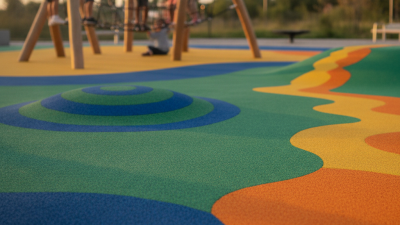
Design flexibility is another key aspect. Manufacturers are now offering a variety of colors and textures. This innovation allows for customization in different environments. Whether it’s a gym, a home, or a commercial space, options abound. However, not all innovations are flawless. Some new designs may lack durability compared to traditional options. This raises questions about the long-term viability of these products.
Another emerging trend is smart technology integration. This allows rubber flooring to monitor foot traffic and even temperature. Such features improve functionality. Yet, reliance on technology can lead to maintenance difficulties. Users must weigh convenience against potential technical issues. As the rubber flooring market grows, these aspects will continue to evolve, prompting important reflections on choices in design and technology.
Market Trends Influencing Rubber Flooring Purchases Globally
The rubber flooring market is evolving rapidly. Various factors shape global purchasing decisions. Sustainability is a growing concern for buyers. Eco-friendly materials attract attention. Many consumers prioritize products that reduce environmental impact. This trend pushes manufacturers to innovate.
Health considerations also influence choices. Rubber flooring is favored for its durability and safety. It provides cushioning, reducing injury risks. In sectors like education and healthcare, this aspect is critical. Ensuring safe spaces is non-negotiable. Yet, not all rubber products meet these safety standards.
Pricing strategies are complex. Economic fluctuations affect raw material costs. Buyers seek value without compromising quality. Some choose cheaper options, but this can result in poor performance. Reliable sourcing remains essential. Consumers must remain vigilant about the long-term implications of their purchases.
China Top Rubber Floor Products for Global Buyers in 2026
Sustainability Practices in China's Rubber Flooring Industry
The rubber flooring industry in China is transforming, focusing on sustainability. Manufacturers are increasingly adopting eco-friendly practices. This shift is evident in the sourcing of raw materials. Natural rubber is being cultivated responsibly. Synthetic alternatives are crafted from recycled materials to minimize waste.
Innovative strategies are gaining traction. Many companies are investing in green technologies. This includes energy-efficient production processes. The reduction of carbon footprints is vital. However, challenges remain. Not all manufacturers adhere to sustainable methods, raising questions about industry integrity.
Consumer demand for sustainable products is rising. Buyers are seeking transparent supply chains. They want to know where materials come from. This trend pushes companies to improve their practices. Yet, some still prioritize profit over the planet. The path to true sustainability requires ongoing effort and reflection. The industry must strive for balance between economic growth and environmental responsibility.