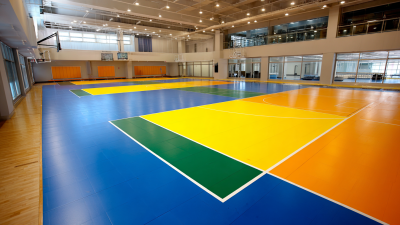
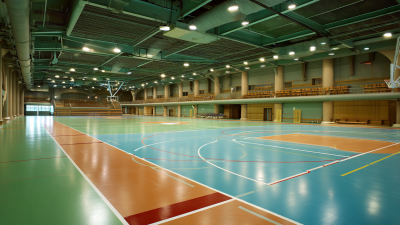
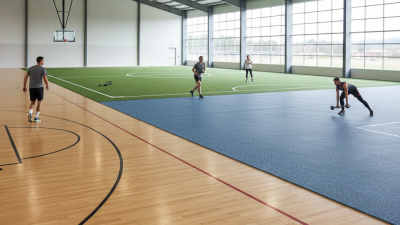
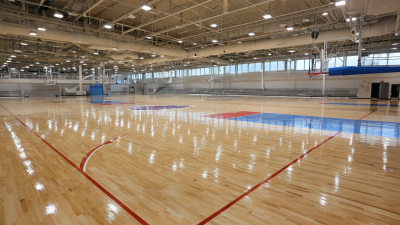
How to Choose the Best PVC Sport Flooring for Your Facility?
When selecting the right PVC sport flooring for a facility, experts emphasize the impact on performance and safety. John Smith, a renowned flooring consultant, states, “Choosing the right PVC sport flooring can transform your entire facility.” This echoes the importance of understanding specific needs before making a decision. high-quality PVC sport flooring provides excellent traction, cushioning, and durability.
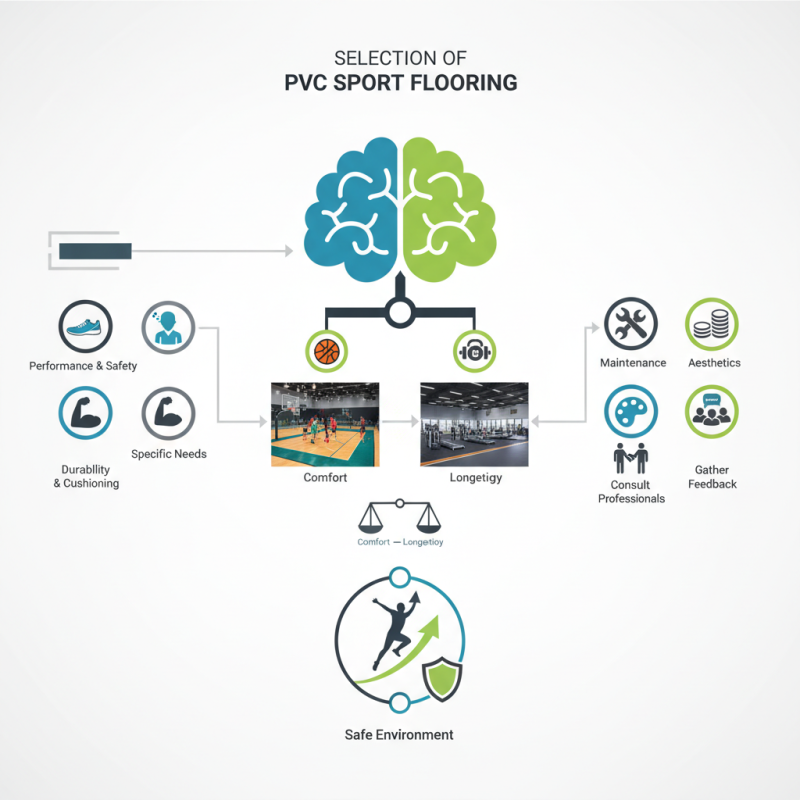
Facilities must assess their usage patterns. For example, basketball courts require different characteristics compared to fitness studios. The ideal PVC sport flooring combines comfort and longevity. However, not all products meet these criteria. Many options promise the best performance, yet fall short of expectations.
Investing in PVC sport flooring means considering factors like maintenance, aesthetics, and budget. While some choices appear appealing, they may not withstand heavy use. It is essential to consult professionals and gather feedback from existing users to ensure a wise choice. Quality flooring impacts athletes' performance and fosters a safe environment. Reflection on each option's pros and cons can lead to the best decision.
Understanding PVC Sport Flooring: Key Features and Benefits
PVC sport flooring is known for its versatility and durability. It offers a wide range of colors and designs, making it suitable for various facilities. The key features of PVC flooring include shock absorption, slip resistance, and ease of maintenance. These attributes help protect athletes while providing an attractive environment.
Tips: When selecting PVC flooring, consider the specific needs of your facility. Think about the types of sports to be played. Different sports have varying flooring requirements. For example, a gym may need more shock absorption for gymnastics.
In addition, durability is crucial. High foot traffic can wear down flooring quickly. Make sure to review the wear layer thickness. A thicker layer generally indicates better longevity. It's also essential to check for warranties, as this can reflect the manufacturer's confidence in their product.
Sometimes, the installation process can be overlooked. Proper installation is just as important as the material choice. A poorly installed floor can lead to issues, like bubbles or warping. So, ensure that you hire skilled professionals. This decision can save future headaches and extra costs.
How to Choose the Best PVC Sport Flooring for Your Facility?
| Feature |
Description |
Benefits |
| Durability |
Resists wear and tear from high traffic use. |
Long lifespan, reduces replacement costs. |
| Shock Absorption |
Provides cushioning for athletes during activities. |
Reduces risk of injury and promotes comfort. |
| Water Resistance |
Does not absorb moisture and is easy to clean. |
Prevents mold growth and maintains hygiene. |
| Slip Resistance |
Textured surface to enhance grip. |
Increases safety for all users. |
| Aesthetic Options |
Available in various colors and patterns. |
Enhances the overall look of the facility. |
| Ease of Installation |
Can be installed over existing floors without major renovations. |
Saves time and reduces labor costs. |
Types of PVC Sport Flooring: Options for Different Athletic Needs
When selecting PVC sport flooring, understanding the available types can greatly enhance athletic performance. PVC flooring comes in various designs suited for different sports, each with unique features. For example, some options offer superior shock absorption, important for high-impact activities like basketball or volleyball. Others may prioritize slip-resistance, which is crucial for athletes engaged in fast-paced sports.
Consider also the installation process. Some PVC flooring types are easier to install than others, which can save time and labor costs. However, a more intricate installation may provide better durability and long-term performance. Not all facilities have the same needs, and flexibility in design can play a key role in meeting those requirements.
Reflect on the maintenance needed for each flooring type. Some surfaces are easier to clean and keep in top condition, while others may require more effort to maintain. Remember, selecting the right PVC flooring isn't just about performance. It's also about how well it fits your facility's unique demands. Each choice has its pros and cons, and understanding these nuances can lead to a more effective decision.
Evaluating Durability and Maintenance for PVC Sport Flooring
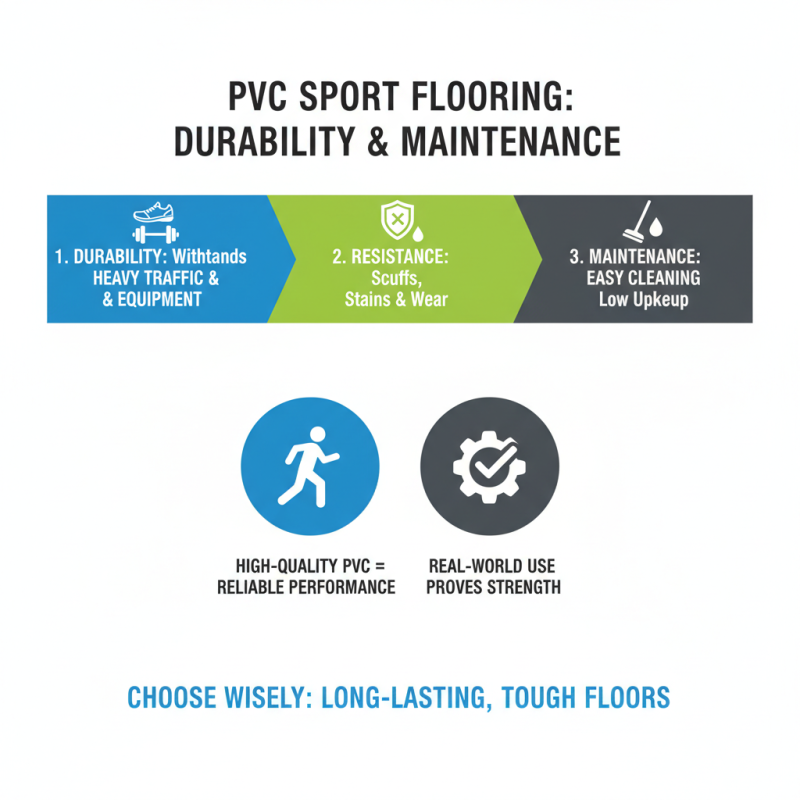
Choosing the right PVC sport flooring begins with evaluating its durability and maintenance. Durable flooring withstands heavy foot traffic and equipment use. High-quality PVC can resist scuffs and stains, making it suitable for various sports environments. Look for options that offer strong performance in challenging conditions. Some products may promise durability, but real-world usage can reveal weaknesses.
Maintenance is as crucial as durability. Easy-to-clean surfaces save time and resources. Regular cleaning prevents dirt buildup and reduces wear over time. However, not all options are maintenance-free. Some require special cleaning agents or techniques. This can be a hassle for facilities with limited staff.
Consider the long-term costs associated with maintenance. While cheaper flooring options may appeal initially, they can lead to more repairs. A thorough evaluation of ventilation, moisture control, and potential wear patterns helps in making an informed choice. Analyzing these factors carefully can illuminate the best PVC flooring for your needs.
Selecting the Right Thickness and Texture for Performance
When selecting PVC sport flooring for a facility, thickness plays a crucial role. A thickness of 5mm to 7mm often suits most sports applications. Thicker flooring can absorb more impact, which is beneficial for high-intensity sports. Conversely, if multiple sports share the same space, varying thickness may be needed. Choosing an appropriate thickness can be challenging but vital for athlete safety.
Texture is equally important in performance. A smooth surface may aid in speed but can increase the risk of slipping. On the other hand, textured surfaces provide grip but might slow down movement. Striking a balance between speed and safety is essential. Facilities should also consider cleaning and maintenance, as texture can complicate upkeep. It’s worth reflecting on how each decision affects performance and safety.
Budget Considerations and Installation Options for PVC Flooring
When it comes to selecting PVC sport flooring, budget and
installation options are critical factors. Studies show that quality PVC flooring can range from
$2 to $6 per square foot. Choosing an option at the lower end can limit durability and performance. Investing slightly more can enhance longevity
and reduce maintenance costs significantly.
Installation methods also vary. Some options allow for easy DIY installation, while others require professional assistance. For example,
interlocking tiles are user-friendly and can be installed without adhesives or tools. Conversely, sheet vinyl may need expert installation, raising
initial costs. Reports suggest that improper installation can lead to premature wear and tear, affecting performance and safety.
Ultimately, balancing budget constraints with long-term value is essential. The right PVC flooring not only enhances safety but also improves playability.
Regular reviews of cost versus performance data are crucial. Evaluating these
factors can lead to more informed decisions, ensuring a facility meets its needs efficiently.