Why Choose Vinyl Floor Tiles for Your Home Renovation?
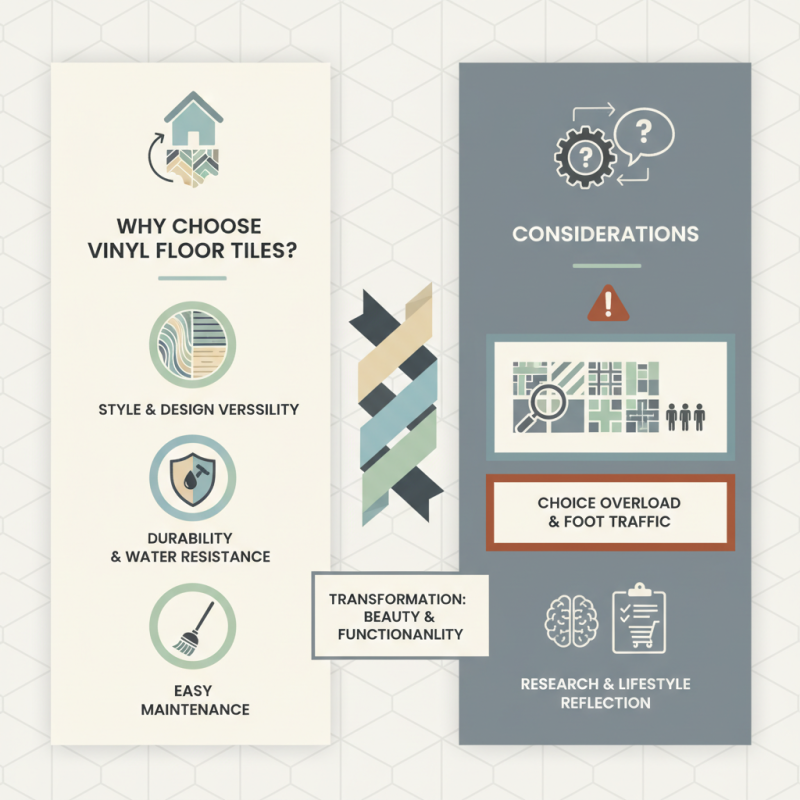
Renovating your home is an exciting journey. The choices you make will shape your space. One material stands out: Vinyl Floor Tiles. These tiles offer a blend of style, durability, and practicality.
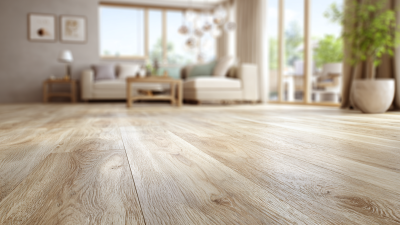
Vinyl Floor Tiles come in various designs. They mimic hardwood, stone, and even ceramics. This versatility allows homeowners to match any decor. The water resistance is a significant benefit, especially in kitchens and bathrooms. Maintenance is also easy, needing only regular sweeping and occasional mopping.
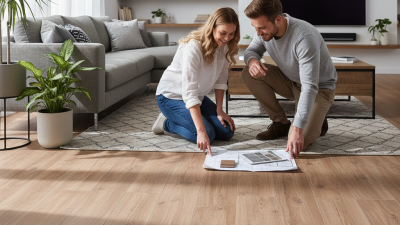
However, the sheer number of choices can be overwhelming. Not all vinyl tiles are created equally. Some may not withstand heavy foot traffic. Researching brands and shopping wisely is essential. Reflecting on your lifestyle can guide you in making the best decision. Embracing Vinyl Floor Tiles could transform your renovation experience, blending beauty and functionality seamlessly.
Benefits of Vinyl Floor Tiles for Home Renovation
Vinyl floor tiles have gained immense popularity in home renovations due to their unique benefits. These tiles are not only versatile but also durable. According to a report by the Resilient Floor Covering Institute, vinyl flooring can last 10 to 20 years with proper care. This longevity makes it an appealing option for homeowners seeking value.
Installation is also a significant advantage. Many homeowners can DIY install vinyl tiles without professional help, saving on labor costs. The ease of installation means less disruption at home. The National Association of Home Builders notes that homeowners value quick turnaround times for renovations. Vinyl tiles fit right into this need.
Furthermore, vinyl tiles offer substantial design flexibility. They come in countless patterns and colors, which can mimic the look of natural materials like wood or stone. This visual appeal can enhance any room while maintaining budget-friendly renovations. However, there’s a need for quality assurance. Not all vinyl tiles are created equal; some may wear down quicker than expected. Homeowners should do thorough research before deciding.
Durability and Maintenance of Vinyl Flooring
When considering home renovation, the durability of vinyl floor tiles stands out. They are designed to withstand heavy foot traffic. Many homeowners appreciate how vinyl can handle spills and stains without damage. This makes it ideal for areas like kitchens and bathrooms. Unlike natural wood, vinyl does not warp or swell.
Maintenance is surprisingly easy. A simple sweep and occasional mopping keep floors looking fresh. However, over time, scuffs may appear. It's wise to use protective pads under furniture to minimize this wear. For deeper scratches, there are repair kits available. Even with its resilience, some might find replacing a tile easier than repairing it.
Vinyl flooring is versatile, available in various styles, mimicking wood or stone. Yet, potential buyers should be mindful of quality differences between products. Not all vinyl is created equal. Cheaper options may not provide longevity. Considering these aspects will ensure a wiser investment for your home renovation.
Why Choose Vinyl Floor Tiles for Your Home Renovation? - Durability and Maintenance of Vinyl Flooring
| Dimension |
Vinyl Flooring |
Other Flooring Options |
| Durability |
Highly durable, resistant to scratches and dents |
Varies widely; hardwoods may scratch easily |
| Water Resistance |
Excellent water-resistant properties |
Limited, especially for wood |
| Maintenance |
Easy to clean, just regular sweeping and mopping |
May require special cleaning products |
| Comfort |
Soft underfoot, warm feel |
Can be cold and hard, depending on the material |
| Installation |
Relatively easy, can be DIY-friendly |
Often requires professional installation |
| Cost |
Generally affordable |
Can be more expensive, especially for natural materials |
Aesthetic Options and Design Versatility in Vinyl Tiles
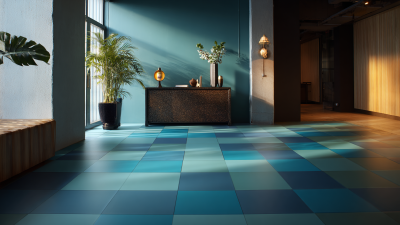
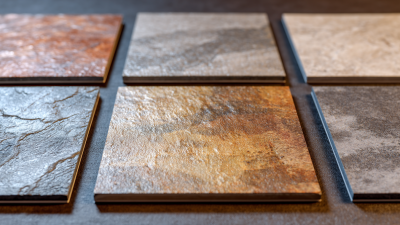
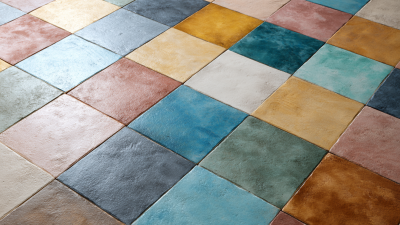
Vinyl floor tiles offer stunning aesthetic options for your home. They mimic the look of natural materials like wood and stone, but without the hefty price tag. These tiles come in a wide range of colors and patterns, allowing homeowners to express their unique style. From rustic vibes to sleek modern designs, you can find a vinyl tile that suits your vision.
Design versatility is another significant advantage of vinyl tiles. They can adapt to any room, whether it's a cozy living area or a busy kitchen. The tiles are easy to install, even for DIY enthusiasts. However, some people may find the abundant choices overwhelming. It's essential to choose a style that aligns with the overall theme of your home. The texture and finish can impact the space's mood, so take your time to explore different options.
While vinyl tiles are resilient, they might not be perfect for every situation. High-traffic areas could show signs of wear earlier than expected. It's advisable to consider foot traffic when selecting the right product. This allows for a balance between aesthetics and functionality, ensuring long-lasting satisfaction in your renovation project. Exploring these details will ultimately lead to a more informed decision.
Vinyl Floor Tiles: Key Features and Benefits
This bar chart illustrates the importance of various features of vinyl floor tiles when considering them for home renovation projects. The key features include water resistance, durability, design versatility, eco-friendliness, and ease of installation. Understanding these factors can help homeowners make informed decisions when selecting flooring options.
Cost-Effectiveness of Vinyl Tiles Compared to Other Flooring
When considering flooring options, cost matters significantly.
Vinyl floor tiles are often more affordable than hardwood or ceramic tiles.
This affordability does not compromise quality. Vinyl tiles offer durability and resistance to moisture.
They are ideal for kitchens and bathrooms.
Installation costs are lower with vinyl tiles as well.
They are easy to lay down, often requiring just adhesive or a peel-and-stick method.
This means homeowners can save on labor costs. DIY installation is a viable option if you have some skills.
However, it's essential to consider long-term value.
Vinyl may not last as long as higher-end materials like ceramic or stone.
Some may question its environmental impact too.
There are varied opinions on this. Overall, for budget-conscious renovations,
vinyl tiles present a compelling choice.
Environmental Considerations of Using Vinyl Flooring
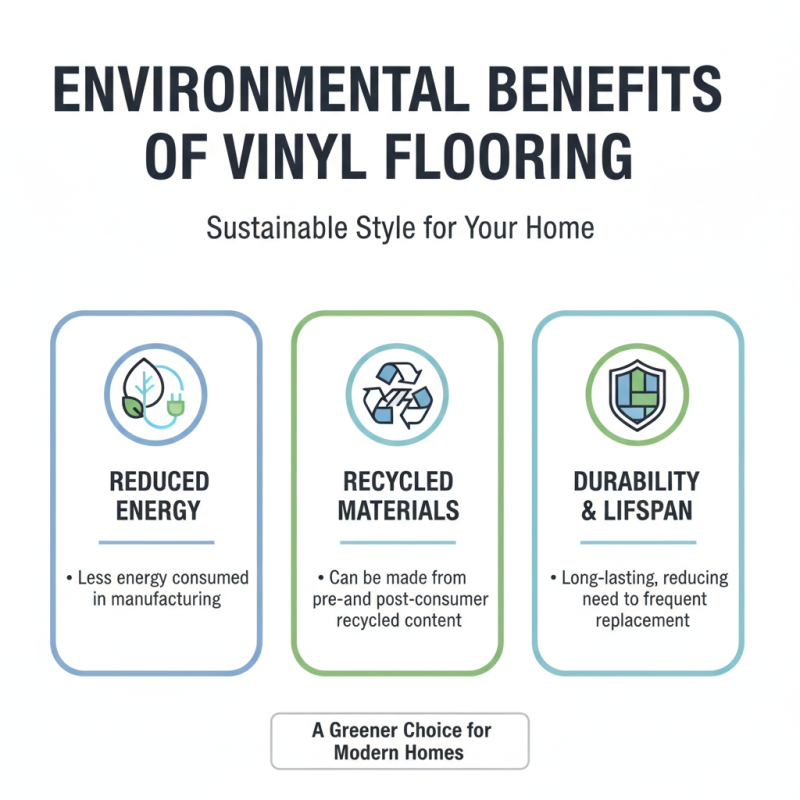
Vinyl flooring has gained popularity not just for its aesthetic appeal, but also for its environmental considerations. When choosing flooring materials, many homeowners are concerned about sustainability. Vinyl tiles can indeed be a more environmentally friendly choice compared to traditional materials like hardwood or stone. They require less energy to produce and can be manufactured from recycled materials.
However, it's vital to acknowledge some challenges with vinyl flooring. While it is durable, concerns about off-gassing should not be ignored. Volatile organic compounds (VOCs) can be released from some vinyl products, potentially affecting indoor air quality. Ensuring proper ventilation during installation can help mitigate these effects.
Additionally, disposal of vinyl flooring can pose environmental issues. Unlike natural materials, vinyl is not biodegradable. Homeowners should consider this aspect during their renovation decisions. Choosing products made from recycled vinyl can help reduce waste and promote sustainability. Balancing aesthetics with environmental impact can lead to a more responsible choice in home renovations.