Top 10 Essential Tips for Choosing Vinyl Floor Tiles?
When it comes to home improvement, choosing the right flooring is essential. Vinyl floor tiles offer a durable and stylish option for many homeowners. Expert Linda Peters, a renowned interior designer, states, “Vinyl floor tiles can transform any space when chosen carefully.”
Selecting the perfect vinyl floor tiles requires careful consideration. There are various styles, colors, and textures available that can suit different tastes and needs. Each choice can dramatically impact your home's ambiance. Reflecting on your lifestyle is crucial. Do you have children or pets? These factors influence your decision.
Moreover, many people overlook the importance of quality in vinyl floor tiles. Investing in reliable brands is vital for long-term satisfaction. Paying attention to installation and maintenance is equally important. A well-chosen product can save you time and frustration in the future. Ultimately, making informed choices can lead to beautifully transformed spaces.
Understanding the Different Types of Vinyl Floor Tiles Available
When selecting vinyl floor tiles, it’s crucial to understand the various types available. Vinyl tiles come in two main categories: luxury vinyl tiles (LVT) and traditional vinyl composite tiles (VCT). According to industry reports, LVT is favored for its durability and aesthetic appeal, comprising over 60% of the vinyl flooring market in recent years.
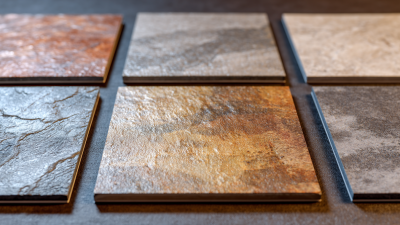
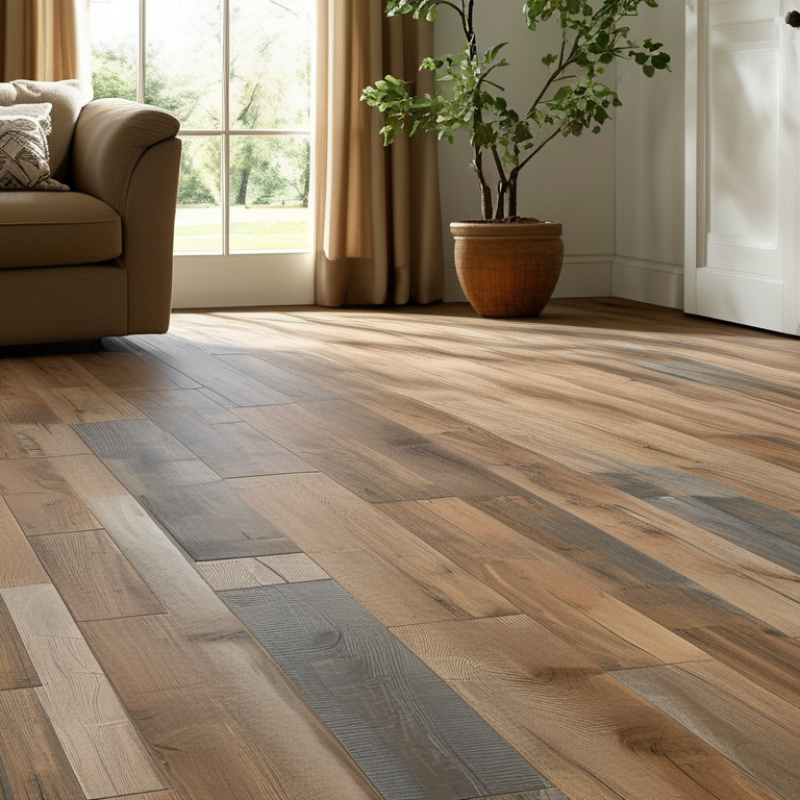
Luxury vinyl tiles are known for their realistic wood or stone appearances, thanks to advanced printing technology. They offer flexibility and can be installed in both residential and commercial spaces. Meanwhile, VCT is often used in high-traffic areas due to its sturdiness. However, it requires regular maintenance to sustain its appearance, which can be a drawback.
Another factor to consider is thickness. Thicker tiles can provide better sound absorption and comfort. It's noted that tiles ranging from 4 to 8 mm in thickness are most popular. Yet, some folks might overlook the importance of underlayment, which can significantly influence the overall feel and sound. Choosing the right type of vinyl floor tile can enhance both aesthetics and functionality, ensuring a satisfying long-term investment.
Evaluating Durability and Wear Layers for Long-lasting Performance
Durability is a key factor when selecting vinyl floor tiles. Consider how the wear layer affects the tile’s performance. The wear layer protects against scratches and stains. A thicker wear layer generally guarantees better protection. Look for a minimum thickness of 12 mils for residential spaces. For high-traffic areas, choose tiles with 20 mils or more.
Evaluate the structure of the vinyl tiles. Some options feature multiple layers for added resilience. A strong backing layer can reduce dents and increase stability. Opt for tiles with solid warranties, as this often reflects quality. Research manufacturers' claims carefully; not all warranties cover the same aspects.
Installation methods can also impact durability. Some tiles require glue, while others are click-lock. Improper installation may lead to premature wear. Always follow guidelines, hiring professionals if necessary. It’s crucial to reflect on your lifestyle before making a decision. Will you host frequent gatherings? If so, investing in higher-quality options may save you money in the long run.
Top 10 Essential Tips for Choosing Vinyl Floor Tiles
| Tip |
Description |
Durability Rating |
Wear Layer Thickness (mm) |
| Evaluate Traffic Levels |
Consider where the tiles will be installed and the amount of foot traffic. |
High |
4-6 mm |
| Look for the Right Wear Layer |
A thicker wear layer offers better resistance to scratches and stains. |
Medium |
0.5-1 mm |
| Assess Water Resistance |
Choose waterproof or water-resistant options for areas prone to spills. |
High |
1.5 mm |
| Consider the Design |
Select a pattern and color that complements your decor. |
N/A |
N/A |
| Installation Type |
Decide between glue-down, click-lock, or loose-lay installation. |
N/A |
N/A |
| Check for VOC Emissions |
Look for low-VOC products for better indoor air quality. |
High |
N/A |
| Warranty Check |
Review the warranty for assurance on durability. |
Varies |
N/A |
| Maintenance Requirements |
Consider how easily the flooring can be cleaned and maintained. |
Medium |
N/A |
| Budget Consideration |
Set a budget as prices can vary widely for vinyl tiles. |
N/A |
N/A |
Choosing the Right Design and Color to Match Your Space
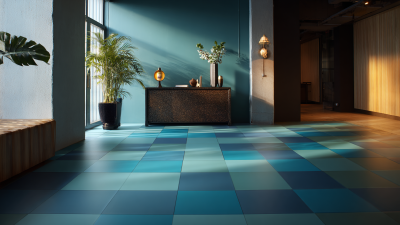
When choosing vinyl floor tiles, the design and color are crucial. A report from the National Association of Home Builders states that color influences mood and space perception. Light colors can make a room appear larger. They create an airy feel, perfect for small spaces.
Contrastingly, darker shades add coziness. They work well in larger areas and create a sense of comfort. Choosing the right hue is about finding balance. You want tiles that complement your decor but also reflect your style. Neutral tones like gray or beige are versatile. They blend easily with various design elements.
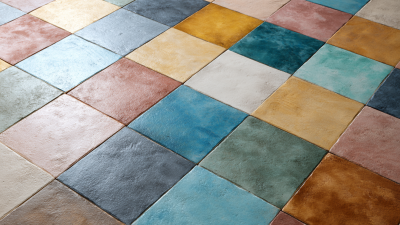
Don’t overlook patterns. They bring texture and personality to spaces. However, bold patterns can overwhelm a room. It’s essential to test tiles in your actual space, under different lighting. Experts suggest spending time visualizing how the design fits your lifestyle. Also, consider durability and maintenance needs. Aesthetic value should be paired with practicality, ensuring long-term satisfaction.
Assessing Installation Methods: Glue-down vs. Click-lock Options
When it comes to choosing vinyl floor tiles, installation methods play a significant role. The two primary choices are glue-down and click-lock options. Both have their unique advantages and potential drawbacks. According to industry reports, about 45% of homeowners prefer glue-down methods for their stability and durability. This technique secures tiles firmly to the subfloor, minimizing any movement over time.
However, glue-down installations can be challenging. Proper surface preparation is crucial. Uneven floors can lead to adhesive failures. Additionally, the drying time can extend the overall installation process, which may be a concern for many. On the other hand, click-lock options offer a user-friendly approach. Approximately 55% of homeowners opt for this method due to its ease of installation and flexibility. It requires no adhesives and is suitable for DIY projects, appealing to those looking to save costs.
Yet, there are limitations. Click-lock tiles may not adhere as firmly as glue-down options, potentially leading to shifting over time. This method also demands precise alignment during installation to avoid gaps. Evaluating these factors is essential for selecting the right vinyl floor tiles for your space. Each option has its considerations, making it necessary to weigh your priorities.
Budgeting for Vinyl Floor Tiles: Cost Considerations and Value
Budgeting for vinyl floor tiles requires careful consideration. The average cost of vinyl flooring ranges from $2 to $7 per square foot, according to industry reports. Installation costs can add another $1 to $3 per square foot. This data indicates that budgeting should prioritize not only the material but also the installation.
Consider the long-term value of vinyl tiles. They are durable and resistant to stains and scratches. A good-quality vinyl can last up to 15 years, making it a wise investment. Reports suggest that vinyl flooring has a return on investment of about 70% when reselling a home. This statistic highlights how choosing the right flooring can enhance your property’s marketability.
Additionally, keep in mind other hidden costs. Underlayment and old floor removal can increase your budget. Many homeowners overlook these extras, leading to unexpected expenses. Planning for maintenance is also vital. While vinyl is generally low maintenance, it still requires occasional cleaning and care to maintain its appearance.