2026 How to Choose the Best Rubber Roll for Your Industry Needs?
In industrial settings, selecting the right Rubber Roll can significantly impact efficiency and productivity. The global Rubber Roll market is anticipated to reach $1.2 billion by 2026, reflecting steady growth. As businesses seek customization to meet specific requirements, choosing the right material and design becomes essential.
Industry expert, Dr. John Smith, emphasizes, "Understanding your application is key to selecting the right Rubber Roll." His perspective underscores the importance of assessing various factors like durometer, thickness, and surface finish. Each of these elements can alter the performance of the roll in diverse environments, from printing to manufacturing.
Moreover, issues can arise when businesses overlook specific needs or applications. For instance, selecting an incorrect hardness can lead to increased wear or inadequate pressure distribution. Companies must engage with reputable suppliers and conduct thorough research to ensure their choice aligns with industry standards. Careful consideration is vital in making an informed decision that truly reflects operational needs.

Understanding the Different Types of Rubber Rolls and Their Uses
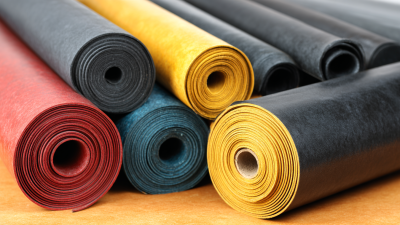
When selecting a rubber roll, understanding the different types available is critical. Rubber rolls can vary significantly in their composition and application. The two main types are solid rubber rolls and laminates. Solid rubber rolls are durable and can withstand heavy wear, making them ideal for industries like manufacturing. On the other hand, laminated rolls offer flexibility and are often used in printing applications.
According to a report by the Rubber Manufacturers Association, global demand for rubber products is projected to grow steadily, with the rubber roll segment expected to account for a significant share of this market. Industries often look for rolls that offer the right balance between resilience and grip. For example, a manufacturing facility may need a high-friction roll to prevent slippage during operation. However, what's suitable in one context may not be in another; this can lead to unexpected challenges, such as premature wear or inadequate performance.
While many manufacturers promote their products, the best choice relies on careful assessment of specific needs. Misalignment in expectations can lead to costly errors. Decisions should be informed by both application requirements and comprehensive data. This includes understanding the environmental conditions the roll will face. A roll suitable for dry conditions may falter in humid environments. Thus, many companies find themselves reconsidering their initial choices after facing performance issues.
2026 How to Choose the Best Rubber Roll for Your Industry Needs?
| Type of Rubber Roll |
Material Composition |
Common Uses |
Advantages |
Disadvantages |
| Natural Rubber Roll |
100% Natural Rubber |
Printing, Paper Industry |
High elasticity, Good grip |
Not resistant to ozone and UV |
| Synthetic Rubber Roll |
Nitrile, Neoprene |
Automotive, Oil Industry |
Excellent chemical resistance |
Higher cost compared to natural rubber |
| EPDM Rubber Roll |
Ethylene Propylene Diene Monomer |
Roofing, Automotive Seals |
Excellent weather resistance |
Lower elasticity compared to natural rubber |
| SBR Rubber Roll |
Styrene-Butadiene Rubber |
Textile, Conveyor Belts |
Good abrasion resistance |
Poor heat resistance |
| Silicone Rubber Roll |
Silicone Polymer |
Food Processing, Medical |
High heat resistance, Non-toxic |
Higher price point |
Key Factors to Consider When Selecting Rubber Rolls for Your Industry
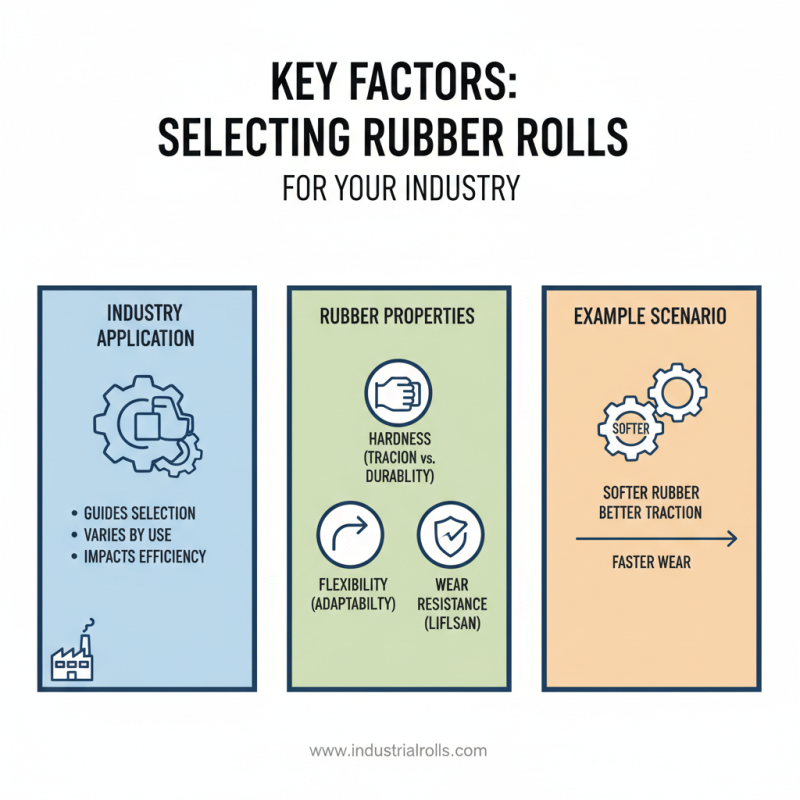
Choosing the right rubber roll can significantly impact operational efficiency. The industry you operate in should guide your selection process. Different applications demand specific properties from rubber rolls. Understanding the hardness, flexibility, and wear resistance of the rubber is crucial. For example, softer rubber offers better traction but may wear out faster.
Consider the environmental conditions surrounding the application. Heat, chemicals, and moisture levels can affect rubber performance. Selecting a roll that can withstand these conditions is vital for longevity. An overlooked aspect is the roll’s surface finish. A textured finish may prevent slippage in some processes, while a smooth finish is better for others.
It’s important to consult experts in the field. They can provide insights based on real-world experiences. Take feedback from previous users seriously. Consider prototypes to test how different rolls perform in your specific settings. Analyzing these outcomes will help you make a more informed decision. Sometimes, the perfect roll might not exist, and adjustments could be necessary.
Evaluating Durability and Performance of Rubber Rolls in Various Applications
When evaluating the durability and performance of rubber rolls for various applications, it is crucial to consider specific factors that impact usability. Different industries require unique rubber properties. For example, a food processing plant might need rubber rolls that can withstand frequent cleaning without degradation. In contrast, printing industries require rolls that maintain high precision and ink transfer.
Tips: Always assess the environment where the rubber rolls will be used. High temperatures and chemicals can affect longevity. Testing samples in real working conditions can reveal weaknesses.
Moreover, performance relies on the rubber's hardness and composition. Softer rubbers may provide better grip but wear out quickly under pressure. On the other hand, harder materials can resist wear but might slip in wet conditions. Understanding the trade-offs enables industries to select the right rolls.
Tips: Always inquire about the material specifications from suppliers. Ensure they align with your operational demands. When in doubt, consult with an expert in rubber technology for tailored advice.
Budgeting: Cost vs. Quality for Your Rubber Roll Selection
When selecting rubber rolls for your industry, budgeting plays a crucial role. Cost often competes with quality. Finding the right balance can be challenging. Low-cost options may save money initially. However, they could lead to higher maintenance costs later. Investing in high-quality rubber rolls often pays off in the long run.
Consider the specific demands of your application. Certain industries require durability and resilience. Others may prioritize flexibility or resistance to chemicals. Understand your operational needs. This clarity can guide your budget decisions. Sometimes, a more expensive roll will outperform a cheaper alternative. Are you ready to pay the price for reliability?
Evaluate your supplier’s expertise. High-quality manufacturers often provide detailed information about material specifications. This transparency helps in assessing their product's longevity and performance. Remember to check reviews and reliability ratings. Don't overlook the importance of warranty terms. They can provide insight into a company's confidence in their product. A thoughtful approach to budgeting reflects the true value of rubber rolls.
Maintenance and Longevity: Best Practices for Rubber Roll Care
Maintaining rubber rolls is crucial for optimizing performance and
extending their lifespan. Regular inspection is essential. Schedule maintenance checks at least every six months.
This helps identify wear or damage early. Data from industry reports indicate that proper upkeep can increase rubber roll
efficiency by up to 30%.
Cleaning is another key aspect. Use mild detergents and soft brushes to avoid
surface damage. Cleaning should occur weekly, especially in high-use environments. Neglecting this can lead to buildup
that affects performance. A report published by the Rubber Manufacturers Association
states that poor cleaning practices reduce equipment life by as much as 25%.
Temperature Control is vital. Store rubber rolls in a
climate-controlled environment. Extreme temperatures can degrade the material. Industry standards recommend keeping
storage temperatures between 60°F and 80°F. Poor storage conditions may also lead
to premature cracking. Maintaining optimal conditions will ensure longevity and reliability.